How to remove skin tags naturally at home overnight: the best method with petroleum jelly.
How to remove skin tags naturally at home overnight: the best method with petroleum jelly.
Petroleum Jelly for Skin Tags: What It Can and Cannot Do
Petroleum jelly is useful for protecting minor wounds and supporting skin healing, but it cannot dissolve, shrink, or remove a skin tag. If you have a small bump that looks like a skin tag, it is worth having it checked before trying any treatment. Other skin growths can look similar, and the right treatment depends on what the growth actually is.
1. Different Skin Growths That Can Look Like Skin Tags
Not every small bump on the skin is an acrochordon, the medical name for a skin tag. A dermatologist can examine the growth and determine what it is.
- Skin tags (acrochordons): These are usually soft, small growths that may be flesh-colored, pink, or brown. Many hang from a narrow stalk and appear in areas where skin rubs against skin or clothing, such as the neck, underarms, groin, and beneath the breasts.
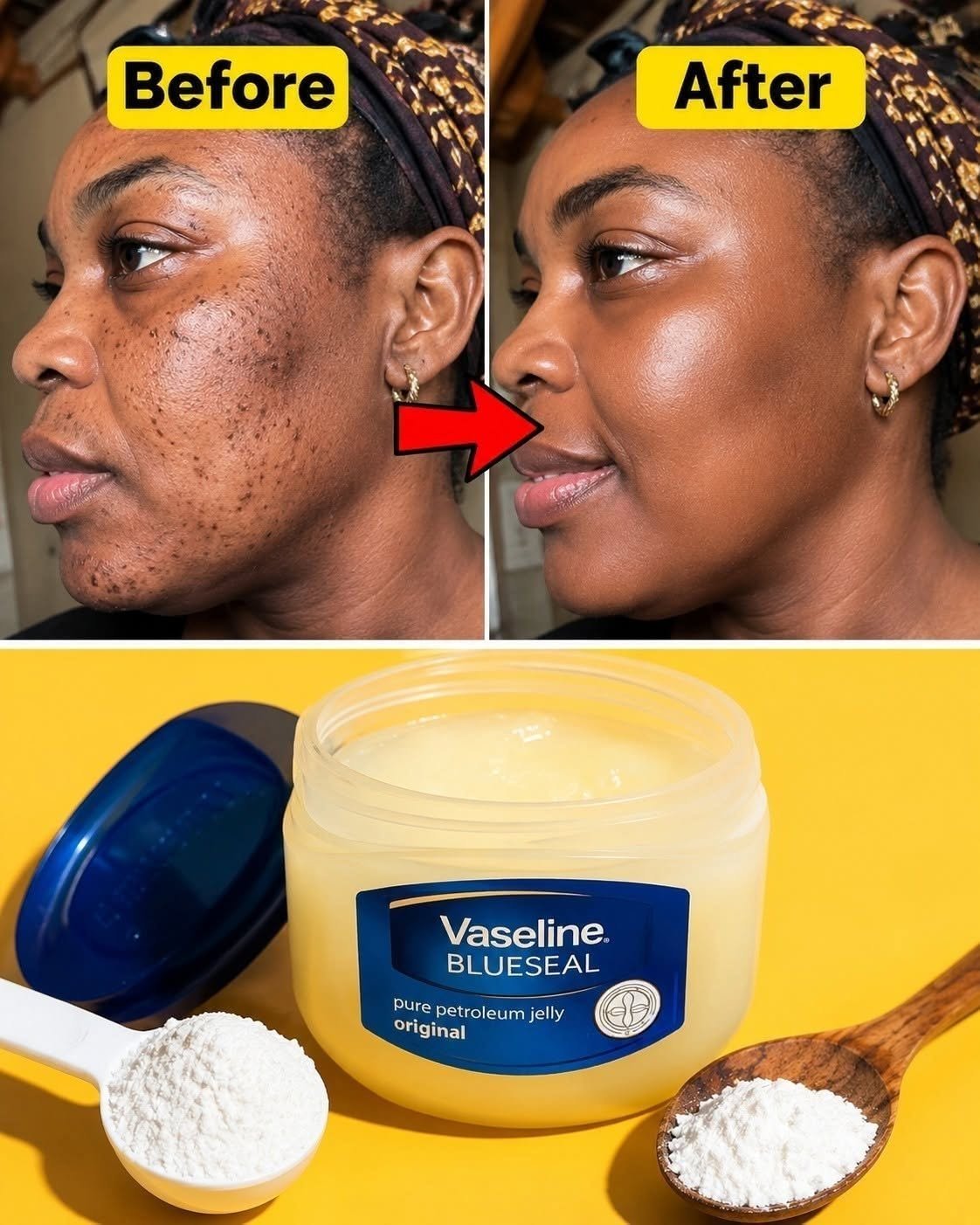
- Dermatosis papulosa nigra (DPN): These are small, smooth, dark brown or black bumps that commonly appear on the cheeks, forehead, and neck. They are more common in people with darker skin tones and may resemble tiny moles or skin tags.
- Seborrheic keratoses: These are generally harmless growths that can look waxy, rough, scaly, or as though they are stuck onto the skin. Their color can range from light tan to dark brown or black.
Because some skin cancers can resemble harmless growths, do not assume a new or changing bump is a skin tag based on appearance alone.
2. Potential Causes and Risk Factors for Skin Tags
The exact reason skin tags develop is not fully understood. However, they are more common in areas where skin repeatedly rubs against skin, jewelry, or clothing.
Factors associated with a greater likelihood of developing skin tags include:
- Skin friction, especially around the neck, underarms, and groin
- Pregnancy and hormonal changes
- Being overweight or having loose skin folds
- Insulin resistance and metabolic syndrome
- A family history of skin tags
Skin tags are usually harmless. However, a sudden increase in the number of growths is worth discussing with a healthcare professional, particularly if you have other health concerns.
3. Dermatologist-Performed Skin Tag Removal Treatments
If a dermatologist confirms that a growth is a skin tag and you want it removed, several in-office procedures may be available. The best option depends on its size, location, appearance, and your skin type.
Cryotherapy
The dermatologist applies liquid nitrogen to freeze the growth. The treated tissue may blister or form a scab before the skin tag falls away.
Snip or Surgical Excision
After cleaning and, when appropriate, numbing the area, the clinician uses sterile medical scissors or a blade to remove the skin tag. A product or technique may be used to control bleeding.
Electrosurgery
A medical device uses electrical energy to destroy the skin tag. This method may be suitable for certain growths, depending on their size and location.
These procedures can cause temporary discomfort, pigment changes, infection, or scarring. People with darker skin may have a greater risk of noticeable light or dark marks after certain destructive treatments, so treatment should be chosen carefully.
Do not cut, tie off, burn, freeze, or apply wart-removal products to an unidentified growth at home. These approaches can injure the skin, cause bleeding or infection, and delay diagnosis of a growth that needs medical attention.
4. How Petroleum Jelly Can Help After Professional Removal
Although petroleum jelly does not remove skin tags, it can be useful during wound recovery after certain dermatological procedures.
If your dermatologist recommends it, basic aftercare may include:
- Clean the area gently. Follow the clinician’s instructions for washing the treated skin with mild soap and water.
- Apply a thin layer of petroleum jelly. This helps keep the wound moist and prevents it from drying out and forming a thick scab.
- Protect the area. Use a clean, non-stick bandage if your clinician recommends one.
- Change the dressing as directed. Keep the area clean and avoid picking at any scab or healing skin.
- Follow your clinician’s instructions. Some procedures require different care, especially if stitches or special dressings are used.
Contact your healthcare provider if you notice increasing redness, warmth, swelling, worsening pain, pus, or a fever.
5. When Should You Have a Skin Growth Checked?
Arrange a medical evaluation if a growth:
- Changes in size, shape, or color
- Bleeds without an obvious reason
- Becomes painful, itchy, crusted, or irritated
- Develops suddenly or looks different from your other skin growths
- Does not heal or continues to change
A dermatologist can determine whether the growth is a skin tag or another condition and recommend an appropriate treatment.
Frequently Asked Questions
Can petroleum jelly remove skin tags?
No. Petroleum jelly moisturizes and protects the skin, but it does not dissolve or remove skin tags.
Can I use Vaseline on a skin tag?
You can use petroleum jelly on surrounding dry or irritated skin if it does not cause irritation. However, it will not make the skin tag disappear.
Is it safe to cut off a skin tag at home?
No. Cutting a growth yourself can cause bleeding, infection, and scarring. It may also be dangerous if the growth is not actually a skin tag.
Do skin tags grow back after removal?
A removed skin tag generally does not grow back in exactly the same spot, but new skin tags can develop in other areas.
Are all dark skin bumps skin tags?
No. DPN, seborrheic keratoses, moles, warts, and other growths can look similar. A healthcare professional should evaluate an uncertain or changing lesion.
Final Thoughts
Petroleum jelly can play a helpful role in skin care, especially when protecting a minor wound after a dermatologist-approved procedure. However, it is not a skin tag removal treatment.
Before trying to remove any unusual bump, get the growth properly identified. Professional evaluation helps reduce the risk of unnecessary injury, scarring, infection, and delayed diagnosis.
Medical Disclaimer: This article is for educational purposes only and is not a substitute for professional medical advice, diagnosis, or treatment. Consult a qualified healthcare professional or dermatologist about any new, changing, painful, or bleeding skin growth.