Guava Leaves for Oral Care: 3 Traditional Ways to Use Them Safely 🌿🦷
Guava Leaves for Oral Care: 3 Traditional Ways to Use Them Safely 🌿🦷
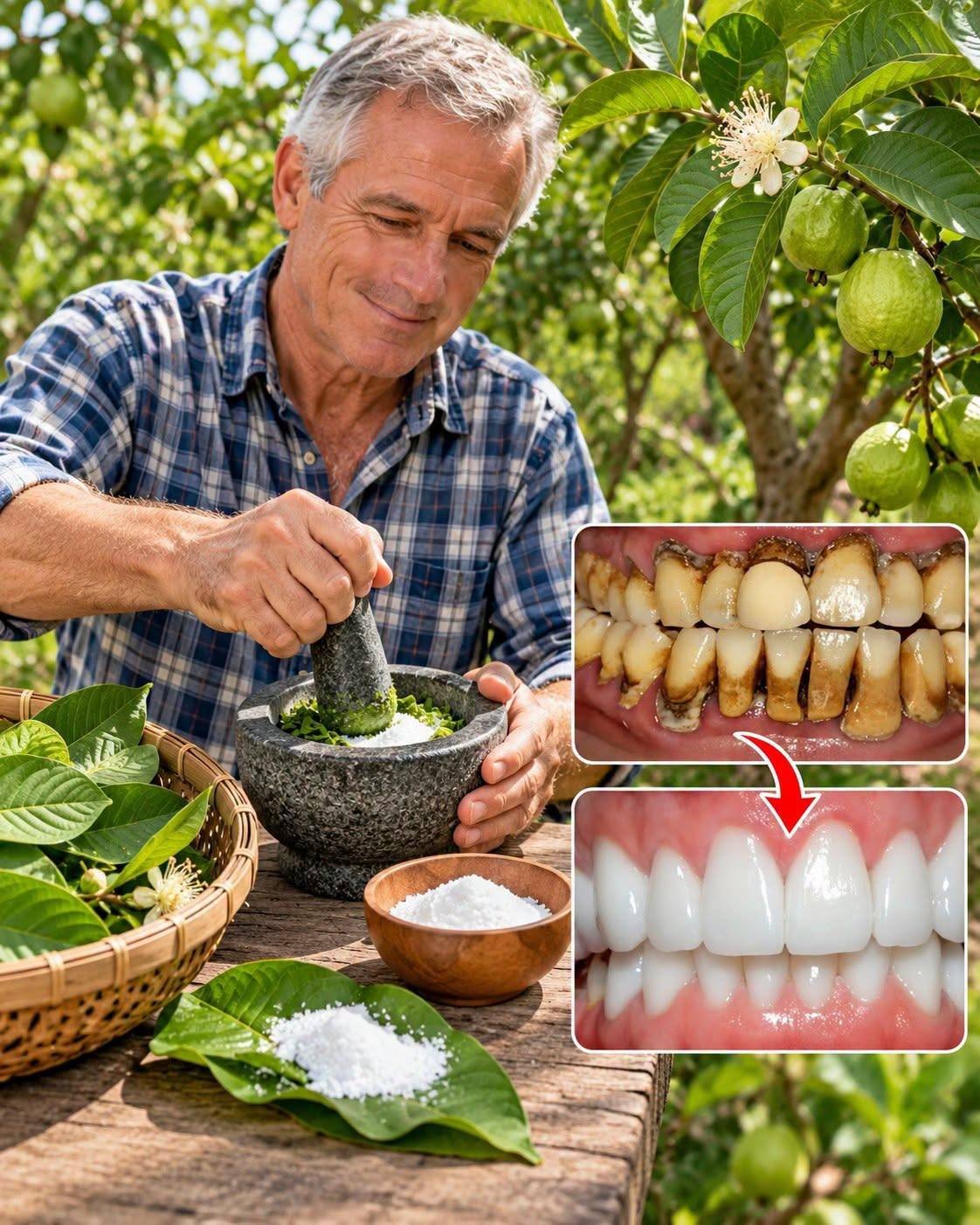
You may see social media posts claiming that guava leaves can “remove cavities” or restore damaged teeth. That goes too far. A cavity is permanent damage to the tooth structure and usually requires professional dental care. Guava leaves cannot rebuild a decayed tooth.
However, when used carefully, guava leaves may be an interesting supportive addition to a normal oral-hygiene routine. Here are three simple traditional approaches.
1. Chewing Fresh Guava Leaves
One of the oldest methods is also the simplest.
Choose 2–3 young, healthy guava leaves, wash them thoroughly under clean running water, and chew them gently for a short time before discarding them. Do not swallow large pieces of the leaves.
Guava leaves naturally contain tannins and flavonoids. Laboratory research has investigated these compounds for their activity against certain microorganisms, although this does not mean chewing the leaves can treat dental decay.
The main benefit of this traditional practice may simply be providing a fresh sensation in the mouth while stimulating saliva production.
A useful reminder
Chewing guava leaves should never replace brushing with fluoride toothpaste, flossing, or regular dental examinations.
If chewing the leaves irritates your mouth or gums, discontinue use.
2. Homemade Guava Leaf Mouth Rinse 🌿
Another gentle way to use guava leaves is to prepare a simple herbal rinse.
Ingredients
- 5–7 clean guava leaves
- 1 cup of water
Preparation
Wash the leaves thoroughly. Place them in the water and simmer for approximately 10 minutes.
Remove from the heat, strain the liquid, and allow it to cool completely.
Use a small amount to rinse your mouth and then spit it out rather than swallowing it.
This preparation has traditionally been used to freshen the mouth and soothe minor gum discomfort.
It is important to remember that homemade preparations are not standardized or sterile. Prepare only a small quantity, keep everything clean, and discard the mixture if its appearance, smell, or taste changes.
3. Guava Leaves and Salt: Use With Extra Care
A traditional recipe sometimes combines crushed guava leaves with a small amount of salt.
Fresh, thoroughly washed leaves can be crushed with a little clean water until they form a soft paste. If salt is included, use only a very small amount.
Rather than scrubbing the teeth vigorously, apply the mixture gently and rinse afterward.
Why the caution?
Salt crystals and other coarse homemade mixtures can be abrasive when rubbed repeatedly against tooth enamel or sensitive gums. More pressure does not mean better cleaning.
For routine plaque removal, a soft toothbrush and fluoride toothpaste remain much more appropriate.
Can Guava Leaves Actually Treat Tooth Decay?
This is the most important distinction.
Guava leaves contain interesting plant compounds, and researchers have studied guava-leaf preparations for their possible antimicrobial and oral-health properties. But this is very different from proving that the leaves can reverse an established cavity.
Early enamel changes can sometimes be managed professionally with fluoride and improved oral hygiene, but once decay has created a physical cavity, home remedies cannot simply make the missing tooth structure grow back.
A dentist can determine how deep the decay is and whether treatment such as fluoride therapy, a filling, or another procedure is necessary.
What About Toothache?
A home rinse may temporarily make the mouth feel fresher or more comfortable, but persistent tooth pain deserves attention.
Toothache can have several causes, including decay, a cracked tooth, gum disease, or infection. Masking discomfort without addressing its cause may allow the problem to progress.
Seek dental care promptly if you experience severe or persistent pain, facial or gum swelling, pus, fever, difficulty swallowing, or a broken or visibly decayed tooth.
The Best Way to Include Guava Leaves in an Oral-Care Routine
Think of guava leaves as an optional traditional practice rather than a treatment.
The foundations of protecting your teeth remain much simpler: brush twice daily with fluoride toothpaste, clean between the teeth regularly, limit frequent sugary foods and drinks, and have dental problems assessed rather than relying exclusively on home remedies.
Guava leaves may add an interesting natural element to your routine, but they work best when traditional practices and evidence-based dental care are kept in their proper roles.
Final Thoughts 🌿
Guava leaves have been used traditionally for generations, and their natural plant compounds continue to attract research interest.
Chewing clean leaves, preparing a mild guava-leaf rinse, or carefully using crushed leaves are three traditional approaches people may encounter. None, however, should be presented as a guaranteed cure for cavities or as an alternative to dental treatment.
Healthy teeth are supported by consistent daily care — and when decay or persistent pain appears, a dentist is the right person to identify and treat the underlying problem.