Cloudy Eyes and Red Eyes: What Five Foods Trigger Inside Tired Vision
Byadmin
Cloudy Eyes and Red Eyes: What Five Foods Trigger Inside Tired Vision
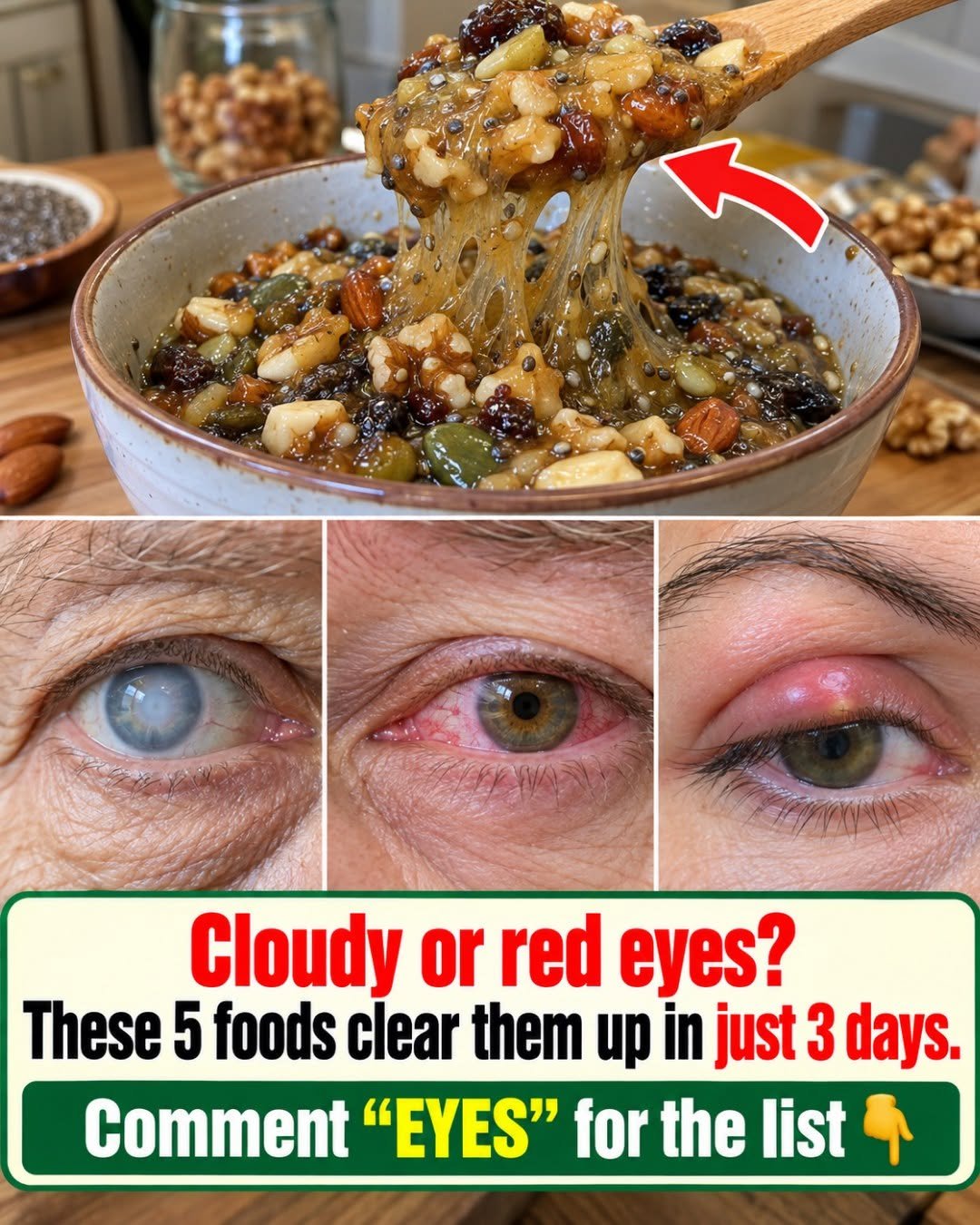
The cloudy film, the bloodshot flare, the gritty feeling that makes you blink twice just to read a text — that is not “just tired eyes.” It’s your eye tissue begging for raw biological fuel, and the five foods in that post are aimed straight at the problem: cloudy eyes, red eyes, irritation, and vision that feels like it’s slipping behind a dirty window.
- By late afternoon, the room looks dimmer than it should. Light stings, tiny print blurs, and your eyes feel swollen from the inside, as if someone packed them with sand and turned the brightness too high.
- What most people never hear is this: the eye isn’t a passive camera. It’s living tissue with a constant demand for molecular brooms, fire-smothering compounds, and the kind of cellular ammunition that keeps the surface smooth and the lens clear.
- The produce aisle, not the pharmacy aisle, is where that reset starts. And the machine that profits from endless drops, endless appointments, and endless “just live with it” advice does not exactly shout about that.
The Cellular Flush Behind Clearer Vision
- Think of the front of your eye like a windshield that gets hit every day by dust, heat, dry air, and screen glare. When the coating on that windshield gets stressed, the glass looks cloudy, the surface burns, and every light source turns into a small attack.
- That’s where leafy greens, colored fruits, citrus, orange vegetables, and fatty fish come in. They don’t perform a magic trick; they flood the system with the exact compounds that help quiet the oxidative grind and keep the eye surface from drying out like cracked paint.
- The first thing people notice is not some dramatic movie-scene transformation. It’s that the eyes stop feeling so raw when the day drags on, and the “heavy” sensation starts losing its grip.
- After a few days of consistency, the background irritation often feels less loud. The screen still exists, the air is still dry, but the body is no longer acting like it’s fighting a small fire behind the eyelids.
- And that’s why nobody told you. Not because it doesn’t work — because it doesn’t pay. Nobody built a Super Bowl ad around spinach, and there’s no logo waiting to be slapped on a carrot.
Why Green Foods Hit the Retina First
- Spinach, kale, chard, and their leafy cousins deliver lutein and zeaxanthin — the pigments that act like a pair of tinted sunglasses built into the eye itself. They help absorb the kind of stress that leaves vision looking washed out and tired.
- Without them, the retina is like a camera sensor left under a harsh floodlight all day. The image still comes through, but it comes through strained, and the strain shows up as that dull, cloudy feeling you can’t quite ignore.
- Picture a woman who wakes up already squinting at the kitchen clock. By noon she’s rubbing her eyes at the computer, and by evening every lamp in the house feels too sharp. Add a plate of greens to that routine, and the body stops operating like it’s running on fumes.
- Over time, the pattern gets clearer: less visual drag, less end-of-day burn, less of that “my eyes are working against me” sensation.
Why the Redness Fades When the Surface Gets Fed
- Red eyes often look like a surface problem, but underneath, the tiny vessels and delicate membranes are reacting to stress, dryness, and poor lubrication. Fatty fish brings omega-3s that help keep those membranes flexible instead of brittle and irritated.
- Think of it like oiling a door hinge that has been shrieking for months. The door still opens, but it stops screaming every time you move it.
- Now picture a man who spends hours under ceiling lights and air conditioning, then wonders why his eyes look inflamed by dinner. The whites of his eyes look angry, the screen glare feels sharper, and he keeps blinking like he can force the problem away.
- When the eye surface gets the right fats, the whole system stops grinding so hard. The redness doesn’t own the day anymore.
The Color Burst That Helps Cloudiness Back Off
- Blueberries, blackberries, strawberries, citrus, carrots, sweet potatoes — this is the color crew that keeps the internal machinery from rusting under pressure. Their antioxidants act like sludge-clearing compounds, sweeping up the chemical debris that piles onto tired tissue.
- Without that support, the eye surface behaves like a glass lens covered in kitchen grease. You can wipe it once, but if the residue keeps building, everything still looks faint, smeared, and wrong.
- That’s why a breakfast bowl with fruit and yogurt, or a lunch plate with orange vegetables and greens, changes more than people expect. It gives the eye a cleaner internal environment to work in.
- And the payoff shows up in ordinary moments: reading a menu without leaning forward, stepping outside without instantly squinting, finishing the day without feeling like your vision has been sanded down.
The Underrated Vitamin That Changes the Whole Picture
- Vitamin A and beta-carotene from carrots, pumpkin, and sweet potatoes are not decoration. They feed the machinery that helps keep the surface of the eye smooth and the visual process steady.
- When that supply runs low, the eye behaves like a lamp with a weak bulb and a dirty cover. It still works, but it throws out a dim, strained version of itself.
- That’s why the old “carrots for eyes” line survived for so long. It was clumsy, but it pointed at a real need: the body uses these compounds to keep vision from falling into that dull, cloudy trap.
- After a while, the difference isn’t just how the eyes look in the mirror. It’s how the whole day feels when your vision stops demanding constant compensation.
Why the System Loves Complexity
- The supplement industry loves to bury this in expensive bottles, but the ugliest truth in health is simple: the cheapest fix gets the least airtime. A grocery cart full of color does not make anyone rich.
- That’s also why the “five foods” message matters. It isn’t about worshipping one miracle item; it’s about feeding the eye from five angles so the whole structure stops acting fragile.
- One plate with greens, one serving of fish, one bright fruit, one citrus hit, one orange vegetable — that combination starts to feel less like a diet and more like a rescue operation for tired vision.
- And once the eye surface stops living in constant emergency mode, the cloudy look and the red flare lose their power to dominate the day.
What Wrecks the Effect Before It Starts
- One common kitchen habit neutralizes this process before it ever reaches your bloodstream: drowning those foods in heavy heat and stripping them of the very compounds you wanted. Overcooked greens, limp fruit eaten only in tiny amounts, and fish replaced by ultra-processed meals turn the whole plan into background noise.
- Keep the colors on the plate. Keep the fats real. Keep the routine steady enough that your eyes stop feeling like they’re being dragged across sandpaper every afternoon.
- The next layer is the pairing most people miss — and it changes how strongly those eye-friendly compounds actually land.
- This article is for informational purposes only and does not replace professional medical advice. Please consult your healthcare provider for personalized guidance.