Give This Common Weed a Fair, Careful Look
Give This Common Weed a Fair, Careful Look
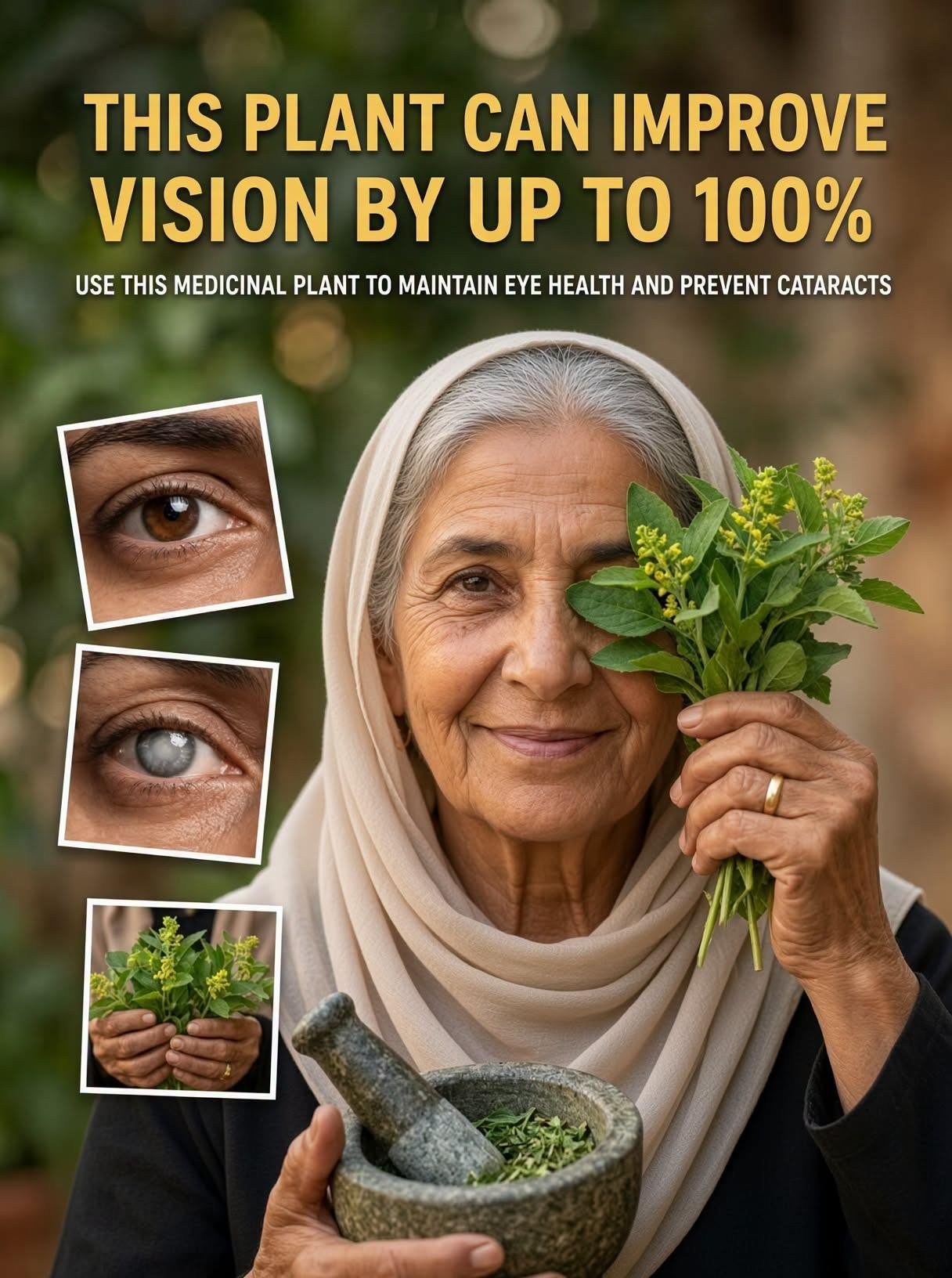
One plant that keeps appearing in those stories is Euphorbia hirta, a small tropical weed known in parts of the world as asthma weed, garden spurge, tawa-tawa, or erva-de-santa-luzia. Its place in folk memory is real. So is the need for caution. The white, milky sap is not a home eye remedy, and this plant does not restore sight.
What Euphorbia hirta actually is
Euphorbia hirta is a low, spreading annual herb. It grows easily in warm, humid places — gardens, field edges, paths, and disturbed soil across parts of Asia, Africa, and the Americas.
You can often recognize it by:
- Oval leaves with fine hairs
- A reddish midrib on the leaf
- Tiny flowers in small clusters
- Pinkish or reddish stems
- A milky white latex when a stem is broken
It rarely grows taller than about 40 cm. In herbal literature it is discussed far more often for cough, asthma-like complaints, digestive upset, and skin traditions than for vision.
Why folk stories linked it to the eyes
In some communities, especially where Portuguese and other local names such as erva-de-santa-luzia circulated, the plant picked up a cultural association with Saint Lucy and with eye comfort. Older accounts sometimes mention tired eyes, mild lid discomfort, or a general wish for a cooling, calming effect.
Those stories are part of cultural history. They are not clinical proof. Records that mention the eyes also tend to stress dilution, external use only, and avoidance of the raw sap. Modern eye reports on Euphorbia latex point the other way: contact can inflame the cornea and deeper parts of the eye. Accidental splashes are treated as injuries, not as therapy.
So the honest reading is simple. The nickname and the folklore are interesting. Putting sap, juice, or crushed plant material in or around the eyes is not.
What traditional and lab notes actually support
Ethnobotanical reviews describe E. hirta mainly for respiratory complaints, diarrhea and dysentery, and some skin uses. Chemistry papers report flavonoids, tannins, and other polyphenols, and lab models have shown antioxidant and anti-inflammatory activity.
That is not the same as an eye treatment. Human trials do not show that this plant improves vision, clears cataracts, or replaces an eye exam. Web-based monographs also note that safety data are limited, that the fresh sap may irritate skin, and that oral use in pregnancy is considered possibly unsafe because of a possible effect on the uterus.
A fair summary:
- Folk use is broad, and eye stories are a smaller cultural thread.
- Lab work on inflammation and antioxidants is preliminary.
- No good evidence supports vision claims.
- The latex is a reason for caution, not a selling point.
Why the plant went viral
Late in 2025, short videos began promising dramatic vision changes, sometimes framed as a near-total improvement. That kind of claim travels fast because eye worry is common and “natural fix” content is easy to share.
It also drifts away from both tradition and evidence. No herb replaces a refraction check, dry-eye care, or treatment for infection, glaucoma, or retinal disease. Viral before-and-after language is a poor guide to a plant whose sap is already known to injure eyes.
Gentler ways to ease everyday eye fatigue
If the goal is ordinary screen tiredness, the habits with the clearest track record are simple:
- Follow the 20-20-20 idea: every 20 minutes, look at something about 6 meters away for about 20 seconds.
- Blink more often, and consider a humidifier if the room is dry.
- Keep screens a little below eye level and reduce glare.
- Use preservative-free lubricating drops only if an eye-care professional suggests them.
- See an optometrist or ophthalmologist for pain, light sensitivity, sudden blur, discharge, or a shadow in the vision.
Curiosity about old plant names can sit beside those habits. It does not need to replace them.
If you are only learning the plant
For general interest, correct identification matters, and wild plants may carry roadside dust or pesticides. Handle broken stems carefully so the latex does not reach eyes, mouth, or broken skin. People who are pregnant, breastfeeding, or prone to skin reactions should not experiment with it. Anyone considering an oral herbal product should ask a qualified clinician first — evidence for dosing and long-term safety is thin.
Bottom line
Euphorbia hirta is more than a roadside weed in the record of traditional medicine. Its calming reputation in folk culture, including a few eye-related stories, explains the curiosity. It does not promise better sight, and its milky sap does not belong anywhere near the eyes. Everyday comfort still comes from rest, blinking, sensible screen habits, and professional care when something feels wrong.
FAQ
Is Euphorbia hirta safe for everyone?
Not necessarily. Fresh latex can irritate skin and is unsafe in the eyes. Oral use is poorly studied and is considered possibly unsafe in pregnancy and breastfeeding. Stomach upset has also been reported with internal use.
Can it permanently improve vision?
No. There is no good clinical evidence that it treats or restores sight. Vision changes need an eye exam, not a plant remedy.
Where does it grow?
It is a common tropical and subtropical weed. Foraging still requires correct identification and clean sourcing. Do not use roadside plants on skin or as tea.
Why do some posts call it an eye herb?
Mainly because of folk names and older external-use stories, especially around erva-de-santa-luzia. Those posts often skip the medical reports of Euphorbia sap causing keratouveitis and similar injuries.
Important note: This article is general information, not medical advice. Do not put plant sap, juices, or pastes in or around the eyes. Ask a qualified health professional before using any medicinal plant, especially if you are pregnant, nursing, or already under care for an eye or skin condition.