Exploring the Popular Clove and Olive Oil Remedy for Skin Tags and Warts: What to Know for Safety
Exploring the Popular Clove and Olive Oil Remedy for Skin Tags and Warts: What to Know for Safety
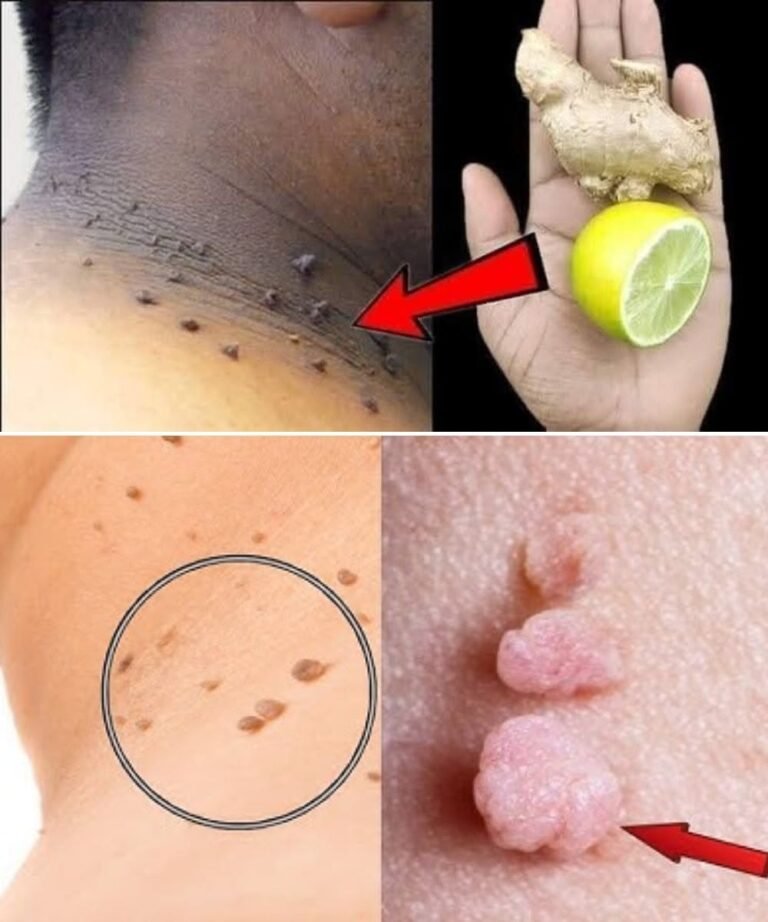
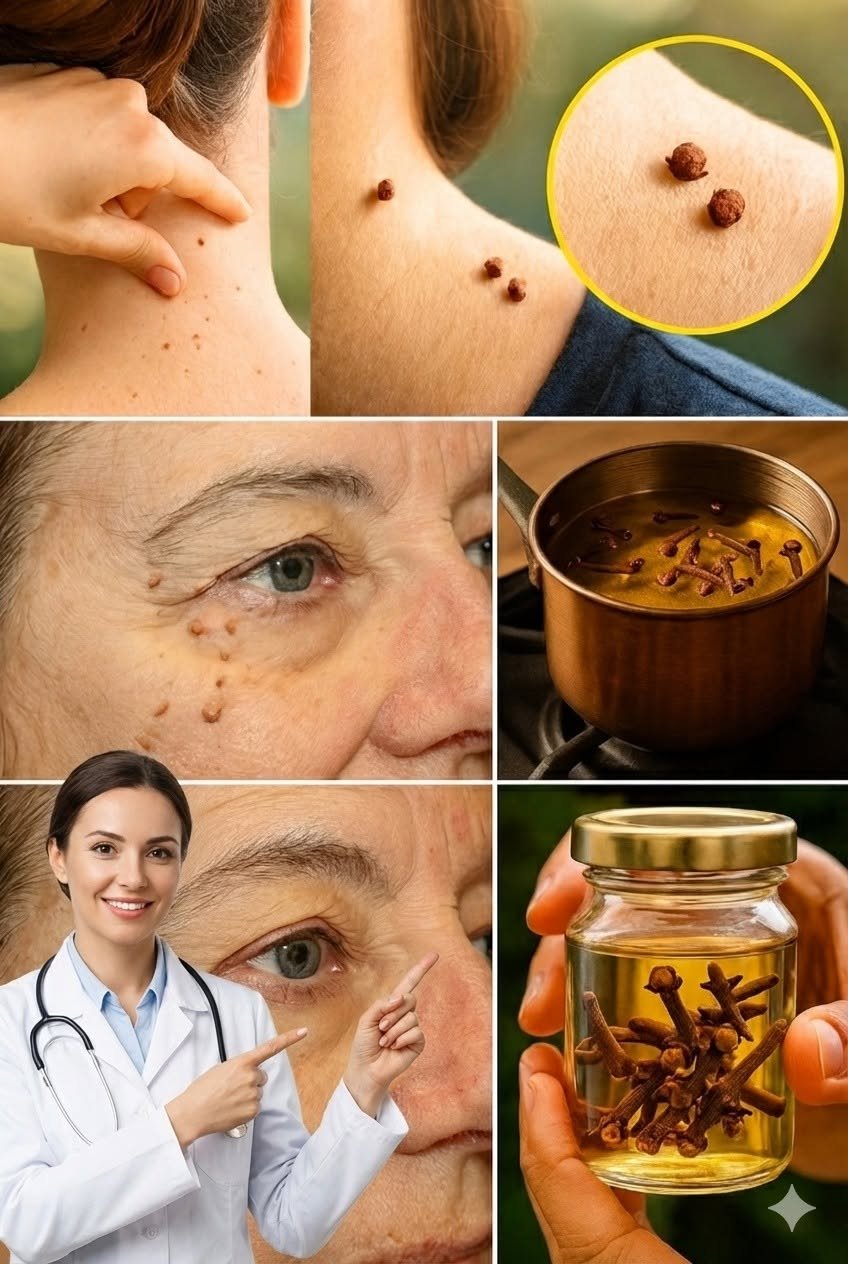
Skin tags (small, benign flesh-colored growths) and warts (viral infections from HPV causing rough bumps) are common and usually harmless. Many people look for home remedies to manage them, including a viral method using cloves mixed with olive oil—often claimed to “remove them overnight.”
While cloves have antimicrobial properties (from eugenol) and some limited studies suggest potential for warts, there’s no strong scientific evidence this mix safely or effectively removes skin tags or warts quickly. Overnight results are unrealistic, and home attempts carry risks like irritation or infection.
Here’s a balanced look at the remedy, realistic expectations, and safer alternatives.
Understanding Skin Tags vs. Warts
- Skin Tags: Soft, non-viral growths from friction or genetics. Common on neck, armpits, eyelids.
- Warts: Caused by HPV virus; contagious and rough-textured. Often on hands, feet, or face.
Always have a doctor confirm—don’t self-diagnose, as some growths could be something else.
Promoted Content


The Clove and Olive Oil Remedy: How It’s Done (and Why Caution Is Key)
The popular method involves:
- Crushing whole cloves or using clove oil.
- Mixing with olive oil (as a carrier to dilute).
- Applying to the growth, covering overnight.
Clove’s eugenol offers antiseptic and numbing effects in lab tests, and one small older study explored herbal mixes (including clove in olive oil) for warts. Anecdotal reports claim drying/shrinking over days to weeks.
But:
- No robust evidence for skin tags.
- “Overnight” removal is a myth—changes take time, if any.
- Undiluted or prolonged use risks burns, allergic reactions, or scarring.
- Olive oil moisturizes but doesn’t enhance removal.
Medical experts (dermatologists via AAD, Cleveland Clinic) advise against DIY removal due to complications.
Potential Risks of Home Removal
| Risk | Why It Happens | Common with Cloves/Oil? |
|---|---|---|
| Skin Irritation/Burns | Potent compounds overwhelm skin | High (eugenol strong) |
| Infection | Open wounds from picking/irritation | Possible if growth bleeds |
| Scarring | Inflammation or improper healing | Yes, especially sensitive areas |
| Bleeding | If tag has blood supply | Rare but possible |
| Misdiagnosis | Confusing with moles/cancer | Always a concern |
Sensitive areas (eyes, genitals) or large/multiple growths? Avoid home methods entirely.
Safer Professional Options
Dermatologists recommend these quick, low-risk procedures:
Promoted Content
- Cryotherapy: Freezing with liquid nitrogen.
- Snip/Excision: Cutting with sterile tools (numbed).
- Electrocautery: Burning off precisely.
- Ligation: Tying off base (for tags).
Often covered if medically necessary; cosmetic otherwise affordable.
If You Still Want to Try Natural Approaches
Patch-test first. Use sparingly. Stop if redness/swelling.
Alternatives with slightly more anecdotal support:
- Tea tree oil (diluted).
- Apple cider vinegar (diluted).
- Over-the-counter salicylic acid (for warts).
But evidence is limited—professional care is best.
Frequently Asked Questions
Does it really work overnight?
No—any changes take weeks, and results vary widely.
Promoted Content
Is clove oil better than whole cloves?
Oil is concentrated (higher risk); whole crushed cloves milder but still potent.
What if nothing happens?
See a dermatologist—persistent growths need evaluation.
Final Thoughts
The clove-olive oil mix is a traditional remedy with some intriguing properties, but it’s not a safe or proven “overnight” solution for skin tags or warts. Risks often outweigh unproven benefits.
For peace of mind and best results, consult a dermatologist—they can diagnose accurately and remove safely in one visit.
Disclaimer: This is informational only and not medical advice. Home remedies do not replace professional care. See a healthcare provider for any skin growth concerns, especially if changing, bleeding, or painful. Individual results vary; improper use can cause harm.