How One Bad Tooth Can Trigger Chronic Inflammation Throughout Your Body
How One Bad Tooth Can Trigger Chronic Inflammation Throughout Your Body
Most people think of a tooth problem as something local – a cavity, a bit of pain, maybe some swelling. But what many don’t realize is that a single infected tooth can quietly trigger chronic inflammation across the entire body. Over time, this low-grade inflammation may contribute to fatigue, joint pain, heart issues, immune problems, and more.
So how can something as small as one tooth affect your whole system? Let’s break it down.
The Mouth–Body Connection: More Powerful Than You Think
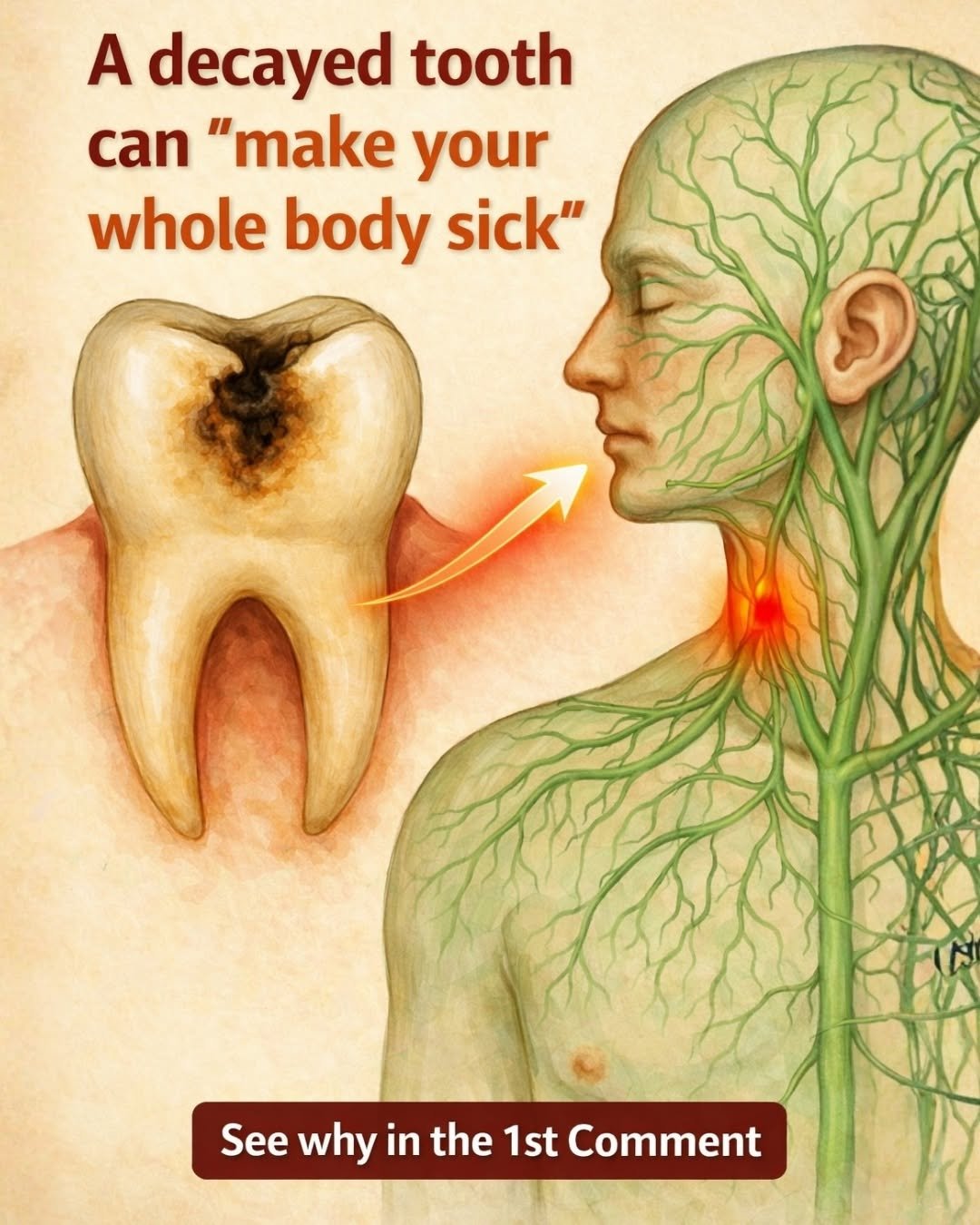
Your mouth is not separate from the rest of your body. It is a direct gateway to your bloodstream, lymphatic system, and immune network. When bacteria build up in an infected tooth or gum pocket, they don’t just stay there.
They can:
Enter the bloodstream
Travel through lymphatic channels
Trigger immune responses in distant organs
This is why dentists and doctors increasingly talk about oral-systemic health – the deep connection between dental health and overall health.
What Happens When a Tooth Becomes Infected?
When a tooth develops deep decay, an abscess, or dies (necrotic pulp), several things happen:
Bacteria multiply inside the tooth
Toxins are released into surrounding tissues
The immune system responds with inflammation
If not treated, bacteria and inflammatory signals spread
The body may not always produce sharp pain. In many cases, the infection becomes chronic and silent, slowly stressing the immune system day after day.
Chronic Inflammation: The Hidden Chain Reaction
Chronic inflammation is not the same as acute inflammation. Acute inflammation is short-term and protective. Chronic inflammation is low-grade, persistent, and damaging.
A single infected tooth can act as a constant trigger, keeping the immune system in “alert mode.” Over time, this may contribute to:
Joint and muscle pain
Chronic fatigue
Brain fog
Skin issues
Digestive problems
Weakened immunity
In people already vulnerable, it may worsen conditions such as arthritis, cardiovascular disease, and autoimmune disorders.
How Oral Bacteria Affect the Whole Body
Research has shown that bacteria from the mouth can be found in:
Arterial plaques
Heart tissue
Brain tissue
Joints
Lungs
Common oral bacteria like Porphyromonas gingivalis have been linked to:
Heart disease
Stroke risk
Alzheimer’s disease
Diabetes complications
This doesn’t mean a bad tooth directly “causes” these diseases, but it can be a significant contributing factor by maintaining a chronic inflammatory state.
Root Canals, Hidden Infections, and “Dead Teeth”
One controversial topic is the idea of hidden infections in root canal–treated teeth. A root canal removes the nerve, but the tooth itself remains. Some practitioners believe that microscopic bacteria can remain in the tiny tubules of the tooth, continuing to release toxins.
While mainstream dentistry considers root canals safe, holistic and biological dentists often view chronically infected or dead teeth as potential interference fields that disturb the body’s energy and immune balance.
This is an area of ongoing debate, but many patients report improvements in systemic symptoms after addressing long-standing dental infections.
Signs That a Tooth May Be Affecting Your Whole Body
Not everyone feels tooth pain. Watch for:
Repeated infections or slow healing
Swollen lymph nodes in the neck or jaw
Bad taste or odor in the mouth
Chronic sinus issues on one side
Unexplained fatigue
Persistent inflammation markers in blood tests
Sometimes the body “adapts” to a chronic dental infection, masking symptoms while still being affected.
The Role of the Lymphatic System
The lymphatic system is your body’s drainage and detox network. The face, jaw, and neck are rich in lymph vessels and nodes. When a tooth is infected, lymph congestion can occur, leading to:
Facial puffiness
Neck stiffness
Recurrent throat issues
General toxin buildup
This further contributes to systemic inflammation.
Why Ignoring Dental Problems Is Risky
Many people delay dental care because:
The pain comes and goes
They fear dental procedures
They don’t see the connection to overall health
But chronic dental infections rarely resolve on their own. They often become deeper, more complex, and more impactful over time.
What starts as a small cavity can evolve into a long-term inflammatory burden on the body.
Supporting Oral and Systemic Health Together
While professional dental care is essential, daily habits also matter:
Proper brushing and flossing
Cleaning the tongue
Avoiding excessive sugar and processed foods
Supporting the gut and immune system
Staying hydrated to support lymph flow
Some people also use natural support like herbal mouth rinses, oil pulling, and anti-inflammatory diets, but these should complement, not replace, proper diagnosis and treatment.
The Bigger Picture: Your Body Is One System
The idea that “it’s just a tooth” is outdated. Your body works as an integrated whole. Chronic inflammation rarely has a single cause, but an infected tooth can be one of the hidden pieces of the puzzle.
If you are dealing with unexplained health issues, recurring inflammation, or low energy, it is worth looking at oral health as part of the bigger picture.
Sometimes, healing begins in places we least expect – even in a single tooth.