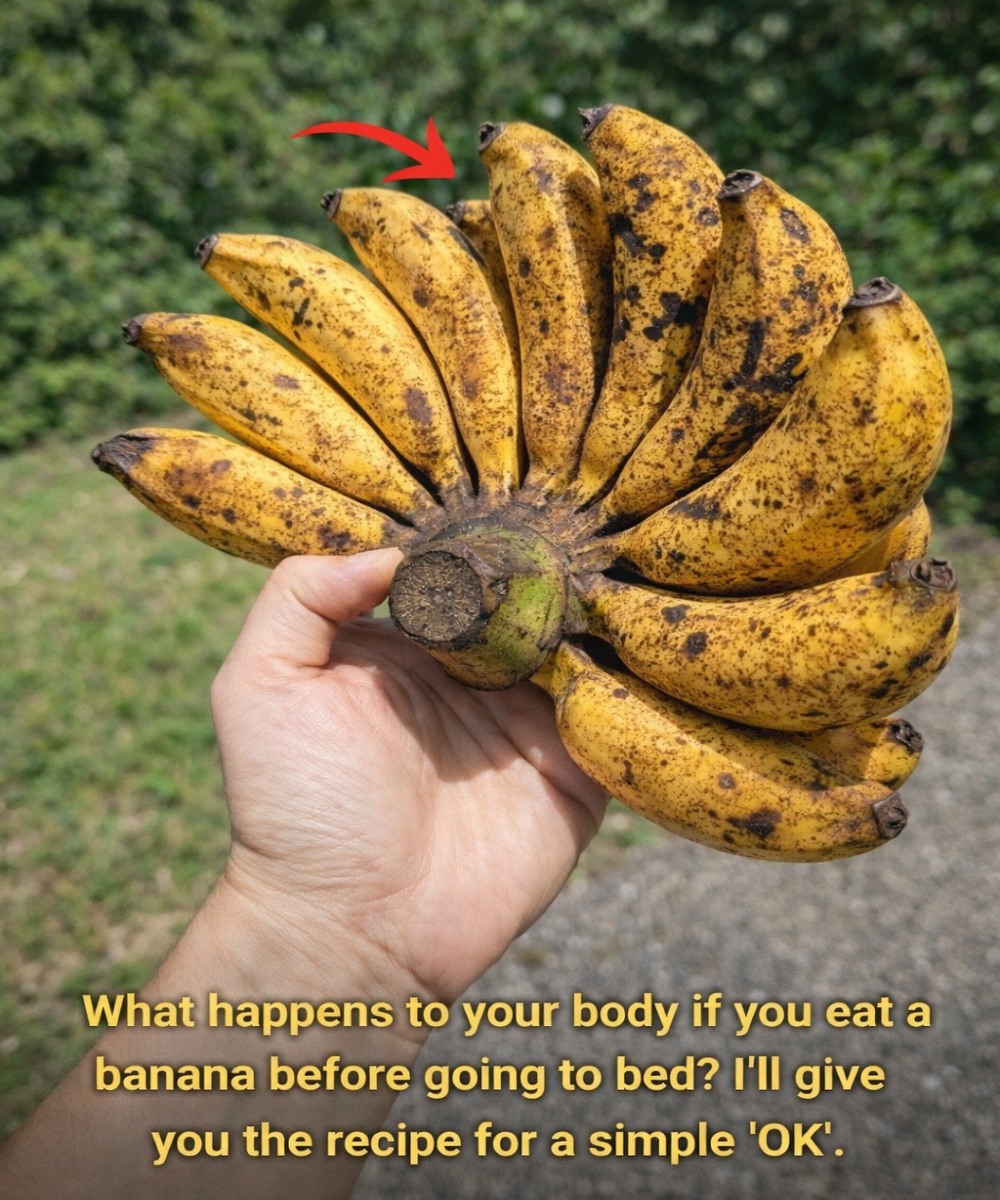
Tossing and turning night after night, staring at the ceiling while precious sleep slips away, can leave you exhausted, irritable, and struggling to get through the day ahead. This constant battle with restless evenings doesn’t just drain your energy—it affects your focus, mood, and even your long-term health, turning simple daily tasks into major challenges. But what if one small, natural change to your evening routine could gently support better rest without any complicated steps or expensive supplements? That’s exactly where eating a banana before bed comes in, and the surprising effects it may have on your sleep and relaxation could be the easy solution you’ve been hoping for—keep reading to uncover why this everyday fruit might just transform your nights.
The Science Behind Bananas and Better Sleep
But first, let’s talk about why sleep feels so elusive these days. Modern life, with its screens, stress, and busy schedules, often leaves our bodies wired and our minds racing when bedtime rolls around. Research suggests that certain nutrients play a key role in helping the body wind down naturally. And bananas happen to be packed with several of them.
Here’s where it gets interesting. A single medium banana delivers a powerful mix of compounds that work together to promote relaxation. According to nutrition experts and studies on sleep-supporting foods, these nutrients may help your body transition into rest mode more smoothly.
Key Nutrients in Bananas That Support Relaxation
Bananas aren’t just a sweet snack—they’re like a natural sleep aid in fruit form. Consider these standout components:
- Magnesium: About 34 mg per medium banana (roughly 8% of your daily needs). This mineral helps calm the nervous system and relax muscles, which can reduce that tense, restless feeling many people experience at night.
- Potassium: Around 450 mg in one banana. It supports muscle function and may help prevent nighttime cramps or discomfort that disrupts sleep.
- Tryptophan: An essential amino acid that your body converts into serotonin (for better mood and calm) and then melatonin (the hormone that signals it’s time to sleep).
- Vitamin B6: Helps your body make the most of that tryptophan, boosting the production of those sleep-friendly hormones.
- Natural Carbohydrates: Provide just enough energy to aid the tryptophan process without weighing you down.
Studies, including a 2024 review in the Asia Pacific Journal of Clinical Nutrition, have explored how tryptophan-rich foods like bananas consumed at bedtime may improve sleep parameters for people dealing with occasional insomnia. While more research is always welcome, the nutrient profile makes a strong case for why this simple habit deserves a spot in your routine.
How Eating a Banana Before Bed May Promote Deeper Rest
And that’s not all. The way these nutrients interact creates a gentle chain reaction in your body. After a long day, your muscles might feel tight and your mind restless. The magnesium and potassium in bananas work to ease that physical tension, helping you feel more at ease as you settle in.
But the real magic happens with tryptophan. Your body uses the carbs in the banana to release insulin, which helps clear other amino acids from your bloodstream. This allows more tryptophan to reach your brain, where it can be turned into serotonin and melatonin. The result? A natural boost to your sleep signals without any artificial ingredients.
Satisfaction without the heaviness is another big win here. Unlike heavy snacks that might sit in your stomach or spike blood sugar too much, a banana offers light, easy-to-digest carbs and fiber. This makes it ideal if you feel a bit hungry before bed but don’t want anything that could keep you awake.
Research from sources like Healthline and Verywell Health backs this up, noting that the combination of these elements may support better sleep quality for many people. Of course, results can vary from person to person, but the evidence points to real potential.
Other Surprising Benefits Beyond Better Sleep
Here’s the part that often surprises people the most. Eating a banana before bed isn’t just about sleep—it can quietly support other aspects of your evening well-being too.
For starters, the potassium may help keep blood pressure in a healthy range overnight, contributing to overall calm. The fiber content aids gentle digestion, so you’re less likely to wake up feeling bloated or uncomfortable. And because bananas can provide a subtle mood lift through serotonin support, you might wake up feeling more positive and refreshed.
Many people also report fewer muscle cramps or restless legs when they include this habit, thanks to the mineral balance. It’s a small change, but one that adds up in ways you might not expect right away.
Actionable Tips: How to Make This Habit Work for You
Ready to give it a try? The good news is that incorporating a banana before bed couldn’t be simpler. Here are five practical steps to get started and maximize the potential benefits:
- Choose the right banana: Opt for a ripe (but not overly soft) banana about 30 to 60 minutes before your usual bedtime. The natural sugars are more bioavailable this way.
- Keep it simple: Eat it plain, or pair it with a small handful of nuts if you want a touch of healthy fat to slow digestion slightly.
- Stay consistent: Try it for at least two weeks to notice patterns in how you feel. Your body often responds best to routines.
- Pay attention to portion size: One medium banana (around 100 calories) is usually plenty—more than that could add unnecessary calories or sugar.
- Combine with good sleep habits: Dim the lights, avoid screens, and create a calm environment to let the banana’s effects shine.
These small adjustments can turn a basic snack into a powerful part of your wind-down ritual.
Potential Considerations and When to Be Cautious
But wait—balance is key with any food, even something as wholesome as bananas. While most people tolerate them well, those with certain conditions should check in with their healthcare provider first. For example, if you have diabetes, the natural sugars may affect blood glucose levels, so monitoring is wise.
Allergies to bananas are rare but possible, and eating too many could lead to minor digestive upset or extra calorie intake. The goal is moderation and listening to your body’s signals.
Conclusion: A Small Habit, Big Potential Payoff
In the end, eating a banana before bed offers a straightforward, natural way to support relaxation, muscle calm, and healthier sleep patterns. With its blend of magnesium, potassium, tryptophan, and more, this everyday fruit may deliver surprising benefits that improve how you feel both at night and during the day.
Give it a gentle try and see how your body responds—you might be amazed at how such a simple change can make a real difference.
FAQ
1. Is it better to eat a banana right before bed or earlier in the evening?
Most experts suggest 30 to 60 minutes before bedtime. This timing gives your body enough time to process the nutrients without feeling too full.
2. Can I eat a banana every night before bed?
Yes, for most healthy adults, enjoying one banana nightly in moderation is generally fine and may even support consistent sleep benefits. Just listen to your body and adjust if needed.
3. What if I have blood sugar concerns or diabetes—will a banana before bed cause issues?
Bananas contain natural sugars, so it’s smart to monitor your levels if you have diabetes. Pairing it with a protein source or consulting your doctor can help keep things balanced.
Disclaimer: This article is for informational purposes only and is not intended as medical advice. Individual results may vary, and eating habits should be tailored to your personal health needs. Always consult with a qualified healthcare professional before making significant changes to your diet, especially if you have underlying medical conditions.