
Goodbye Wrinkles and Blemishes: The Homemade Baking Soda Cream That Makes Your Skin Glow!
As we get older, it is completely normal for skin to feel a bit less smooth and radiant than it once did, and many of us find ourselves searching for gentle, affordable ways to refresh our daily care without complicated routines. The constant stream of expensive store-bought options can leave anyone feeling overwhelmed and frustrated when results fall short of expectations. That is exactly why homemade skincare ideas like a simple baking soda and coconut oil cream have caught the attention of so many people looking for natural additions to their regimen. But the real surprise comes later when you see how easy it is to prepare and fit into your evening routine in a way that feels both practical and personal.

Why Homemade Skincare Recipes Like This One Are Trending Right Now
People everywhere are curious about returning to basics in their beauty routines. With rising interest in clean ingredients and budget-friendly options, simple mixtures using pantry staples have become popular topics on social media and wellness blogs. Baking soda, in particular, has been used for generations in various household ways, and some folks enjoy experimenting with it in skincare for its mild texture. Coconut oil adds a rich, moisturizing feel that many find appealing for a creamy consistency. While these ingredients are familiar, the combination creates something you can customize at home.
But here is the thing: not every viral idea works the same for everyone. Skincare is highly personal, and what feels great for one person might need adjustments for another. This is where understanding the basics helps you decide if it fits your lifestyle.
What Makes Baking Soda and Coconut Oil Interesting for a DIY Cream
Baking soda is a fine, alkaline powder that some people appreciate for its gentle physical exfoliating properties when mixed into pastes or creams. Coconut oil, on the other hand, is a solid at room temperature but melts easily, offering a smooth base that many describe as nourishing. Together they form a simple cream-like texture that spreads nicely. Research on natural skincare ingredients shows that people often turn to these for their accessibility and minimal processing.
Of course, it is important to remember that every skin type reacts differently. Studies suggest that maintaining the skin’s natural pH balance matters for comfort, so any new addition deserves a thoughtful approach.
Ingredients You Will Need for This Easy Homemade Cream
Here is a straightforward list of what goes into this popular DIY recipe. These amounts make a small batch you can use right away:
- 1 teaspoon baking soda (food-grade, for purity)
- 1 tablespoon coconut oil (organic, unrefined works well)
- ½ teaspoon raw honey (optional, for extra smoothness)
- 2-3 drops of your favorite essential oil (like lavender or tea tree, if desired – always dilute properly)
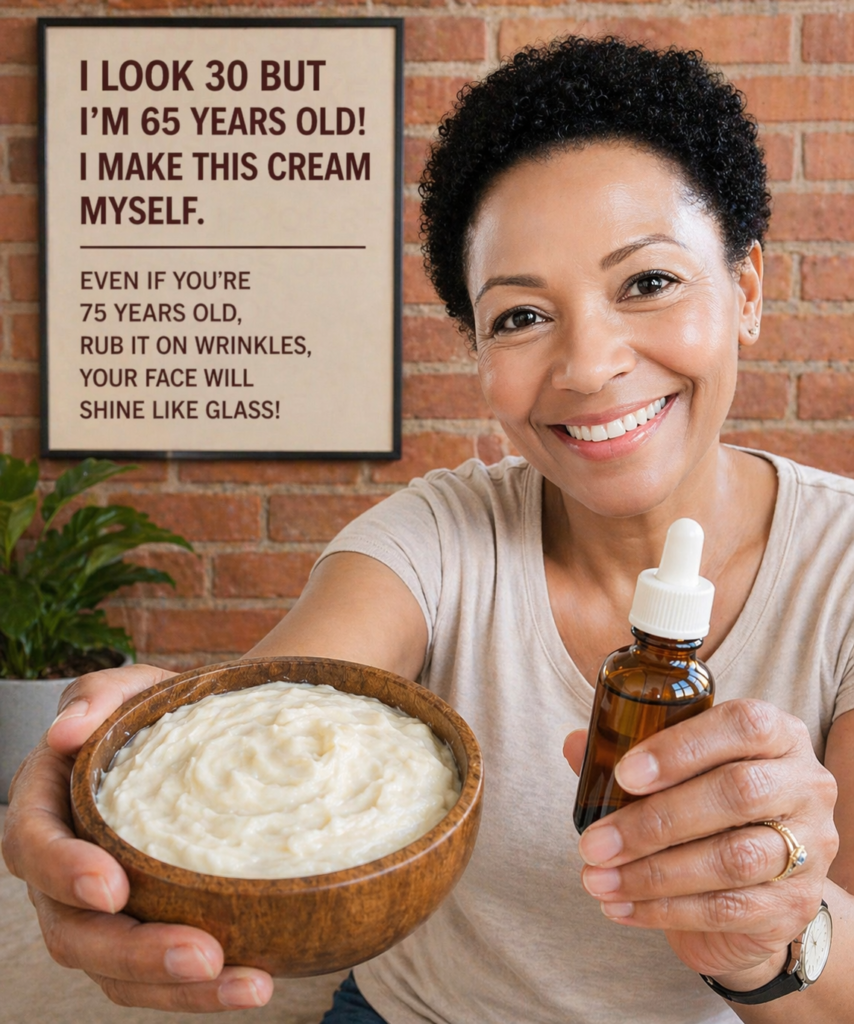
This combination creates the creamy texture shown in many home tutorials. The dropper bottle you might see in photos is usually for adding a small amount of oil or vitamin E for extra customization.
Step-by-Step Guide to Preparing Your Homemade Baking Soda Cream
Making this cream takes just a few minutes in your kitchen. Follow these simple steps exactly as written for the best consistency:
- Start by gently warming the coconut oil in a small bowl if it is solid – room temperature works fine too.
- Add the baking soda to the coconut oil and stir steadily with a spoon until it forms a smooth, thick cream.
- If using honey, mix it in next for a silkier feel.
- Drop in your chosen essential oil and blend thoroughly.
- Transfer the finished cream to a clean, small jar with a lid.
That is it. The entire process takes under five minutes, and you will have a fresh batch ready for use.
But wait – there is more to getting the texture just right. If the mixture feels too thick, you can add a tiny bit more coconut oil. If it seems too runny, a pinch more baking soda helps balance it. Experimenting once or twice lets you find your perfect version.
How to Safely Incorporate This Cream Into Your Evening Routine
The evening hours are a great time to try new skincare steps because your skin can rest overnight. Many people who explore this recipe like to apply a thin layer after cleansing but before their usual moisturizer. A quick reminder: always do a patch test on your inner arm first and wait 24 hours to check for any reaction.
Here are practical tips to make the process enjoyable and mindful:
- Use a small amount – pea-sized is usually plenty for the face.
- Gently massage in upward motions for about one minute.
- Rinse off after 10-15 minutes if you prefer, or leave on briefly if your skin feels comfortable.
- Follow with your regular nighttime moisturizer or serum.
And that is not all. Consistency matters more than quantity. Trying it a couple of times a week instead of every night gives your skin time to adjust.
Potential Considerations and Smart Skincare Practices
Every homemade recipe comes with the need for common-sense care. Baking soda is naturally alkaline, so it pairs best with occasional use rather than daily application for most skin types. Coconut oil can feel rich, which some people love but others with oilier skin might monitor. Skincare experts often recommend listening to your skin and stopping if anything feels off.
For extra guidance, consider keeping a simple journal of how your skin looks and feels after trying new ideas. This small habit helps you make better choices over time.
Comparing Store-Bought vs. Homemade Options
Many readers ask how this DIY version stacks up against commercial creams. Here is a quick comparison to help you think about what fits your needs:
| Aspect | Homemade Baking Soda Cream | Typical Store-Bought Creams |
|---|---|---|
| Cost | Very low (pantry items) | Higher depending on brand |
| Ingredient control | Full control, minimal additives | Pre-formulated with preservatives |
| Customization | Easy to adjust for your preferences | Limited to what is in the jar |
| Shelf life | Best used within 1-2 weeks | Longer due to stabilizers |
| Convenience | Quick to make at home | Ready to use anytime |
This table shows why so many enjoy experimenting with homemade versions while still appreciating ready-made products for busy days.
Extra Tips to Enhance Your Overall Skincare Routine
Beyond the cream itself, small daily habits make a noticeable difference. Staying hydrated, getting enough sleep, and protecting your skin from sun exposure during the day all support a healthy glow. Some people like to pair this cream with a gentle face wash and a lightweight moisturizer for balance.
Here is another useful list of everyday habits that pair well with any new skincare step:
- Drink at least eight glasses of water daily to support skin hydration from within.
- Choose pillowcases made from soft, breathable fabrics to reduce friction overnight.
- Avoid touching your face during the day to keep pores clearer.
- Eat a variety of colorful fruits and vegetables for natural antioxidants.
These little changes add up faster than you might expect.
Final Thoughts on Exploring Homemade Skincare
Trying a simple baking soda and coconut oil cream can be a fun, low-pressure way to add variety to your evening routine. The best part is how easy it feels to make something fresh in your own kitchen with ingredients you probably already have. Remember that the most effective skincare is the one you enjoy and use consistently over time.
Keep experimenting safely, stay curious about what works for your unique skin, and enjoy the process of caring for yourself.