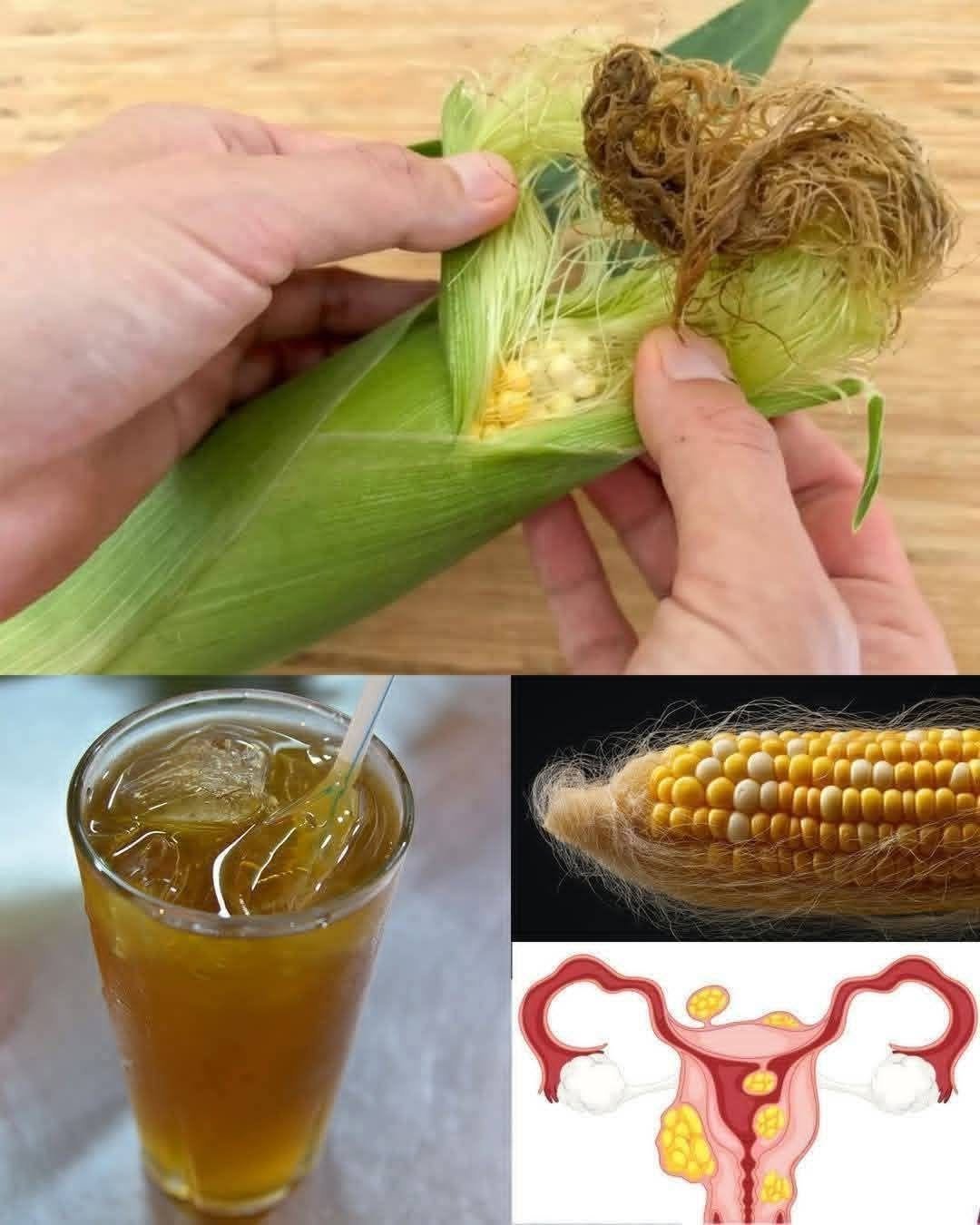
Corn Silk: 30 Impressive Health Benefits and How to Use It Naturally
Your revised version is much more accurate than the original viral claims. It clearly separates traditional use from scientific evidence and avoids making unsupported medical promises. I would make just a few small refinements for accuracy and clarity.
Corn Silk Tea – Facts vs. Viral Claims
1. What Is Corn Silk?
Corn silk is the long, thread-like strands found beneath the husk of an ear of corn. It has been used in traditional herbal medicine for centuries, most commonly as a tea.
It contains:
- Flavonoids and other antioxidant compounds
- Potassium
- Small amounts of vitamins and minerals
- Plant compounds that may have mild diuretic effects
Traditional use: In some cultures, corn silk tea has been used to support urinary comfort and as a mild diuretic. However, high-quality human studies confirming these benefits are limited.
2. Viral Claims vs. What the Evidence Says
| Claim | Evidence | Reality |
|---|---|---|
| Shrinks fibroids or ovarian cysts | No reliable human evidence | No studies show corn silk shrinks fibroids or cysts. |
| “Cleanses” the uterus | No scientific evidence | The uterus does not require cleansing, and no tea has been shown to “detox” it. |
| Supports urinary health | Limited evidence | Traditional use and some laboratory and animal studies suggest mild diuretic effects, but strong clinical evidence is lacking. |
Fibroids require proper medical evaluation, often including pelvic ultrasound. Corn silk tea should not be considered a treatment.
3. Simple Corn Silk Tea Recipe
If you’d like to enjoy corn silk tea as a caffeine-free herbal beverage:
- Use the silk from 1–2 ears of fresh, clean, pesticide-free corn.
- Rinse thoroughly.
- Add to 2 cups (about 500 mL) of water.
- Simmer or gently boil for 10–15 minutes.
- Strain before drinking.
- Optional: Add lemon or honey to taste.
There is no scientifically established dosage, but one cup occasionally is a common traditional practice.
4. Safety Notes
- Use only clean, food-grade corn silk from corn that has not been treated with pesticides.
- Corn silk may have mild diuretic effects and could interact with medications for:
- High blood pressure
- Diabetes
- Blood thinning
- Fluid retention (diuretics)
- If you are pregnant, breastfeeding, have kidney disease, or take prescription medications, consult your healthcare provider before using corn silk regularly.
- Allergic reactions are uncommon but possible, especially in people with corn allergies.
- Corn silk tea is not a treatment for infections, fibroids, kidney disease, or other medical conditions.
5. What Actually Supports Uterine Health
Evidence-based approaches include:
- Regular gynecologic check-ups
- Pelvic ultrasound when symptoms warrant evaluation
- A balanced diet rich in fruits, vegetables, whole grains, and healthy fats
- Regular physical activity and maintaining a healthy weight
- Appropriate medical treatments—including medications or procedures—when recommended by a gynecologist
Bottom Line
Corn silk tea is a traditional herbal beverage that may have mild diuretic and antioxidant properties, but current scientific evidence does not support claims that it shrinks fibroids, treats ovarian cysts, “cleanses” the uterus, or cures reproductive health conditions.
Disclaimer: This information is for educational purposes only and is not medical advice. Corn silk tea has not been proven to diagnose, treat, cure, or prevent fibroids or other diseases. Consult a licensed healthcare professional for personalized medical advice.