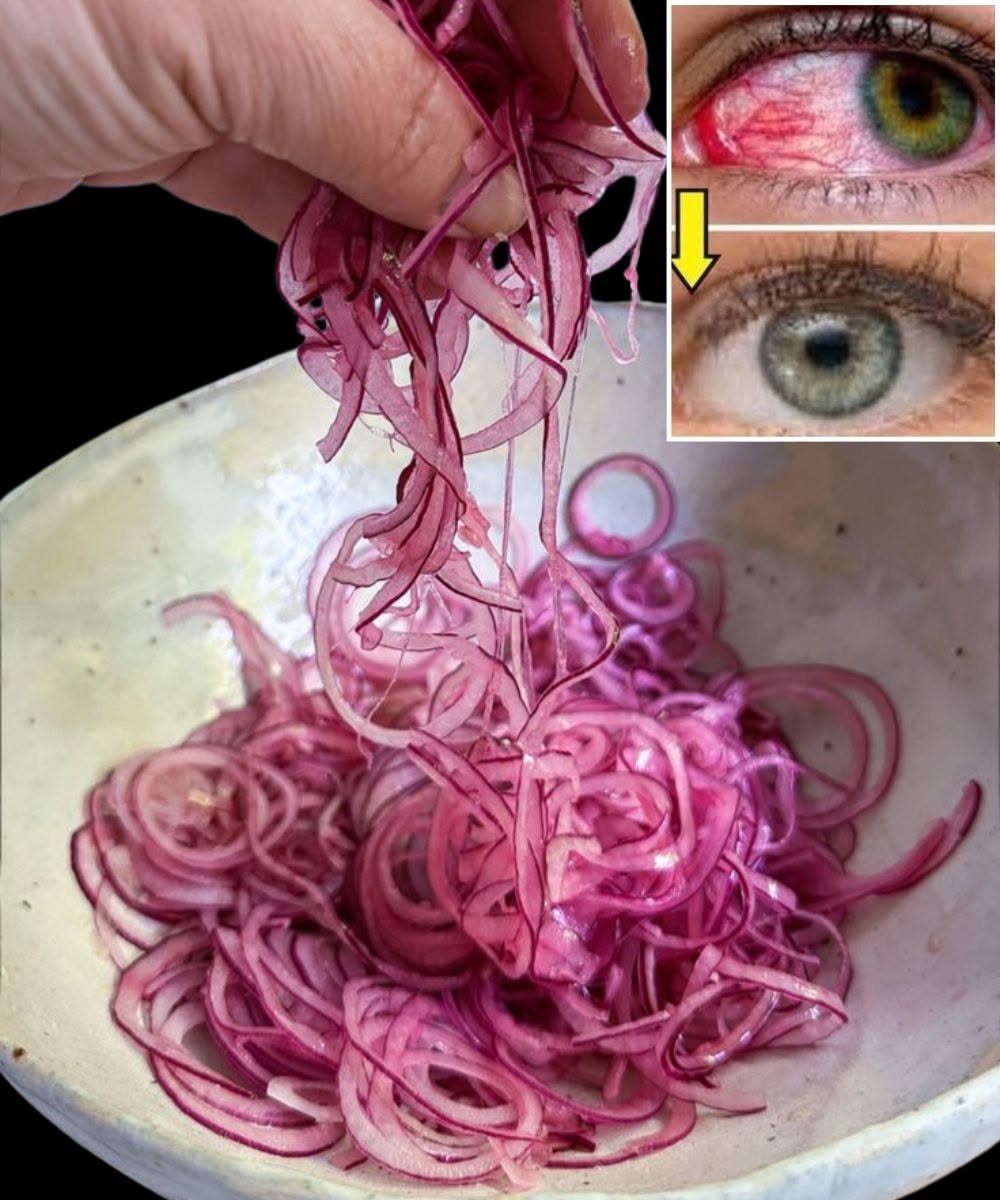
Can Onions Improve Eyesight Naturally in 5 Days? Benefits, Facts, and Eye Care Tips
Can Onions Improve Eyesight Naturally in 5 Days? Benefits, Facts, and Eye Care Tips
Many people are searching for natural ways to improve their eyesight at home. One popular claim suggests that eating onions for five days can improve vision naturally. But is this really true?
Onions are nutritious vegetables that contain antioxidants and beneficial plant compounds. They can be part of a healthy diet that supports overall health, including eye health. However, there is no reliable scientific evidence that eating onions for five days can restore eyesight, eliminate the need for glasses, or reverse vision problems.
In this article, we explore the potential benefits of onions, their relationship with eye health, and practical ways to protect your vision naturally.
1. Are Onions Good for Eye Health?
Onions contain several beneficial nutrients and plant compounds, including quercetin, a type of antioxidant.
Antioxidants help protect cells from damage caused by unstable molecules known as free radicals. Oxidative stress is associated with several age-related health conditions, including some eye diseases.
However, the presence of antioxidants in onions does not mean that onions can directly improve visual sharpness or reverse existing eye damage.
Eating onions as part of a balanced diet may support general health, but they should not be considered a treatment for vision problems.
2. Can Eating Onions Improve Eyesight in Five Days?
There is no good scientific evidence that eating onions for five days improves eyesight.
Vision problems can have different causes, including:
- Nearsightedness and farsightedness
- Astigmatism
- Age-related changes in close-up vision
- Cataracts
- Glaucoma
- Retinal diseases
- Certain nutritional deficiencies
Each condition requires a different approach. For example, refractive errors usually require glasses, contact lenses, or appropriate corrective procedures. Cataracts may require surgery, while glaucoma requires professional treatment to protect vision.
No particular food can reliably correct all these conditions.
3. Nutrients That Help Support Healthy Eyes
Rather than relying on one vegetable, focus on a varied diet that provides essential nutrients.
Vitamin A
Vitamin A is necessary for normal vision, especially in low-light conditions. Deficiency can cause night blindness and, in severe cases, damage to the surface of the eye.
Sources include carrots, sweet potatoes, spinach, eggs, and dairy products.
Vitamin C
Vitamin C is an antioxidant that contributes to normal tissue function and supports the body’s defenses against oxidative damage.
Good sources include oranges, guavas, strawberries, bell peppers, and broccoli.
Vitamin E
Vitamin E helps protect cells from oxidative damage.
Sources include almonds, sunflower seeds, and vegetable oils.
Lutein and Zeaxanthin
These plant pigments are found in the retina and are associated with eye health.
Sources include spinach, kale, and other leafy green vegetables, as well as some eggs.
Omega-3 Fatty Acids
Omega-3 fatty acids play roles in normal cell function and are present in the retina. Fatty fish such as salmon and sardines are useful dietary sources.
A balanced diet provides a range of nutrients that help maintain overall eye health.
4. How to Eat Onions as Part of a Healthy Diet
Onions can be included in everyday meals in several ways:
- Add sliced onions to salads.
- Use onions in vegetable soups and homemade meals.
- Cook onions with beans, lentils, or other vegetables.
- Combine onions with leafy greens and other colorful vegetables.
Raw onions are nutritious, but cooked onions can also be part of a healthy diet.
There is no proven special onion recipe or five-day onion treatment that restores eyesight. Do not put onion juice into your eyes, as it can cause irritation and inflammation.
5. Five Daily Habits That Help Protect Your Vision
Although no food can guarantee perfect eyesight, these habits can help protect your eyes.
Day 1: Eat a Balanced Diet
Include vegetables, fruits, whole grains, healthy fats, and protein in your meals. Onions can be one component of this diet.
Day 2: Take Breaks From Screens
When using a computer or smartphone for long periods, follow the 20-20-20 rule: every 20 minutes, look at something approximately 20 feet away for 20 seconds.
This may help reduce digital eye strain, although it does not correct refractive errors.
Day 3: Get Enough Sleep
Adequate sleep supports general health and can help reduce discomfort associated with tired or dry eyes.
Day 4: Protect Your Eyes From Sunlight
Wear sunglasses that provide 100% UVA and UVB protection when outdoors in strong sunlight.
Day 5: Arrange an Eye Examination
If you have blurry vision, headaches associated with visual tasks, difficulty seeing at night, or other persistent symptoms, arrange an examination with an optometrist or ophthalmologist.
An eye examination can identify problems that diet and home remedies cannot correct.
6. Can Eye Exercises Remove the Need for Glasses?
Eye exercises may help with certain diagnosed problems involving eye coordination or focusing. However, they do not generally reverse nearsightedness, farsightedness, or astigmatism.
If your vision is blurry, an eye examination is the best way to determine the cause and identify appropriate treatment.
Avoid online remedies that promise perfect eyesight within a few days.
7. When Should You Seek Medical Attention?
Arrange an eye examination if you experience persistent blurry vision, difficulty reading, recurring eye discomfort, or gradual changes in your eyesight.
Seek emergency medical care if you experience sudden loss of vision, a sudden shower of new floaters, flashes of light with a curtain-like shadow, or severe eye pain. These can be signs of conditions requiring immediate treatment.
Do not delay professional care while trying dietary remedies.
Frequently Asked Questions
Does eating raw onion improve eyesight?
Onions provide antioxidants and can be part of a healthy diet, but there is no convincing evidence that eating raw onions directly improves visual acuity.
Can onions remove glasses naturally?
No. Eating onions cannot reliably correct refractive errors or eliminate the need for prescription glasses.
How many days does it take for onions to improve vision?
There is no established timeframe because onions have not been proven to improve eyesight directly. Five days of eating onions should not be expected to change visual acuity.
Is onion juice safe for the eyes?
No. Onion juice can irritate or injure the sensitive surface of the eye. Never apply onion juice directly to your eyes.
What is the best natural way to maintain healthy eyesight?
Eat a balanced diet, protect your eyes from excessive sunlight, manage conditions such as diabetes, avoid smoking, and attend regular eye examinations as recommended by your eye-care professional.
Conclusion
Onions are a nutritious vegetable that can contribute to a healthy diet, but the claim that they improve eyesight in five days is not supported by reliable scientific evidence.
The most effective way to protect your vision is to maintain healthy habits, obtain the nutrients your body needs, and seek professional care when vision changes occur.
Remember that natural foods can support general health, but they cannot replace glasses, prescribed treatment, or necessary medical procedures.