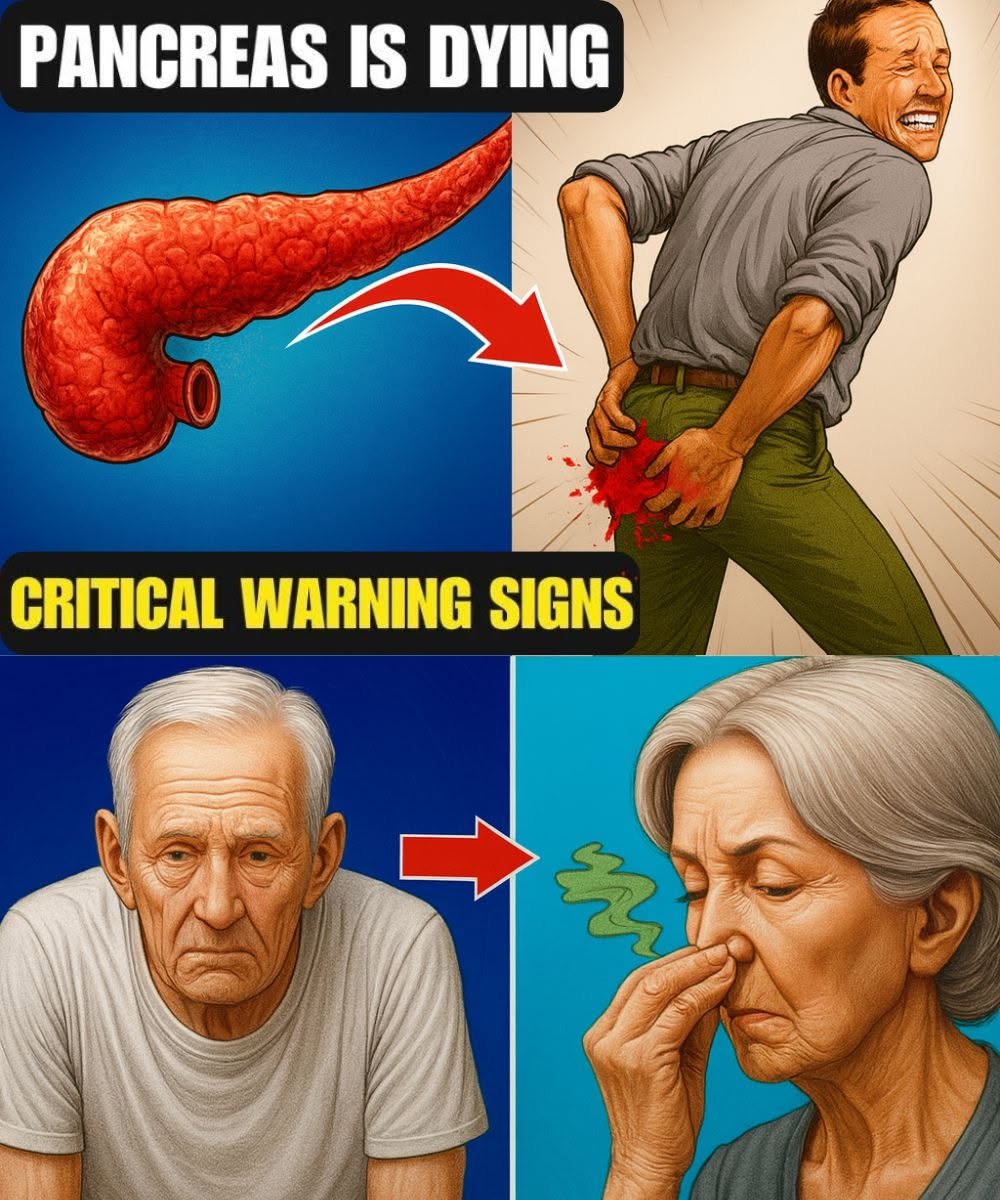
8 Warning Signs of Pancreatic Cancer You Should Never Ignore
8 Warning Signs of Pancreatic Cancer You Should Never Ignore
Pancreatic cancer is a serious disease that can be difficult to detect in its early stages. Many people experience few or no noticeable symptoms at first. However, certain persistent changes in the body may indicate a problem that needs medical attention.
Recognizing the possible warning signs can help people seek medical evaluation sooner. Although these symptoms do not necessarily mean someone has cancer, unexplained or persistent changes should never be ignored.
What Is Pancreatic Cancer?
Pancreatic cancer develops when abnormal cells in the pancreas begin to grow uncontrollably. The pancreas is an organ located behind the stomach that produces digestive enzymes and hormones, including insulin, which helps regulate blood sugar.
The symptoms of pancreatic cancer can vary depending on the location of the tumor and whether the disease has spread.
1. Persistent Abdominal or Back Pain
One possible symptom is persistent pain in the upper abdomen that may spread to the back. Some people notice that the discomfort becomes worse after eating or when lying down.
Abdominal and back pain can have many causes, including digestive disorders, muscle problems, and other medical conditions. However, pain that persists, worsens, or occurs alongside unexplained weight loss should be evaluated by a healthcare professional.
2. Yellowing of the Skin or Eyes
Jaundice is an important warning sign that can occur when pancreatic cancer blocks the bile duct.
Possible symptoms include:
- Yellowing of the skin or whites of the eyes
- Dark-colored urine
- Pale or clay-colored stools
- Persistent itching
Jaundice can also result from gallstones, liver disease, and other conditions. New jaundice requires urgent medical assessment.
3. Unexplained Weight Loss
Losing weight without changing your diet or exercise routine can be concerning, particularly when the weight loss continues over time.
Pancreatic cancer may affect digestion, appetite, and the body’s ability to process nutrients. Nevertheless, unexplained weight loss can also result from thyroid disorders, diabetes, digestive conditions, and other illnesses.
If you are losing weight without a clear reason, arrange a medical evaluation.
4. Persistent Fatigue and Weakness
Feeling unusually tired despite getting adequate sleep can occur with many health conditions.
In people with pancreatic cancer, fatigue may be related to changes in metabolism, poor nutrition, pain, or the body’s response to illness.
Fatigue alone is not a reliable indicator of cancer. However, persistent exhaustion accompanied by other unexplained symptoms should be discussed with a healthcare professional.
5. Nausea, Vomiting, and Digestive Problems
Some people with pancreatic cancer experience nausea, vomiting, indigestion, or a feeling of fullness after eating small amounts of food.
These symptoms may occur when a tumor affects nearby digestive structures or interferes with normal digestion.
Because digestive problems are common, their presence does not automatically suggest cancer. Seek medical advice if symptoms persist, worsen, or interfere with eating and drinking.
6. Changes in Bowel Movements
Pancreatic problems can interfere with the production or delivery of digestive enzymes. As a result, some people may develop stools that are pale, greasy, unusually foul-smelling, or difficult to flush.
These changes may indicate that the body is not absorbing fats properly.
Similar symptoms can occur with several other digestive and liver conditions. Persistent changes in stool color or consistency should be evaluated, especially when accompanied by jaundice or weight loss.
7. Persistent Bloating or Abdominal Discomfort
Ongoing bloating, gas, indigestion, or abdominal discomfort can have many causes, including food intolerances, constipation, and gastrointestinal disorders.
Although these symptoms are not specific to pancreatic cancer, new and persistent digestive changes deserve attention, particularly when several symptoms occur together.
Keeping track of when symptoms begin, how often they occur, and whether they are getting worse may help your healthcare professional assess the problem.
8. Newly Diagnosed Diabetes or Unexpected Blood Sugar Changes
The pancreas produces insulin, a hormone that helps control blood glucose levels.
Pancreatic cancer can sometimes affect insulin production and contribute to the development of diabetes. In some cases, newly diagnosed diabetes in an older adult, particularly when accompanied by unexplained weight loss, may warrant further investigation.
However, diabetes is common and is usually not caused by pancreatic cancer. Blood sugar changes alone cannot diagnose the disease.
Who May Have a Higher Risk of Pancreatic Cancer?
Several factors are associated with an increased risk of pancreatic cancer, including:
- Older age
- Smoking
- A family history of pancreatic cancer
- Certain inherited genetic conditions
- Chronic pancreatitis
- Obesity
- Diabetes, particularly in certain clinical circumstances
Having one or more risk factors does not mean a person will develop pancreatic cancer. Some people diagnosed with the disease have no obvious risk factors.
When Should You See a Doctor?
Do not ignore symptoms that are persistent, unexplained, or progressively worsening.
Seek urgent medical assessment if you develop yellowing of the eyes or skin. Severe abdominal pain, repeated vomiting, or signs of serious illness may require emergency care.
Your doctor may recommend blood tests, imaging studies such as a CT scan or MRI, and other investigations depending on your symptoms and medical history.
There is no single symptom or blood test that can independently confirm or exclude pancreatic cancer in every situation.
Can Pancreatic Cancer Be Prevented?
There is no guaranteed way to prevent pancreatic cancer. However, certain lifestyle choices can improve overall health and may reduce some risk factors.
Consider the following measures:
- Avoid smoking.
- Maintain a healthy weight.
- Eat a balanced diet rich in vegetables, fruits, and whole grains.
- Stay physically active.
- Limit alcohol consumption to reduce the risk of pancreatitis and other alcohol-related conditions.
- Discuss significant family history of pancreatic cancer with a healthcare professional.
People at increased inherited risk may benefit from specialist genetic counseling and individualized surveillance recommendations.
Final Thoughts
Pancreatic cancer can be difficult to recognize early because its initial symptoms may be mild or resemble common digestive problems.
Persistent abdominal or back pain, unexplained weight loss, jaundice, changes in bowel movements, and newly developed diabetes can have many causes, but they deserve appropriate medical attention when unexplained or accompanied by other concerning symptoms.