
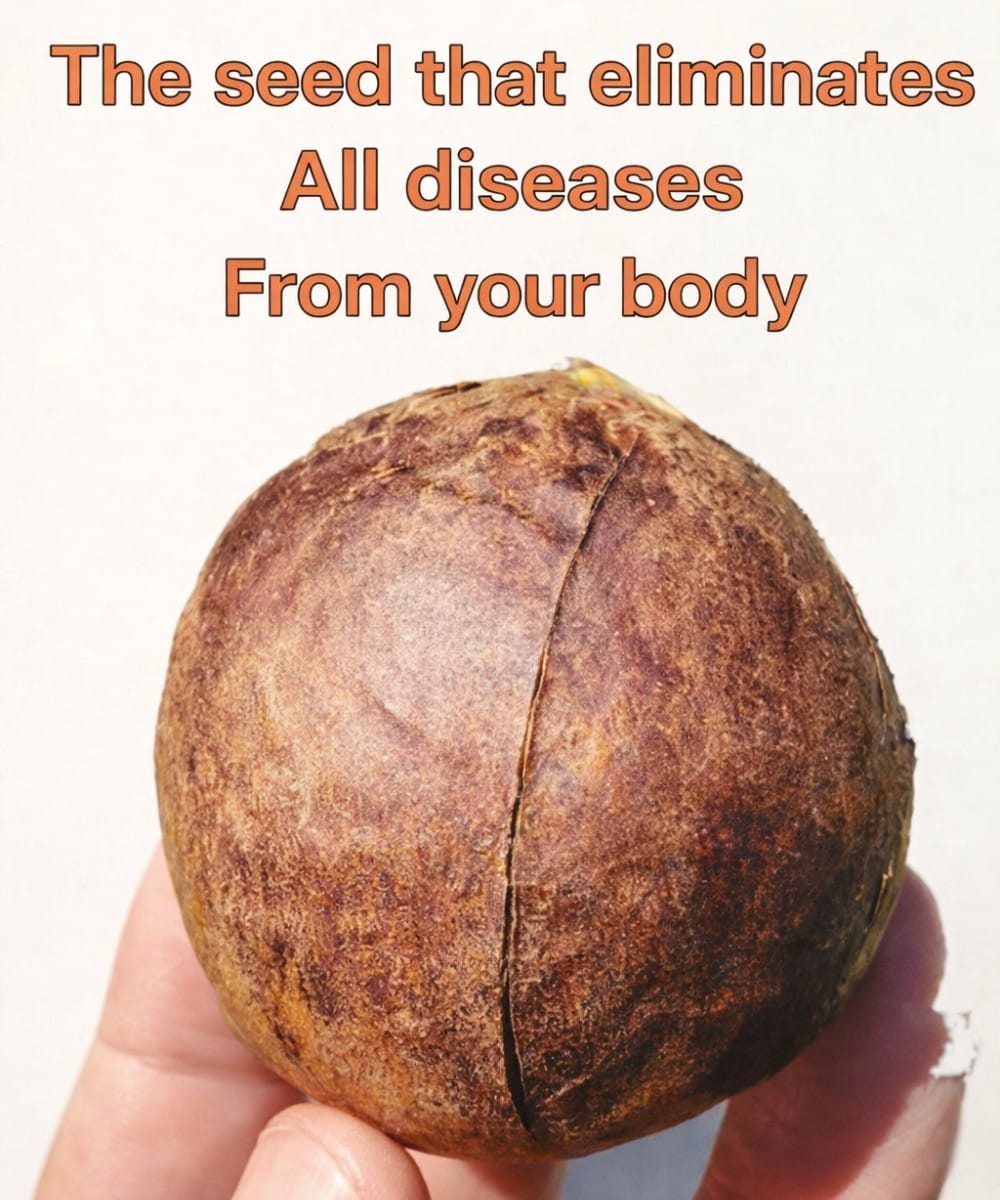
Every time you scoop out that creamy green avocado flesh for guacamole or toast, you’re likely tossing the large seed straight into the trash without a second thought. It’s easy to overlook this hard pit as just waste, but that simple habit means missing out on a part of the fruit packed with concentrated nutrients and bioactive compounds. The truth is, many people feel frustrated discarding something that could support better health, especially when natural wellness options seem hard to find these days. But here’s the exciting part: emerging research suggests the avocado seed may offer unique properties worth exploring—stay with me until the end, where I’ll share safe ways to incorporate it that could surprise you.
What Is an Avocado Seed?
The avocado seed, often called the pit, is the large brown core at the heart of the fruit. While the fleshy part gets all the attention for its healthy fats, the seed makes up a significant portion and holds a dense concentration of plant compounds.
In some traditional cultures, these seeds have been used for centuries in remedies. Today, scientists are taking a closer look, with studies highlighting its rich profile of antioxidants and other bioactives. Research published in journals like Food Chemistry has noted that avocado seeds contain high levels of polyphenols and flavonoids—compounds also found in berries and green tea.
But that’s not all… these elements are present in higher concentrations in the seed compared to the pulp in some cases.
Nutritional Properties of Avocado Seeds
Avocado seeds aren’t just empty shells—they’re loaded with beneficial components that contribute to overall wellness.
Studies, including reviews in PMC and ScienceDirect, show they are particularly rich in:
- Antioxidants like polyphenols and flavonoids, which help combat oxidative stress
- Dietary fiber, supporting gut regularity and fullness
- Healthy plant compounds, including phenolic acids with potential anti-inflammatory effects
- Minerals such as potassium and magnesium
In fact, one analysis found that up to 70% of the avocado’s total antioxidants may reside in the seed. This makes it a concentrated source compared to the flesh.
Here’s a quick comparison of key nutrients (based on general research findings):
| Component | Avocado Flesh | Avocado Seed |
|---|---|---|
| Antioxidants (polyphenols) | Moderate levels | High concentration (up to 70% of total) |
| Dietary Fiber | Good source | Even higher per gram |
| Bioactive Compounds | Healthy fats prominent | More phenolic and flavonoid focus |
The reality is, while the flesh shines for healthy fats, the seed steps up with fiber and antioxidants that may support long-term health.
Potential Health Benefits of Avocado Seeds
Research on avocado seeds is promising, mostly from lab and animal studies, showing potential in several areas. Here’s what studies suggest:
1. Supports Digestive Health
High fiber content in seeds can promote smooth digestion. Preliminary findings indicate it may help maintain regular bowel movements and nurture a balanced gut environment.
Ground seed powder, used sparingly, has been explored in traditional practices for natural digestive support.
2. Strong Antioxidant Support
Antioxidants in the seed, like flavonoids, help neutralize free radicals. Lab studies show these compounds may protect cells from oxidative damage, contributing to overall vitality.
This could play a role in supporting immune function and healthy aging over time.
3. Anti-Inflammatory Properties
Chronic inflammation affects many aspects of health. Compounds in avocado seeds have shown anti-inflammatory effects in cell studies, potentially easing discomfort related to daily wear and tear.
Penn State research on seed extracts highlighted promising results in reducing inflammation markers.
4. Contributes to Heart Health
Fiber and antioxidants may help maintain healthy cholesterol levels and circulation. Animal studies suggest seed extracts could support cardiovascular wellness by protecting against oxidative stress.
5. Boosts Immune Defenses
With antimicrobial and antioxidant properties, seeds may aid the body’s natural resistance. Some research points to effects against certain bacteria.
And for the mind? The antioxidant profile might indirectly support brain health by reducing oxidative stress, though more human studies are needed.
The interesting part is how these benefits tie into everyday wellness—keep reading for practical tips.
How to Consume Avocado Seeds Safely
Never eat the seed raw or whole—it’s hard and not digestible. Proper preparation is key for safety.
Here are popular, cautious methods backed by common practices:
Making Avocado Seed Powder (Step-by-Step)
- Wash the seed thoroughly and remove any flesh residue.
- Dry it completely (air-dry or bake at low heat until brittle).
- Peel off the thin outer skin if possible.
- Grate or grind into a fine powder using a blender or grinder.
- Start with small amounts—½ teaspoon per day max.
Add to smoothies, yogurt, or oatmeal for a nutrient boost.
Preparing Avocado Seed Tea
- Chop a dried seed into pieces.
- Boil in water for 10-15 minutes.
- Strain and enjoy cooled, in moderation (1 cup occasionally).
This traditional method extracts compounds gently.
Topical Uses
Mix powder with oil for a natural exfoliating scrub—great for skin glow.
Important Precautions and Safety Notes
While promising, human research on consuming avocado seeds is limited—most benefits come from extracts in studies.
- Use only small amounts to avoid digestive upset from high fiber.
- Avoid if pregnant, breastfeeding, or on medications without professional advice.
- Seeds contain natural compounds; excess could cause issues.
- They’re not a substitute for medical care.
Start slow and listen to your body.
Final Thoughts
Avocado seeds offer an intriguing way to reduce waste while exploring natural nutrient sources rich in antioxidants and fiber. When prepared properly and used sparingly, they could complement a balanced wellness routine.
The “secret” I promised? Combining seed powder in a daily smoothie might just become your new go-to for that extra edge—many find it surprisingly easy and rewarding.
FAQ
1. Are avocado seeds safe to eat?
Research on extracts is positive, but whole seed consumption lacks extensive human studies. Prepare properly and use sparingly for best safety.
2. How much avocado seed should I consume?
Start with ½ teaspoon of powder or one occasional tea. Moderation is crucial due to limited data.
3. Can avocado seeds help with weight loss?
Fiber may promote fullness, and animal studies suggest metabolic support, but no direct human proof—pair with diet and exercise.
Disclaimer: This article is for informational purposes only and not medical advice. Avocado seeds are not proven treatments for any condition. Consult a healthcare professional before adding them to your routine, especially if you have health concerns. Always prioritize evidence-based sources and whole foods like avocado flesh for proven benefits.