A Simple 2-Minute Rice Water Rinse to Refresh Your Daily Oral Care Routine
A Simple 2-Minute Rice Water Rinse to Refresh Your Daily Oral Care Routine
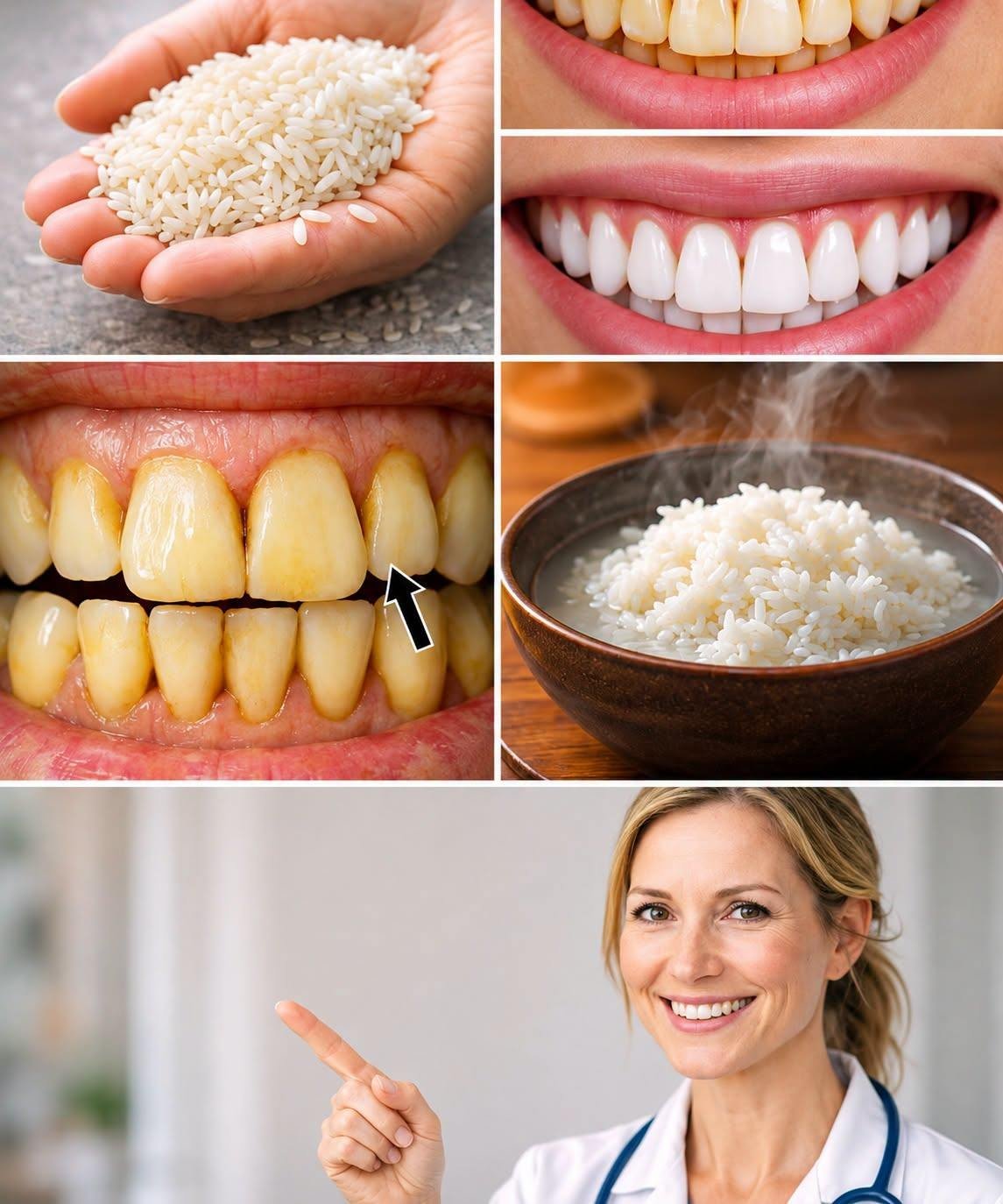
While it’s not a replacement for fluoride toothpaste or professional dental cleanings, using fresh rice water as a quick 2-minute rinse is an easy, budget-friendly way to leave your mouth feeling clean, refreshed, and cared for.
Why People Love Rice Water in Natural Self-Care
Rice water may look humble, but it contains a variety of naturally occurring nutrients that make it popular in gentle beauty and wellness routines:
Vitamins & Minerals: Contains trace amounts of B vitamins, magnesium, and antioxidants.
Soothing Properties: Naturally gentle and mild, making it comfortable for routine rinsing without harsh synthetic fragrances or alcohol.
Zero-Waste & Budget-Friendly: Repurposes something you would normally pour down the drain while cooking dinner.
How to Try a 2-Minute Rice Water Rinse at Home
If you’d like to add this traditional kitchen staple to your self-care routine, keep it simple and gentle.
What You’ll Need:
½ cup of uncooked white or brown rice (organic if available)
1 cup of clean, filtered water
Optional: A tiny pinch of fine sea salt for a classic saltwater-style rinse
Step-by-Step Instructions:
Rinse the Rice: Place the uncooked rice in a clean bowl with the water. Swirl gently for about 30 seconds until the water turns milky, then strain the liquid into a clean glass.
Add Salt (Optional): Stir in a small pinch of sea salt until dissolved if you enjoy a soothing saltwater rinse.
Swish or Gently Brush: Dip a soft-bristled toothbrush into the rice water and gently brush over your teeth for 1 to 2 minutes, or simply swish the liquid around your mouth like a mild mouthwash.
Rinse Well: Follow up with plain lukewarm water so no starchy residue remains on your teeth.
Frequency: Enjoy this ritual 2 to 3 times a week alongside your normal oral hygiene routine.
Key Perks of Adding Rice Water to Your Routine
Leaves Your Mouth Feeling Clean: Helps rinse away surface food particles after meals.
Gentle on Gums: A mild, alcohol-free option that feels soothing compared to strong commercial mouthwashes.
Supports Fresh Breath: Rinsing regularly helps keep your mouth feeling fresh throughout the day.
Eco-Friendly Habit: Reduces kitchen waste by giving everyday cooking water a second purpose.
Helpful Tips & Safety Reminders
To keep your teeth and enamel healthy, keep these common-sense guidelines in mind:
Always Rinse With Plain Water Afterward: Rice water contains natural starches, so rinsing thoroughly with clean water afterward ensures nothing lingers on your teeth.
Complement, Don’t Replace: Continue brushing twice daily with your regular dentist-recommended toothpaste and flossing every day.
Go Easy on Salt: If you add sea salt, keep it to a small pinch and avoid scrubbing aggressively, which can wear down tooth enamel over time.
Use It Fresh: Prepare a small batch fresh each time, or store leftovers in the refrigerator for up to 24 hours.
Keep Up With Dental Visits: Hardened tartar buildup and deep stains require professional care—nothing beats regular checkups with your dentist.
Sometimes the best self-care habits are the simplest ones. With a handful of rice and two spare minutes, you can turn an everyday kitchen byproduct into a gentle, refreshing addition to your daily routine.
Disclaimer: This article is for general lifestyle and informational purposes only and is not intended as dental or medical advice. Always consult your dentist if you experience tooth sensitivity, gum discomfort, or other oral health concerns.