Unripe Plantain Is NOT Just Food: What Does It Really Do for Your Body?
Unripe Plantain Is NOT Just Food: What Does It Really Do for Your Body?
Unripe plantain is more than a staple food. Discover its potential benefits for digestion, blood sugar, cholesterol, and overall wellness—and what the evidence really says.
When you hear unripe plantain, you may simply think of a green fruit that is boiled, fried, roasted, or added to traditional meals.
But did you know that some people prepare unripe plantain in different forms because they believe it may support several areas of health?
It has traditionally been associated with:
- Stomach and digestive health
- Healthy blood sugar levels
- Cholesterol management
- Heart health
- Sexual wellness
- Overall nutrition
This has led to an important question:
Does unripe plantain really work?
Is it safe for everyone?
And what is the best way to include it in your diet?
Let’s take a closer look at what makes this green fruit so interesting.
What Is Unripe Plantain?
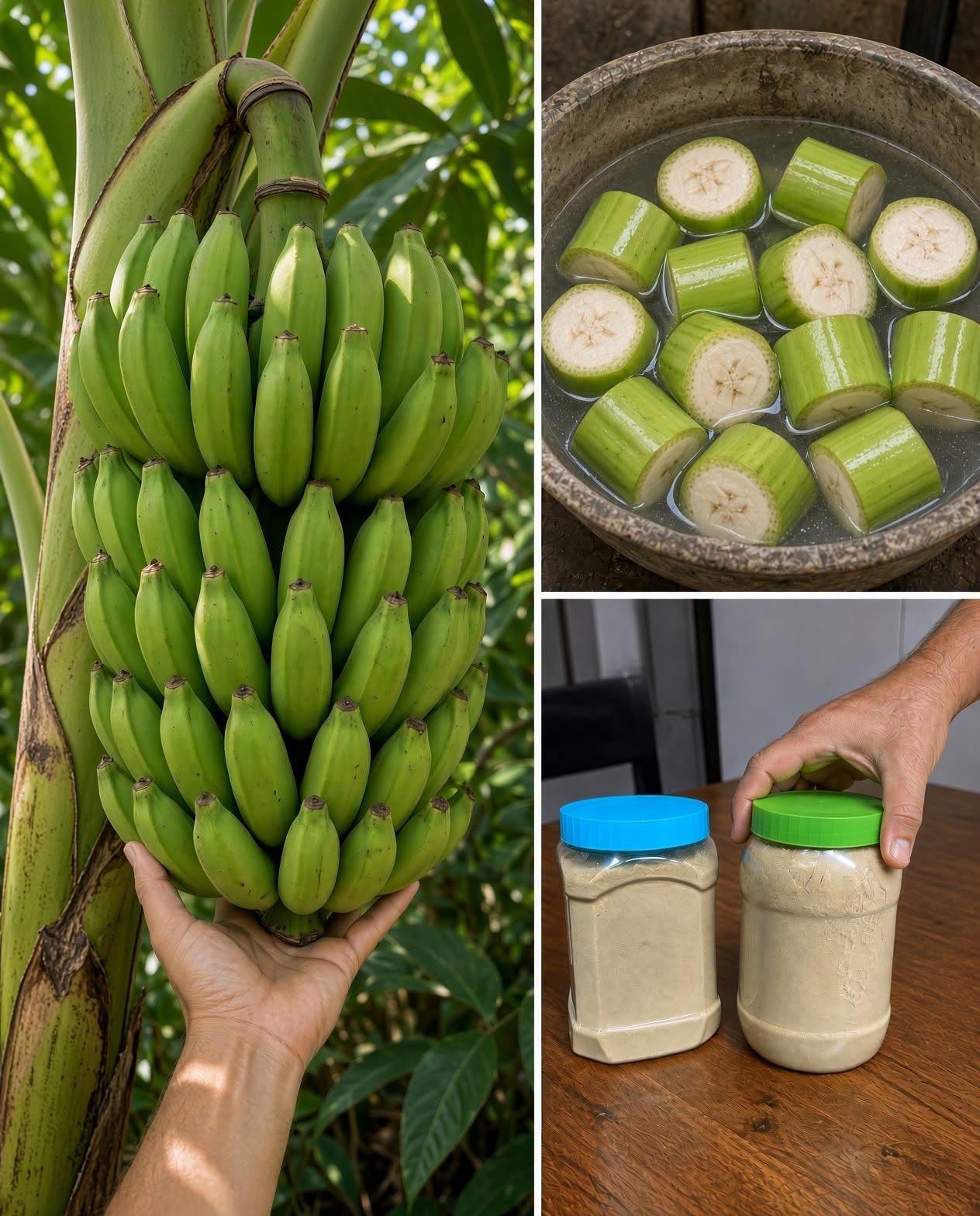
Unripe plantain is simply plantain harvested before it becomes fully ripe.
Unlike ripe plantains, which become softer and sweeter as they mature, green plantains contain more starch and are generally less sweet.
One of their most interesting nutritional features is resistant starch.
Resistant starch is a type of carbohydrate that is not completely digested in the small intestine. Some of it reaches the colon, where it can be fermented by gut bacteria.
Unripe plantain also provides dietary fiber, potassium, and various naturally occurring plant compounds.
These characteristics are part of the reason researchers have become interested in its possible effects on digestive and metabolic health.
Why Are People Interested in Unripe Plantain?
Traditional food practices have used green plantain in many different ways.
Some people cook it as part of their regular meals. Others turn it into flour or powder, while traditional preparations may involve drying, soaking, or combining it with other ingredients.
The claims surrounding unripe plantain are extensive, but it is important to separate traditional use and preliminary research from proven medical treatments.
For example, research has investigated whether compounds found in unripe plantain may have gastroprotective, antioxidant, metabolic, or other biological effects.
However, promising laboratory or animal findings do not automatically mean that the same effects will occur in humans.
Unripe Plantain and Digestive Health
One of the most interesting areas of research involves the stomach and digestive system.
Unripe plantain contains resistant starch and other plant compounds that may interact with the digestive system in different ways.
Some experimental research has investigated compounds such as leucocyanidin, which has been associated with protective effects on the stomach lining in animal models.
This has contributed to traditional interest in green plantain for stomach health.
However, stomach ulcers can have several causes, including H. pylori infection and certain medications.
Therefore, eating unripe plantain should not be considered a replacement for medical evaluation or treatment when an ulcer is suspected.
Could It Support Healthy Blood Sugar?
This is another reason green plantain has attracted attention.
Because unripe plantain contains more resistant starch than ripe plantain, its carbohydrates can behave differently during digestion.
Resistant starch is digested more slowly than rapidly available starch, which may influence how quickly glucose enters the bloodstream.
Unripe plantain also contains fiber, which can contribute to a more balanced carbohydrate intake.
Some research has investigated unripe banana and plantain products for their potential effects on blood glucose and insulin-related markers.
However, this does not mean that unripe plantain can replace diabetes medication or guarantee lower blood sugar.
Portion size and preparation still matter, especially for people who are monitoring carbohydrate intake.
What About Cholesterol?
The fiber and resistant starch found in green plantain are also interesting from a heart-health perspective.
A diet containing adequate fiber can support healthy cholesterol levels as part of an overall healthy eating pattern.
Some research on unripe banana flour and similar products has investigated their potential effects on metabolic health, including blood lipid measurements.
But it is important not to turn one food into a miracle solution.
Cholesterol levels are influenced by overall diet, physical activity, genetics, body weight, medications, and other health factors.
Unripe plantain can be part of a nutritious diet, but it should not be viewed as a standalone treatment for high cholesterol.
Can Unripe Plantain Improve Sexual Performance?
This is probably one of the most surprising claims.
Some researchers have investigated unripe plantain peel extracts for their potential effects on pathways involved in erectile function.
Laboratory research has examined compounds that may influence enzymes involved in the regulation of blood flow.
Animal studies have also explored plantain peel extracts in relation to sexual behavior and reproductive hormones.
But there is an important limitation:
Interesting results in laboratory or animal studies do not prove that eating unripe plantain will treat erectile dysfunction in humans.
More clinical research involving humans is needed before making strong claims about sexual performance, testosterone, fertility, or erectile function.
So, Is Unripe Plantain a Superfood?
It can certainly be a nutritious food, but calling it a cure-all would go too far.
Its nutritional value comes from several components, including:
- Resistant starch
- Dietary fiber
- Potassium
- Carbohydrates
- Naturally occurring plant compounds
The way you prepare it also matters.
Boiling, frying, drying, grinding into flour, and other processing methods can change its nutritional composition and the amount of resistant starch available.
How Can You Include Unripe Plantain in Your Diet?
There are several simple ways to enjoy green plantain.
Boiled Unripe Plantain
One of the easiest options is to peel and boil the plantain until tender.
It can be served alongside vegetables, beans, fish, eggs, or other protein-rich foods.
Unripe Plantain Flour
Green plantains can also be dried and ground into flour.
The flour can be used in porridges, baked foods, or other recipes.
Because flour is more concentrated than the whole cooked fruit, portion size is important.
Cooked and Cooled Plantain
Cooking and cooling starchy foods can change the structure of some starch and increase resistant starch.
However, the amount of change depends on the food and preparation method.
Therefore, cooled plantain can be an interesting nutritional option, but it should not be considered a guaranteed blood-sugar remedy.
Is Unripe Plantain Safe for Everyone?
For most healthy people, unripe plantain can be enjoyed as part of a balanced diet.
However, some people may need to be more careful.
People with Kidney Problems
Plantain contains potassium. People with certain kidney conditions may need to limit potassium intake depending on their individual medical situation.
If you have kidney disease, ask your healthcare professional how much potassium is appropriate for you.
People Managing Diabetes
Although unripe plantain contains resistant starch, it still contains carbohydrates.
If you have diabetes, consider your portion size and total carbohydrate intake, and follow the advice of your healthcare professional.
People With Sensitive Digestion
A sudden increase in resistant starch and fiber may cause gas, bloating, or digestive discomfort in some people.
Starting with a moderate amount may help your digestive system adjust.
The Bottom Line
Unripe plantain is definitely more than just a source of carbohydrates.
Its resistant starch, fiber, potassium, and other plant compounds make it an interesting food for nutritional research.
Early research has explored possible connections with digestive health, blood sugar regulation, cholesterol, and sexual wellness.
But there is a big difference between “may support” and “can cure.”
At this point, unripe plantain is best viewed as a nutritious food that can be included in a balanced diet—not as a replacement for prescribed medication or professional medical care.
And if you have a health condition such as an ulcer, diabetes, high cholesterol, or erectile dysfunction, getting the underlying problem properly evaluated remains important.
This information is provided for educational purposes only and is not intended to diagnose, treat, cure, or prevent any disease.