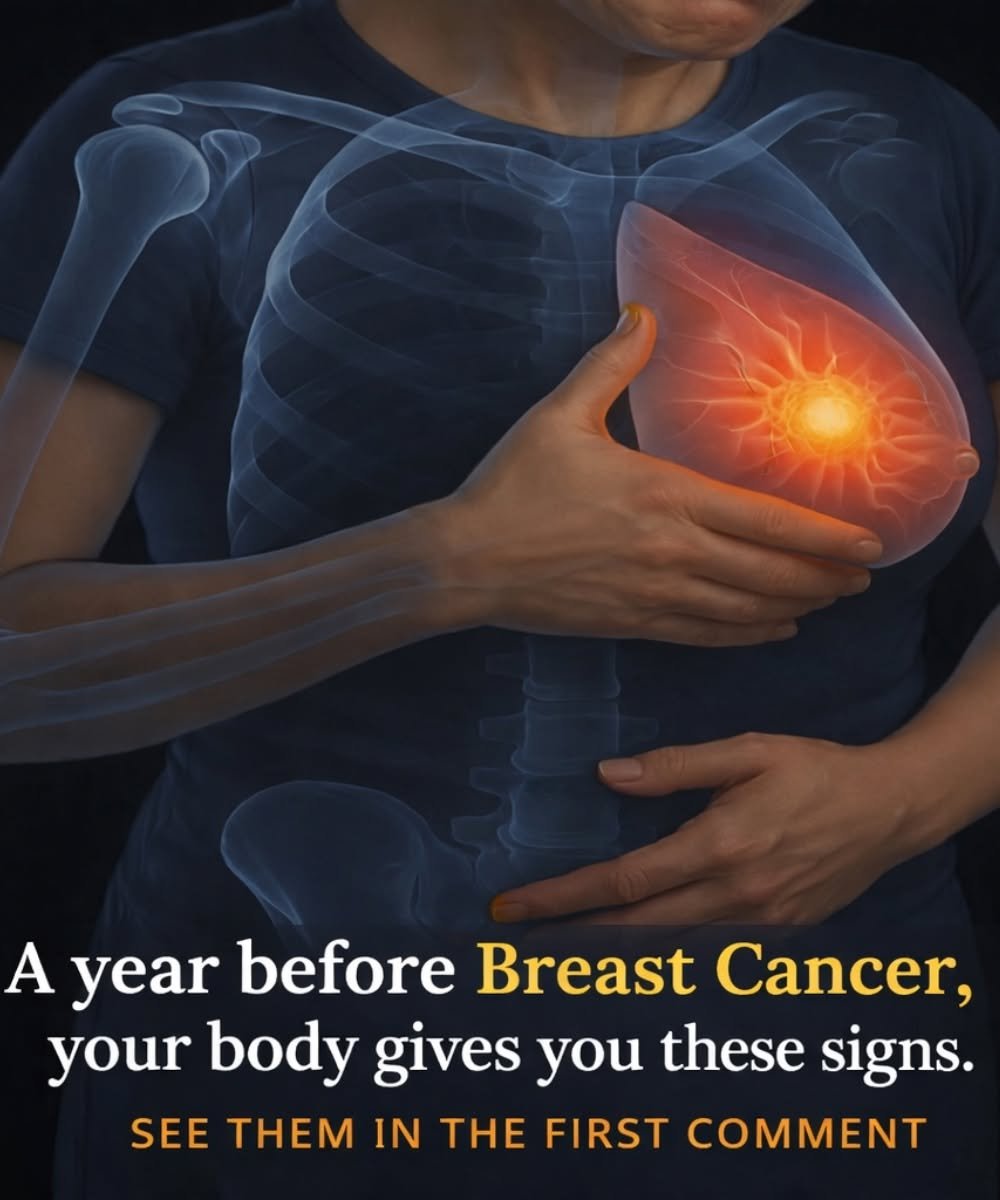
10 Possible Signs of Breast Cancer Every Woman Should Know
10 Possible Signs of Breast Cancer Every Woman Should Know
Introduction
Breast cancer is one of the most common cancers affecting women worldwide, although it can also occur in men. The encouraging news is that advances in screening, diagnosis, and treatment have significantly improved survival rates, especially when the disease is detected early.
Many people assume that breast cancer always causes a painful lump, but this isn’t always the case. In its early stages, the condition may produce very subtle changes—or no noticeable symptoms at all. That’s why becoming familiar with your normal breast appearance and attending recommended screening appointments are so important.
In this guide, we’ll explore common warning signs of breast cancer, explain when to seek medical advice, and share practical tips for maintaining breast health.
What Is Breast Cancer?
Breast cancer develops when abnormal cells in the breast begin to grow uncontrollably. Over time, these cells may form a tumour and, in some cases, spread to nearby lymph nodes or other parts of the body.
Early diagnosis often allows for more treatment options and improves the chances of successful outcomes.
1. A New Lump in the Breast or Underarm
One of the most recognised signs of breast cancer is a new lump or thickened area in the breast or armpit.
A lump may be:
- Hard or firm
- Painless or tender
- Fixed in place or movable
- Small or large
It’s important to remember that many breast lumps are not cancerous, but any new lump should be assessed by a healthcare professional.
2. Changes in Breast Size or Shape
Breasts naturally vary in size and may change during different stages of life. However, a sudden or unusual change affecting one breast deserves medical attention.
Possible changes include:
- Swelling
- Shrinkage
- Uneven appearance
- Changes in breast contour
If these changes occur without an obvious reason, arrange a medical evaluation.
3. Skin Changes on the Breast
Changes to the skin covering the breast can sometimes be a warning sign.
Watch for:
- Dimpling
- Thickened skin
- Redness
- Persistent rash
- Skin that resembles the texture of an orange peel
While these symptoms can have many causes, they should always be examined if they persist.
4. Persistent Breast Pain
Most breast pain is not caused by cancer, and many women experience discomfort related to hormonal changes.
However, persistent pain that affects one specific area and doesn’t improve should be discussed with a healthcare provider, especially if it’s accompanied by other breast changes.
5. Changes in the Nipple
The nipple can sometimes show early signs of breast disease.
Possible warning signs include:
- A newly inverted nipple
- Changes in shape
- Persistent redness
- Scaling or crusting
- Skin irritation that doesn’t heal
These symptoms don’t always indicate cancer but should be evaluated.
6. Unusual Nipple Discharge
Nipple discharge is not uncommon and may occur for several non-cancerous reasons.
However, discharge should be checked by a healthcare professional if it:
- Occurs without squeezing the nipple
- Contains blood
- Appears clear from one breast
- Happens when you are not breastfeeding
Early assessment helps determine the underlying cause.
7. Swelling or Lumps in the Armpit
Breast tissue extends into the underarm area, where lymph nodes are located.
Swollen lymph nodes or a lump in the armpit may occur due to infection, but they can also be associated with breast cancer.
Any persistent swelling or unexplained lump should be medically assessed.
8. Changes Around the Nipple or Areola
The darker area surrounding the nipple, known as the areola, may also show changes.
Possible symptoms include:
- Thickened skin
- Persistent itching
- Scaling
- Colour changes
- Crusting
If these symptoms continue despite basic skin care, seek medical advice.
9. Swelling, Warmth or Redness of the Breast
Although uncommon, inflammatory breast cancer may cause:
- Warmth
- Swelling
- Redness
- Tenderness
- Rapid enlargement of the breast
Unlike other forms of breast cancer, this type may not produce a distinct lump. Prompt medical assessment is important if these symptoms appear.
10. Unexplained Fatigue or Weight Loss
Advanced cancers of many types can sometimes cause symptoms that affect the whole body, including:
- Ongoing fatigue
- Unintentional weight loss
- Reduced appetite
- General weakness
These symptoms are not specific to breast cancer, but unexplained changes in your overall health should always be discussed with a doctor.
Who Is at Higher Risk?
Certain factors may increase the risk of developing breast cancer, including:
- Increasing age
- Family history of breast or ovarian cancer
- Certain inherited gene changes, such as BRCA1 or BRCA2
- Previous radiation therapy to the chest
- Obesity after menopause
- Regular alcohol consumption
- Limited physical activity
Having one or more risk factors does not mean you will develop breast cancer, and many people diagnosed have no known risk factors.
The Importance of Early Detection
Detecting breast cancer early greatly improves treatment outcomes.
Doctors recommend:
- Becoming familiar with the normal appearance and feel of your breasts
- Reporting any unusual changes promptly
- Attending routine breast screening appointments if you’re eligible
- Discussing your personal risk with your healthcare provider
Screening programmes can detect changes before symptoms become noticeable.
Healthy Habits That Support Breast Health
Although no lifestyle can completely prevent breast cancer, healthy habits may help reduce overall risk.
These include:
- Maintaining a healthy weight
- Exercising regularly
- Eating a balanced diet rich in fruits, vegetables, and whole grains
- Limiting alcohol intake
- Avoiding smoking
- Getting adequate sleep
- Attending regular health check-ups
Small daily choices can contribute to long-term wellbeing.
Frequently Asked Questions
Does breast cancer always cause a lump?
No. Some people develop skin changes, nipple changes, or swelling without feeling a lump.
Can younger women develop breast cancer?
Yes. Although risk increases with age, breast cancer can occur in younger adults.
Are painful breasts usually a sign of cancer?
Most breast pain is caused by non-cancerous conditions, but persistent or unusual pain should still be assessed by a healthcare professional.
Should men be concerned about breast cancer?
Yes. Although much less common, men can develop breast cancer and should seek medical advice if they notice lumps or other breast changes.
When should I see a doctor?
Arrange an appointment if you notice any new lump, persistent breast changes, nipple discharge, skin changes, or swelling that doesn’t improve.
Final Thoughts
Knowing what is normal for your body is one of the most effective ways to recognise changes early. While many breast symptoms are caused by harmless conditions, it’s always better to have new or unusual changes checked by a healthcare professional rather than ignore them.
Regular screening, healthy lifestyle habits, and prompt medical attention when symptoms appear can make a significant difference. Early detection doesn’t just improve treatment options—it can save lives.
Medical Disclaimer: This article is for educational purposes only and should not replace professional medical advice, diagnosis, or treatment. If you notice any unusual breast changes or have concerns about your health, consult a qualified healthcare professional promptly.