
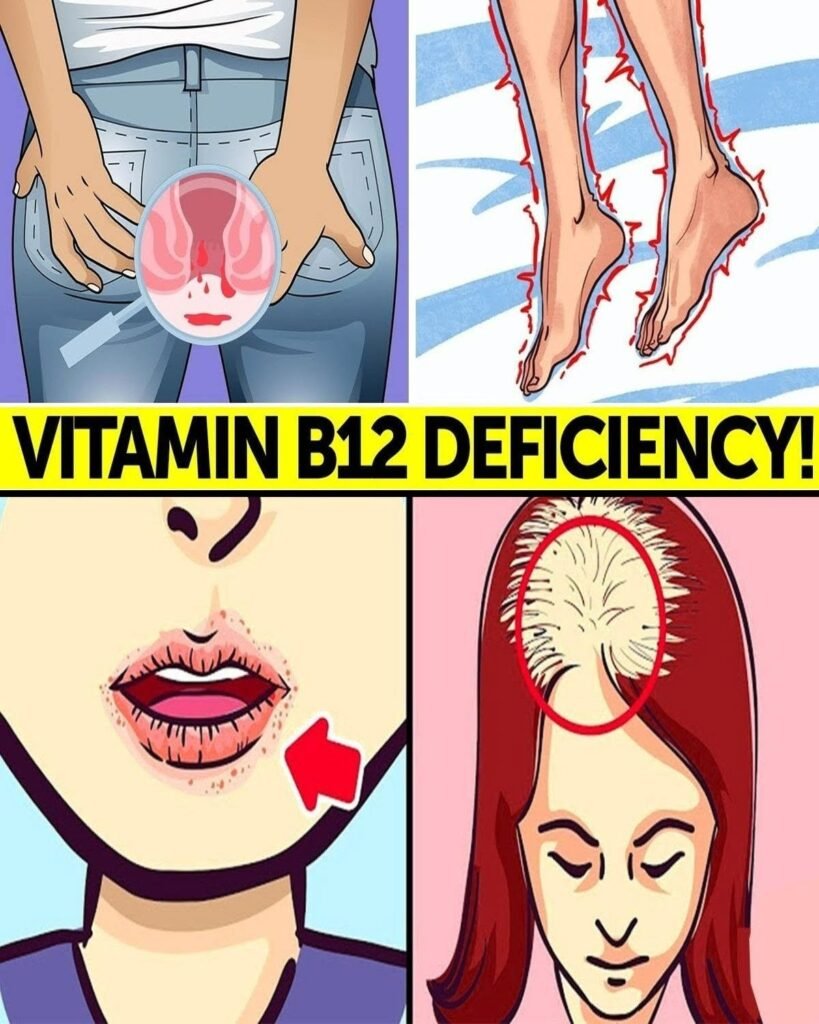
8 Strange Signs Your Body Is Begging for More Vitamin B12 – Don’t Ignore These Red Flags
Vitamin B12 is one of the most important nutrients your body needs to stay healthy. It plays a vital role in making red blood cells, supporting nerve function, producing DNA, and maintaining normal brain health. Yet millions of people worldwide have low vitamin B12 levels without realizing it.
Because vitamin B12 deficiency develops gradually, the symptoms are often mistaken for stress, aging, lack of sleep, or other medical conditions. In some cases, untreated deficiency can lead to permanent nerve damage if left unrecognized for too long.
The good news is that vitamin B12 deficiency can often be diagnosed with a simple blood test and treated effectively once identified.
Here are eight common warning signs that may suggest your body needs more vitamin B12.
1. Tingling or Numbness in Your Hands and Feet
One of the earliest signs of vitamin B12 deficiency is a tingling or “pins and needles” sensation in the hands, feet, or legs.
Vitamin B12 helps maintain the protective covering around nerves, known as the myelin sheath. When B12 levels become too low, nerve signals may not travel properly.
Symptoms may include:
- Tingling
- Burning sensations
- Numbness
- Reduced sensation
- Feeling like your hands or feet have “fallen asleep”
These symptoms can also occur with diabetes, nerve disorders, or circulation problems, making proper medical evaluation important.
2. Constant Fatigue and Weakness
Feeling tired after a busy day is normal, but persistent exhaustion that doesn’t improve with rest may have an underlying medical cause.
Vitamin B12 deficiency can lead to megaloblastic anemia, where red blood cells become larger than normal and less effective at carrying oxygen throughout the body.
Common symptoms include:
- Low energy
- Muscle weakness
- Shortness of breath
- Feeling exhausted after minor activities
- Reduced physical endurance
3. Brain Fog and Memory Problems
Many people with low vitamin B12 report difficulty thinking clearly.
You may notice:
- Forgetfulness
- Difficulty concentrating
- Mental fatigue
- Trouble finding words
- Slower thinking
Since vitamin B12 supports healthy brain and nerve function, low levels may affect memory and concentration. However, these symptoms can also have many other causes.
4. Dizziness or Lightheadedness
Some individuals experience dizziness, particularly when standing up quickly.
Low vitamin B12 may reduce oxygen delivery to the brain due to anemia, contributing to:
- Feeling faint
- Balance problems
- Lightheadedness
- Weakness
Persistent dizziness should always be evaluated by a healthcare professional because many medical conditions can produce similar symptoms.
5. Pale or Slightly Yellow Skin
Vitamin B12 deficiency-related anemia may cause the skin to appear unusually pale.
In some people, the breakdown of abnormal red blood cells may slightly increase bilirubin levels, creating a mild yellowish tint to the skin or eyes.
While this symptom is not specific to B12 deficiency, it deserves medical evaluation.
6. A Smooth, Red, or Sore Tongue
Inflammation of the tongue, known as glossitis, is another possible symptom.
Signs include:
- Bright red color
- Smooth surface
- Swelling
- Burning sensation
- Pain while eating
The tiny bumps normally found on the tongue may become less noticeable, giving the tongue a smooth appearance.
7. Frequent Mouth Ulcers
Some people with vitamin B12 deficiency develop recurring mouth sores.
These may appear on:
- Lips
- Inside the cheeks
- Gums
- Tongue
Mouth ulcers can have many causes, including nutritional deficiencies, infections, stress, and certain medications.
8. Difficulty Walking or Poor Balance
In more advanced deficiency, nerve damage may affect coordination and movement.
Possible symptoms include:
- Poor balance
- Unsteady walking
- Frequent stumbling
- Weakness in the legs
Early diagnosis is important because prolonged nerve damage may become difficult to reverse.
Who Is Most at Risk?
Certain individuals have a higher chance of developing vitamin B12 deficiency.
Risk factors include:
- Adults over age 60
- Vegetarians and vegans
- People taking metformin
- Long-term use of acid reflux medications
- Pernicious anemia
- Crohn’s disease
- Celiac disease
- Previous stomach or intestinal surgery
- Conditions affecting nutrient absorption
Even people who regularly eat meat can become deficient if their digestive system cannot absorb vitamin B12 properly.
How Is Vitamin B12 Deficiency Diagnosed?
Doctors usually begin with a medical history, physical examination, and laboratory testing.
Common tests include:
- Complete Blood Count (CBC)
- Serum Vitamin B12 level
- Methylmalonic Acid (MMA)
- Homocysteine level
Additional tests may be needed depending on your symptoms and medical history.
Treatment Options
Treatment depends on the cause and severity of the deficiency.
Your healthcare provider may recommend:
- Vitamin B12 tablets
- High-dose oral supplements
- Vitamin B12 injections
- Dietary changes
- Long-term monitoring
Most people begin to notice improvement within several weeks, although recovery from nerve-related symptoms may take several months.
Foods Rich in Vitamin B12
Vitamin B12 is naturally found in animal-based foods.
Good dietary sources include:
- Fish
- Salmon
- Tuna
- Beef
- Chicken
- Turkey
- Eggs
- Milk
- Yogurt
- Cheese
People following vegan diets should choose fortified foods or discuss supplementation with their healthcare provider.
Healthy Habits That Support Vitamin B12 Levels
To help maintain healthy vitamin B12 status:
- Eat a balanced diet.
- Discuss medications that may affect absorption with your doctor.
- Attend regular health checkups.
- Get recommended blood tests if you have risk factors.
- Follow treatment plans if diagnosed with deficiency.
Frequently Asked Questions
Can vitamin B12 deficiency occur even if I eat meat?
Yes. Some people have difficulty absorbing vitamin B12 because of digestive disorders, medications, or aging.
Is vitamin B12 deficiency reversible?
Most people recover well with timely treatment, although long-standing nerve damage may not completely reverse.
Can low vitamin B12 affect mood?
Vitamin B12 supports normal nervous system function. Low levels may contribute to mood changes in some individuals, but many conditions can produce similar symptoms.
Should everyone take vitamin B12 supplements?
Not necessarily. Supplements should be based on individual needs, dietary habits, medical conditions, and advice from a healthcare professional.
Final Thoughts
Vitamin B12 deficiency is more common than many people realize, and its symptoms often develop slowly. Persistent fatigue, numbness, brain fog, dizziness, balance problems, or unexplained weakness should never be ignored.
While these symptoms do not automatically mean you have vitamin B12 deficiency, they are good reasons to discuss your concerns with a healthcare provider. A simple blood test can often identify the problem, allowing treatment to begin before complications develop.
Supporting your health through balanced nutrition, regular medical checkups, and early evaluation of persistent symptoms remains the best way to protect your long-term well-being.