
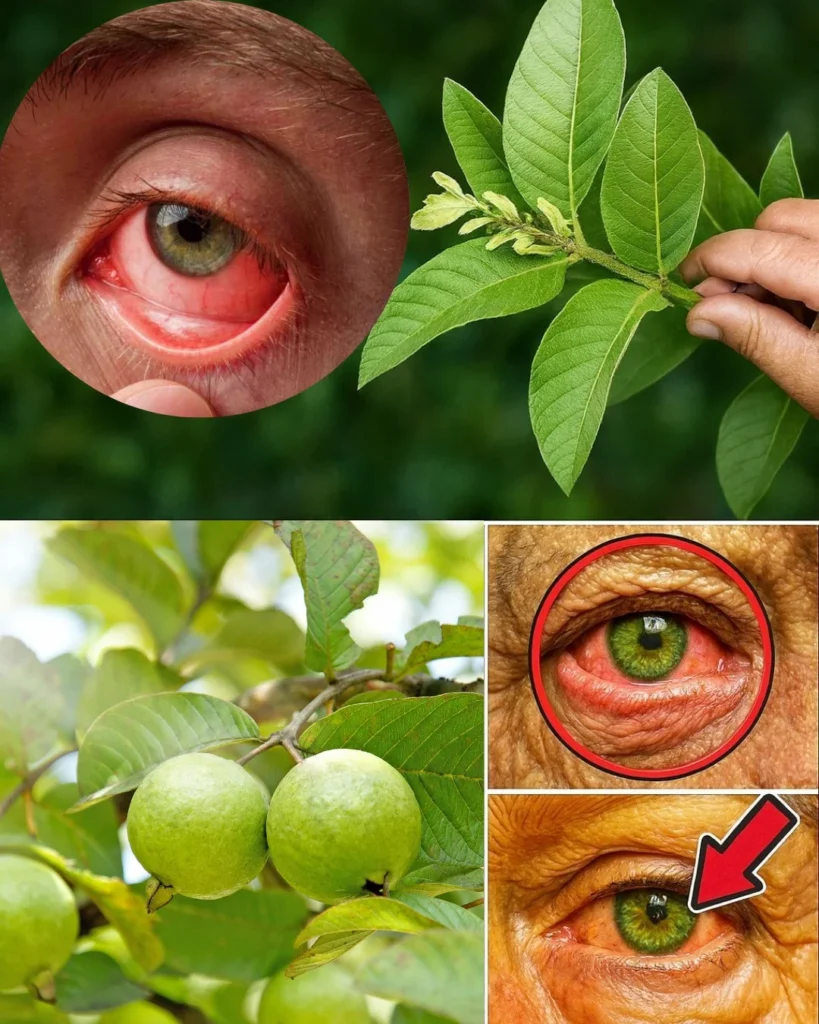
How to Use Guava to Care for Your Eyes: Natural Remedies That Surprise 🌿
Did you know that a common tropical fruit like the guava (guava) could become an unexpected ally for your eye health? This nutrient-packed treasure has been used for generations in natural remedies to ease eye discomfort and promote visual wellness. If you’re looking for natural ways to look after your eyes, this article will show you how guava can help—practical methods, science-backed benefits and essential precautions for safe use. Get ready for a fresh, natural approach that might transform your eye-care routine.
Why Guava Is a Gift for Your Eyes
Guava isn’t just a delicious fruit—it’s a nutritional gem that offers surprising benefits for eye health. Its antioxidant, anti-inflammatory and antimicrobial properties give it a standout place in traditional medicine. Here’s why this fruit deserves a spot in your natural-care arsenal.
Rich in antioxidants and vitamin C
Guava is one of the richest fruit sources of vitamin C—sometimes even surpassing citrus fruits. Vitamin C is a powerful antioxidant that helps protect the delicate tissues of the eye from damage by free radicals—unstable molecules that can contribute to premature ageing of the eyes and conditions like cataracts.
Beyond that, guava contains other antioxidant compounds like flavonoids and lycopene, which help counter oxidative stress affecting the retina and other sensitive structures of the eye.
Anti-inflammatory properties for soothing discomfort
Inflammation is a common cause of eye discomfort, such as swollen eyelids or visual fatigue after long screen time. The bioactive compounds in guava—especially flavonoids—have anti-inflammatory effects which may help soothe mild irritation on the surface of the eye or eyelids
Antimicrobial effect for natural protection
Guava leaves contain compounds with antimicrobial properties that, in traditional use, help combat bacterial or external-agent irritations of the eyes. While not a substitute for medical treatment, this makes guava a natural complementary option in very mild cases (with proper caution).
How to Use Guava for Eye Health: Practical Methods
While guava is not a medical cure for serious eye conditions, using it in natural remedies can complement your routine, relieve mild discomfort and support overall wellness. Here are three practical methods to leverage its benefits—with clear instructions and safe usage tips.
1. Guava leaf compress to relieve inflammation 🌿
This is a traditional remedy ideal for tired eyelids or after long screen exposure.
Preparation:
Wash 5-6 fresh guava leaves thoroughly to remove any residue.
Boil them in 500 ml of water for about 10 minutes.
Strain the infusion and let it cool to a warm-but-not-hot temperature. Make sure the liquid is clear and free of particles.
Usage:Soak a sterile gauze or clean cloth in the infusion.
Gently apply it over your closed eyelids for 5-10 minutes, relaxing while the anti-inflammatory compounds work.
You may repeat 1-2 times per day if desired.
Important caution:
Never apply the compress if the liquid is cloudy or unfiltered—it may introduce contaminants into the eye.
2. Diluted guava extract drops (use only with extreme care) 💧
Some traditional practices use a diluted aqueous extract of guava as an eye drop for mild irritation. This method carries more risk and must be handled with utmost hygiene.
Preparation:
Boil fresh guava leaves in distilled/sterile water, strain and allow to cool fully.
Filter the solution multiple times (for example, using a sterile coffee-filter) to remove particles.
Dilute the extract with sterile water at a ratio of about 1:10 (one part extract to ten parts water).
Usage:Using a sterile pipette, apply a single drop into the affected eye (only if you are experienced with sterile solutions).
If you feel burning, blurred vision or discomfort—stop immediately and consult an ophthalmologist.
Warning:
This method is not recommended for non-professionals. Eye tissue is extremely delicate and non-sterile solutions may cause infection or damage.
3. Guava-infused eye-contour serum or cream 🧴
If you prefer a safer topical application (for the area around the eyes rather than the eyeball itself), look for cosmetic products that contain guava extract (or make a simple natural version). These help hydrate the skin around the eyes, reduce puffiness and apply the antioxidant benefit.
Usage:
Apply a small amount of the serum/cream on clean skin around the eyes, avoiding direct contact with the eyeball or eyelid margin.
Gently massage with fingertip for better absorption.
Ideal for reducing dark circles, swelling or fine lines via antioxidant support.
Essential Precautions for Eye-Safe Use
Although guava offers promising benefits, it must be used cautiously in the eye area to avoid complications. Here are key safety points:
Absolute sterility: Never use extracts or infusions directly in the eye unless you are sure they are sterile. Contaminants may cause serious infection.
Allergic reactions: Some people may be allergic to guava or its compounds. Before using any remedy, do a patch test on skin and stop use if you observe redness, itching or other sensitivity.
Stop if irritation arises: If you experience burning, intense redness, blurred vision or other discomfort after using a guava-based remedy, cease immediately and seek prompt medical advice.
Not a substitute for medical treatment: Guava remedies should not replace treatments for serious eye conditions such as glaucoma, cataracts, infections or retinal disease. Always consult an eye-care professional for diagnosis and care.
What Does the Science Say About Guava and Eyes?
It’s important to be clear: while guava shows nutritional promise, robust clinical studies on its use specifically for eye conditions are limited. Here’s a summary of what research reveals:
Guava is highly rich in vitamin C, antioxidants and other phytochemicals—these are known to help protect tissues (including ocular tissues) from oxidative stress.
A review notes guava supports eye health via vitamin A, beta-carotene and flavonoids, potentially reducing the risk of night blindness, macular degeneration and diabetic retinopathy.
One older study tested a guava-leaf decoction as a topical antibacterial for the eye in animals; although results looked promising, sterility issues were noted and the study is far from definitive for human use.
Official sources (e.g., WebMD) caution that while guava has nutritional benefits, there is no strong scientific evidence confirming use of guava for certain medical conditions of the eye.
In short: guava supports general eye-health via nutrition, but topical use for ocular therapy remains speculative and should be approached with caution.
Include Guava in Your Diet for Better Vision
Apart from topical remedies, eating guava regularly offers internal support for healthy eyes. Here are some ideas:
Add fresh guava to fruit salads, smoothie blends or as a snack.
Try a vision-supporting smoothie: blend one ripe guava, a small carrot (beta-carotene source), a handful of spinach (chlorophyll and lutein) and a glass of water. Consume once a day.
Aim for a variety of colourful fruits and vegetables—nutrients like vitamin C, beta-carotene, lutein and flavonoids work together to protect the eyes.
Conclusion: Guava, A Natural Ally for Your Eyes
Guava is far more than just a tasty fruit—it represents a natural resource rich in nutrients that can support your eye health safely and effectively when used properly. From calming compresses and skin-care serums to diet-based nutrition, there are versatile ways to incorporate its benefits. However, always remember: the eyes are delicate. Any remedy must be used responsibly, with hygiene and expert consultation when needed.
Are you ready to bring guava into your routine and give your eyes the natural care they deserve? Try these methods, explore its benefits and see how nature can be your ally. And if you have persistent concerns or discomfort, don’t hesitate to consult an ophthalmologist for professional guidance.