Top 3 Ways to Treat Tooth Decay with Guava Leaves – Simple and Cost-Effective
Top 3 Ways to Treat Tooth Decay with Guava Leaves – Simple and Cost-Effective
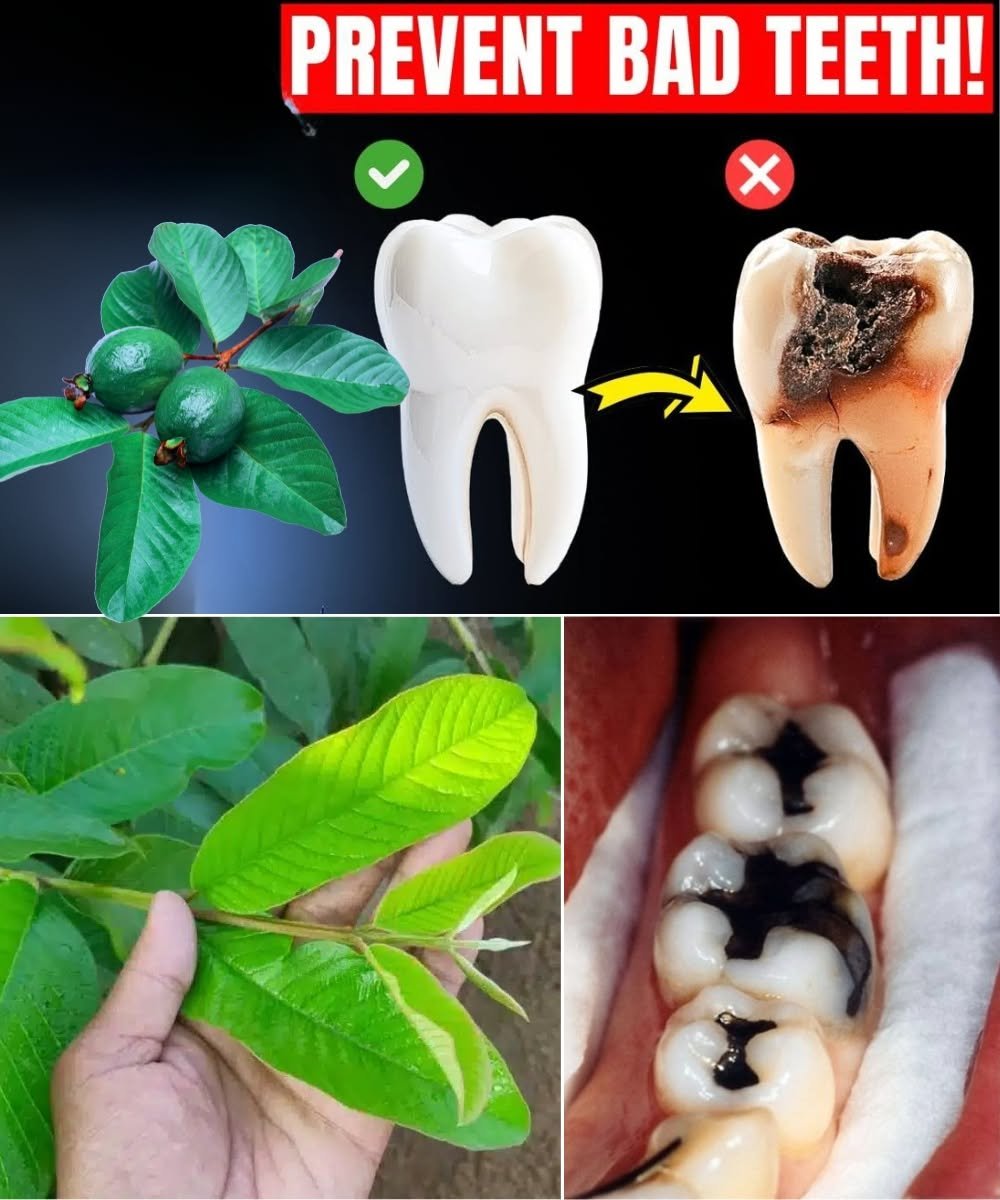
Tooth decay is one of the most common dental problems worldwide. While modern dentistry offers many treatments, not everyone has the time or resources to visit a clinic right away. Luckily, nature provides us with simple remedies, and guava leaves are among the most effective. Known for their antibacterial, anti-inflammatory, and pain-relieving properties, guava leaves have been used for centuries in traditional medicine to fight oral problems.
If you’re looking for a natural, affordable, and safe way to relieve tooth decay at home, here are the top 3 guava leaf remedies you can try today.
1. Chewing Fresh Guava Leaves
The easiest way to use guava leaves for tooth decay is to chew them directly.
How to do it:
Wash 2–3 fresh guava leaves thoroughly.
Chew them slowly until the juice spreads inside your mouth.
Focus on the affected tooth area and then spit out the residue.
Why it works:
Chewing releases natural compounds such as quercetin and flavonoids that kill bacteria, reduce inflammation, and relieve pain caused by cavities.
2. Guava Leaf Mouthwash
Turning guava leaves into a mouth rinse is another effective method for improving oral health.
How to do it:
Boil a handful of guava leaves in 1–2 cups of water for 10 minutes.
Allow it to cool and strain the liquid.
Use this solution as a mouthwash 2–3 times daily.
Why it works:
This natural mouthwash helps remove food particles, prevents bacterial growth, and freshens breath while soothing gum pain.
3. Guava Leaf Paste
Guava leaf paste works like a natural herbal toothpaste for tooth decay relief.
How to do it:
Crush several fresh guava leaves into a fine paste.
Mix with a small amount of salt and apply directly to the decayed tooth.
Leave it on for 5–10 minutes, then rinse with warm water.
Why it works:
The antibacterial compounds in guava leaves, combined with salt, reduce infection, ease swelling, and help slow down the spread of cavities.
Extra Tips for Better Oral Health
Brush your teeth twice daily with fluoride toothpaste.
Limit sugary foods and acidic drinks that damage enamel.
Drink plenty of water to wash away food particles.
Visit a dentist regularly for check-ups and professional care.
Final Thoughts
Using guava leaves for tooth decay is an effective, safe, and cost-saving method. Whether you chew the leaves, make a mouthwash, or apply a paste, these natural remedies can help relieve pain, fight bacteria, and protect your oral health.
While guava leaves are powerful, remember that they work best as a supportive treatment. For severe or long-term tooth decay, always seek advice from a dentist.