14 Life-Changing Ways to Keep Your Colon Healthy: Natural Foods, Daily Habits, and Important Tips
14 Life-Changing Ways to Keep Your Colon Healthy: Natural Foods, Daily Habits, and Important Tips
Your colon plays an essential role in digestive health. It helps absorb water and electrolytes, processes waste, and supports the balance of microorganisms living in your digestive system. However, poor dietary habits, insufficient fiber, dehydration, and a sedentary lifestyle can contribute to digestive discomfort and irregular bowel movements.
The good news is that simple everyday changes can help support a healthier colon. From eating more fiber-rich foods to drinking enough water, there are several practical ways to improve your digestive health naturally.
Let’s explore 14 habits that can help keep your colon healthy.
1. Eat More Fiber-Rich Foods
Fiber is one of the most important nutrients for digestive health. It adds bulk to stool, supports regular bowel movements, and helps prevent constipation.
Include foods such as:
- Oats and whole grains
- Apples and pears
- Beans and lentils
- Broccoli and carrots
- Chia seeds and flaxseeds
Increase fiber gradually to give your digestive system time to adjust.
2. Drink Enough Water
Water helps soften stool and makes it easier to pass through the digestive tract. Not drinking enough fluids can contribute to constipation, particularly when your diet is high in fiber.
Drink water regularly throughout the day. Your fluid needs may vary depending on your activity level, climate, and health.
3. Eat Cucumbers for Hydration
Cucumbers contain a high percentage of water and provide small amounts of vitamins and minerals.
Adding cucumbers to salads, sandwiches, or snacks is an easy way to increase your water-rich food intake.
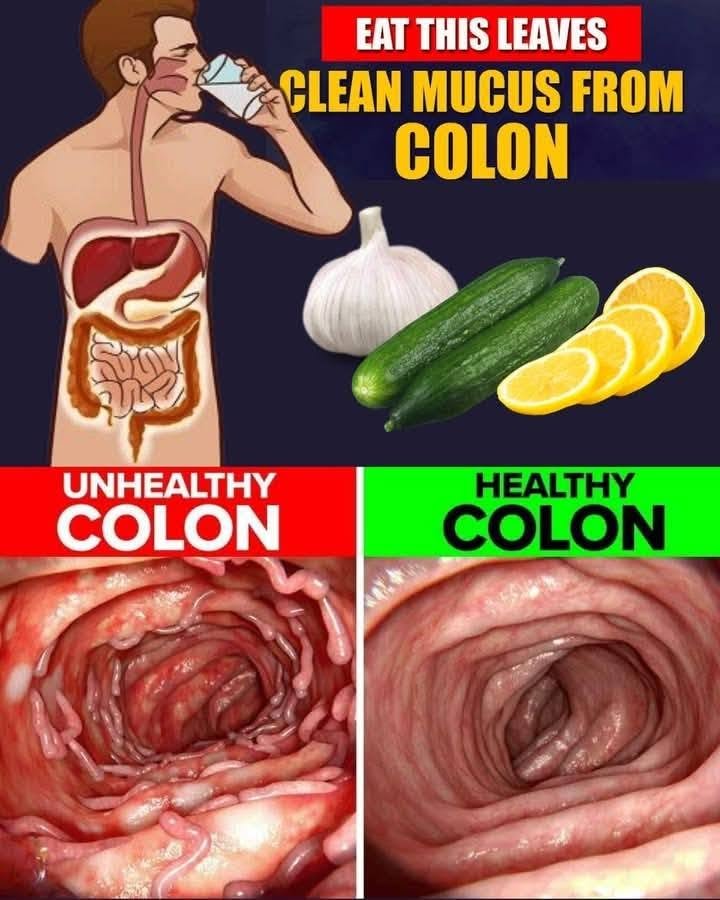
Remember that cucumbers do not remove mucus or toxins from the colon, but they can contribute to a balanced diet.
4. Include Garlic in Your Diet
Garlic contains naturally occurring sulfur compounds and plant substances that have been studied for their potential health effects.
It also contains prebiotic compounds that can help support beneficial gut bacteria.
Add fresh garlic to soups, vegetables, sauces, and homemade meals for extra flavor and nutritional variety.
5. Eat More Fruits and Vegetables
Fruits and vegetables provide fiber, vitamins, minerals, and antioxidants that support overall health.
Some excellent choices include:
- Papaya
- Apples
- Bananas
- Spinach
- Broccoli
- Carrots
- Berries
Try to include a variety of colorful fruits and vegetables in your daily meals.
6. Choose Whole Grains Instead of Refined Grains
Whole grains contain more dietary fiber than many refined grain products.
Consider replacing some white bread, white rice, and refined cereals with:
- Brown rice
- Whole-wheat bread
- Oatmeal
- Barley
- Whole-grain cereals
These foods can help improve bowel regularity and support digestive function.
7. Eat Fermented Foods
Fermented foods may contain beneficial microorganisms that support gut health.
Consider adding moderate portions of:
- Plain yogurt with live cultures
- Kefir
- Traditionally fermented vegetables
- Other fermented foods
Not every fermented food contains live cultures, so check product labels when choosing them.
8. Exercise Regularly
Physical activity supports normal digestive function and may help reduce constipation.
You do not need an expensive gym membership to stay active.
Try:
- Walking for 20–30 minutes.
- Cycling.
- Swimming.
- Gentle stretching.
- Light strength training.
Consistency is more important than exercising intensely.
9. Avoid Excessive Processed Foods
Many highly processed foods contain little fiber and may be high in added sugar, salt, and unhealthy fats.
Eating too many of these foods can make it difficult to maintain a balanced diet.
Limit excessive consumption of packaged snacks, sugary drinks, processed meats, and heavily refined foods. Choose whole or minimally processed ingredients more often.
10. Do Not Ignore the Urge to Use the Bathroom
Ignoring the natural urge to have a bowel movement can contribute to constipation.
Try to establish a regular bathroom routine, particularly after breakfast when the digestive system may be more active.
Take your time and avoid straining excessively.
11. Include Healthy Sources of Fats
Healthy fats are part of a balanced diet and help the body absorb certain vitamins.
Good choices include:
- Olive oil
- Avocados
- Walnuts
- Almonds
- Chia seeds
- Fatty fish
These foods can complement a fiber-rich eating pattern and support overall health.
12. Get Enough Sleep
Sleep is important for many bodily functions, including the processes that regulate metabolism and digestive activity.
Try to maintain a consistent sleeping schedule and aim for approximately seven to nine hours of sleep each night if you are an adult.
Good sleep habits can contribute to better overall well-being.
13. Avoid Unnecessary Colon Cleanses
Many products claim to remove accumulated mucus, toxins, or waste from the colon. However, the colon naturally moves waste through the digestive system, and special detox drinks or cleanses are generally unnecessary.
Some colon-cleansing products can cause dehydration, electrolyte imbalances, and other complications.
A balanced diet, sufficient fluids, and regular physical activity are safer ways to support normal bowel function.
14. Schedule Recommended Colorectal Screening
One of the most important ways to protect your colon is to follow recommended colorectal cancer screening guidelines.
Screening can help identify precancerous growths before they develop into cancer.
People with a family history of colorectal cancer, inflammatory bowel disease, or certain other risk factors may need screening earlier or more frequently.
Speak with a healthcare professional about the appropriate screening schedule for your age and medical history.
Can Certain Foods Remove Mucus From the Colon?
You may have seen claims that cucumber, garlic, lemon, or herbal drinks can clean mucus from the colon. These claims are misleading.
The digestive tract naturally produces mucus to lubricate and protect its lining. This is a normal and necessary function.
There is no proven food or drink that flushes mucus out of the colon. However, a balanced diet rich in fiber, fruits, vegetables, and fluids can help maintain normal bowel function.
If you notice persistent changes in bowel habits, blood in your stool, unexplained weight loss, or ongoing abdominal pain, seek medical advice rather than relying on home remedies.
Final Thoughts
Keeping your colon healthy does not require expensive supplements, special detox drinks, or extreme diets. The most effective approach is to build sustainable habits that support your digestive system.
Eat more fiber, drink enough water, enjoy a variety of fruits and vegetables, exercise regularly, get adequate sleep, and follow appropriate colorectal screening recommendations.
Small daily improvements can make a meaningful difference to your digestive health and overall well-being.