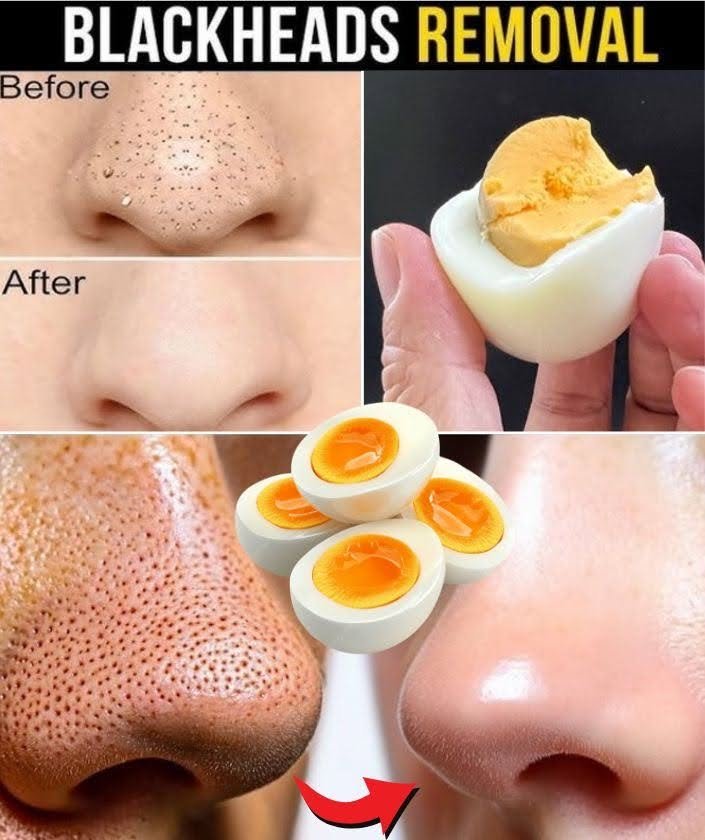
Say Goodbye to Blackheads with Just One Egg – Here’s What Really Works!
Say Goodbye to Blackheads with Just One Egg – Here’s What Really Works!
Blackheads are one of the most common skincare concerns. Those tiny dark spots, especially around the nose, chin and forehead, can make skin appear rough, uneven and congested. Many people spend money on expensive skincare products, pore strips and facial treatments in the hope of achieving smooth, clear skin.
But what if a simple kitchen ingredient could help?
Eggs are often mentioned in homemade beauty treatments, particularly egg-white face masks. While this traditional remedy has become popular online, does it actually remove blackheads? And what is the safest way to get rid of stubborn clogged pores?
Let’s explore what egg whites can and cannot do, along with some effective skincare tips for reducing blackheads.
What Are Blackheads and Why Do They Appear?
Blackheads are a type of acne known as open comedones. They develop when hair follicles become clogged with excess oil (sebum), dead skin cells and other debris.
Unlike whiteheads, blackheads remain open at the surface of the skin. Their dark appearance is caused by the contents of the clogged pore reacting with air, rather than dirt.
Common causes include:
- Excess oil production.
- Hormonal changes.
- Accumulation of dead skin cells.
- Genetics.
- Certain oily or pore-clogging skincare products.
- Changes in skin-care habits.
Blackheads commonly appear on the nose, forehead, chin and other areas with higher oil production.
Can an Egg White Mask Remove Blackheads?
Egg whites have traditionally been used in homemade face masks because they dry into a thin film on the skin.
When the mask dries, it creates a temporary tightening sensation. This can make the skin feel smoother and appear slightly tighter for a short period.
However, there is no reliable clinical evidence that egg whites can dissolve blackheads, remove deep pore blockages or permanently shrink pores.
Egg whites should therefore be viewed as an unproven home remedy rather than an effective blackhead treatment.
Raw eggs also carry a risk of bacterial contamination and may cause irritation or allergic reactions in some people.
A Simple Egg-White Face Mask: What to Know
If you are considering this traditional beauty remedy, understand that it is not a proven blackhead-removal method.
A safer approach is to avoid applying raw egg to your face, particularly if you have sensitive skin, eczema, broken skin or an egg allergy.
Instead, consider using skincare ingredients that have better evidence for treating clogged pores.
5 More Effective Ways to Reduce Blackheads Naturally and Safely
1. Use a Salicylic Acid Cleanser
Salicylic acid is one of the most useful skincare ingredients for people who struggle with blackheads.
It is a beta-hydroxy acid (BHA) that can penetrate into oily pores and help loosen the buildup of dead skin cells and excess sebum.
Regular use may help:
- Reduce clogged pores.
- Improve the appearance of blackheads.
- Control excess surface oil.
- Make skin feel smoother.
Start with a low-strength product and introduce it gradually to reduce irritation.
2. Wash Your Face Gently Twice a Day
Cleansing helps remove excess oil, sweat, sunscreen and everyday impurities.
Choose a gentle facial cleanser that suits your skin type. Wash your face in the morning and before bedtime, particularly after sweating.
Avoid aggressive scrubbing because it can irritate the skin and make existing acne worse.
3. Try a Retinoid for Persistent Blackheads
Retinoids, including adapalene, help regulate skin-cell turnover and prevent pores from becoming clogged.
They can be particularly useful for people who experience recurring blackheads and other forms of acne.
However, retinoids may cause dryness, redness and peeling when first introduced.
Start slowly and use a suitable moisturiser. Topical retinoids should generally be avoided during pregnancy; seek medical advice before using them.
4. Use a Non-Comedogenic Moisturiser
Many people mistakenly believe that moisturising makes blackheads worse.
In reality, using a suitable moisturiser can help maintain the skin barrier and reduce dryness caused by acne treatments.
Look for products labelled:
- Non-comedogenic.
- Oil-free, if you prefer lighter formulations.
- Suitable for your skin type.
- Fragrance-free, especially if your skin is sensitive.
Healthy skin needs moisture, even when it produces excess oil.
5. Apply Sunscreen Every Day
Sun protection is an important part of maintaining healthy skin.
Choose a broad-spectrum sunscreen with SPF 30 or higher. A lightweight, non-comedogenic formula may be more comfortable for oily or acne-prone skin.
Although sunscreen does not directly remove blackheads, it protects the skin and helps prevent sun damage.
Skincare Mistakes That Can Make Blackheads Worse
Sometimes, the problem is not a lack of skincare products but using the wrong techniques.
Avoid these common mistakes:
Aggressive squeezing: Pressing blackheads with your fingernails can damage the skin and increase the risk of inflammation, infection and scarring.
Using harsh scrubs: Rough exfoliation can irritate the skin without effectively clearing clogged pores.
Applying toothpaste or lemon juice: These popular internet remedies can cause irritation and damage the skin barrier.
Overwashing your face: Washing too frequently can lead to dryness and irritation.
Using too many active ingredients: Combining several exfoliating products and acne treatments at once can make skin more sensitive.
How Long Does It Take to Get Rid of Blackheads?
Blackheads rarely disappear overnight. Effective skincare treatments usually require consistent use over several weeks.
Salicylic acid and topical retinoids may take around 6–12 weeks to produce noticeable improvements.
Results vary depending on skin type, the severity of clogged pores and how consistently products are used.
If blackheads are persistent, widespread or accompanied by painful acne, a dermatologist can recommend appropriate treatment or professional extraction.
Final Thoughts
An egg-white face mask may sound like an inexpensive and simple beauty trick, but it is not scientifically proven to remove blackheads.
For clearer-looking skin, focus on gentle cleansing, salicylic acid, suitable moisturising and consistent skincare habits.
Avoid squeezing or aggressively scrubbing your pores, as these methods can do more harm than good.
Remember: Healthy, clear skin does not require complicated or expensive routines. Choosing the right ingredients and using them consistently is far more effective than relying on unproven kitchen remedies.
Disclaimer: This article is for general skincare education only and does not replace professional dermatological advice. If you experience persistent acne, skin irritation or allergic reactions, consult a qualified dermatologist.