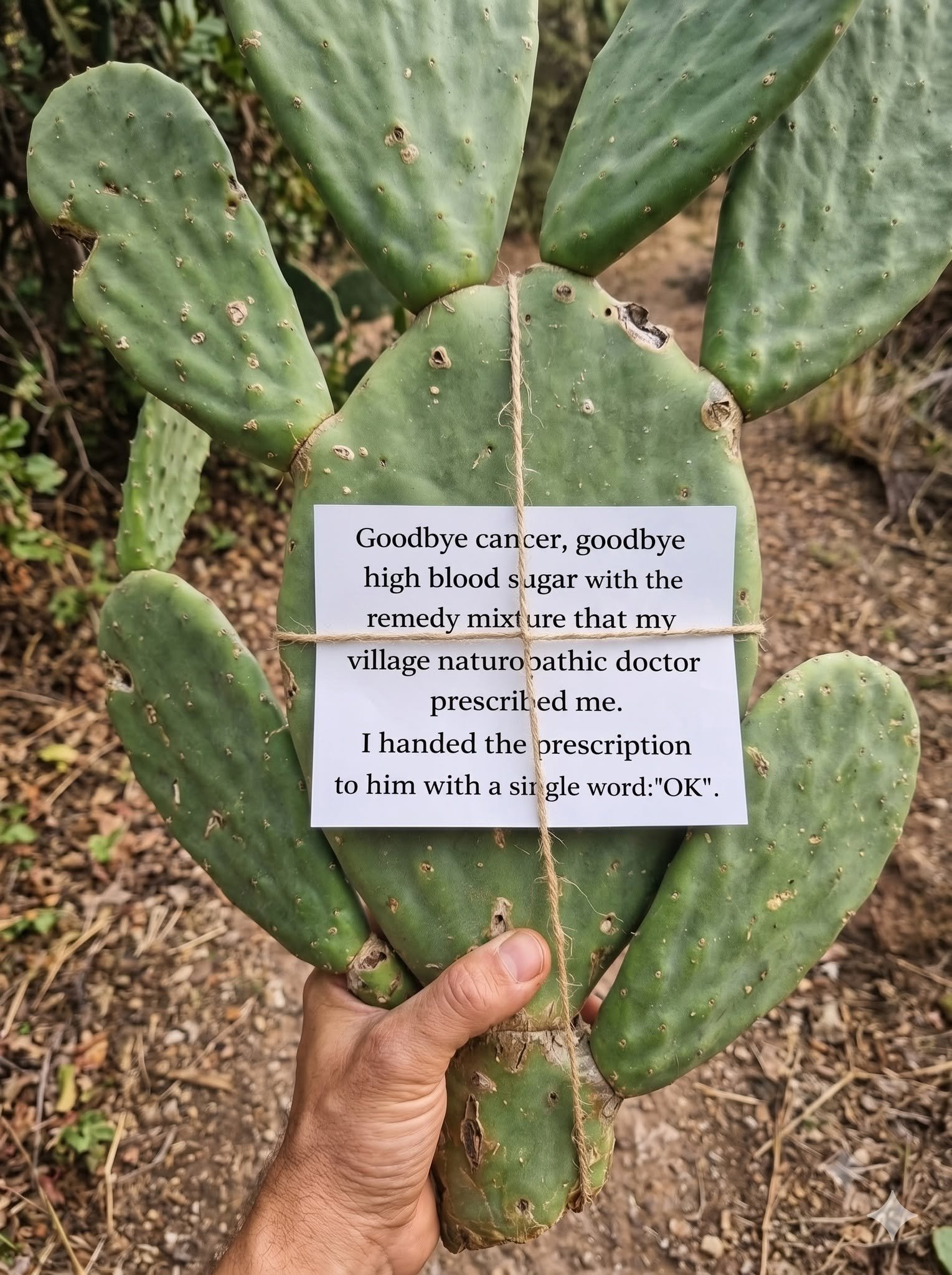
Prickly Pear Cactus for Blood Sugar: Potential Benefits, Traditional Uses, and Safety Tips
Prickly Pear Cactus for Blood Sugar: Potential Benefits, Traditional Uses, and Safety Tips
Discover the potential health benefits of prickly pear cactus, its traditional uses, and what research says about blood sugar, cancer claims, and safe consumption.
Could Prickly Pear Cactus Support Healthy Blood Sugar Levels?
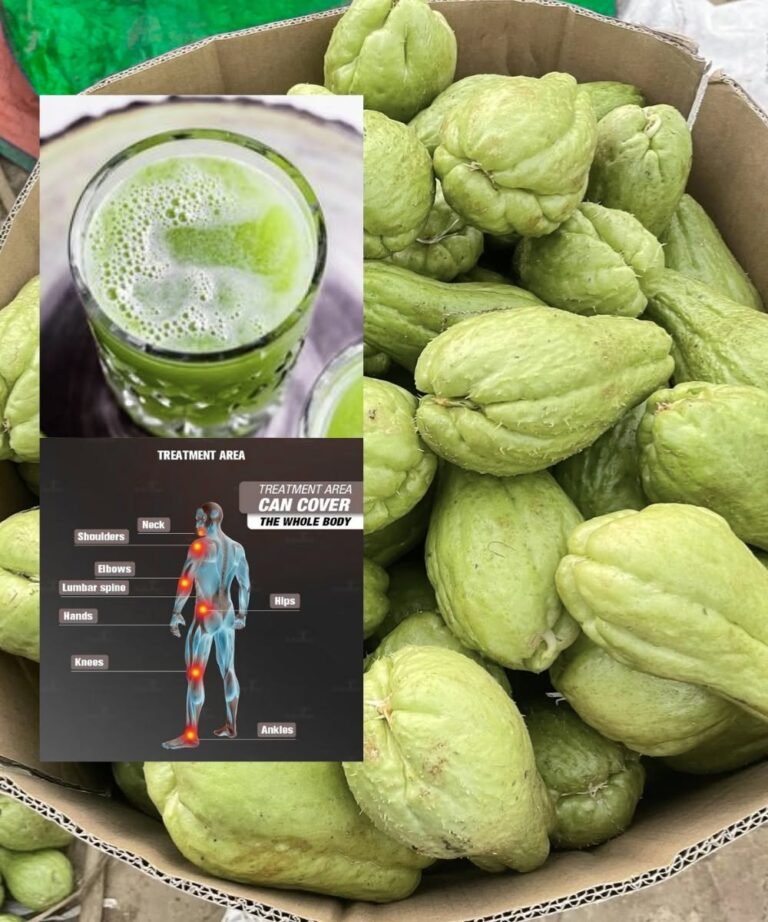
Prickly pear cactus, also known as Opuntia, is a plant traditionally used in various cultures as both a food and a natural wellness ingredient. Its thick, flat green pads are recognizable in the image above, and its edible parts have attracted interest for their nutritional properties and potential health benefits.
Some traditional wellness practices suggest that prickly pear cactus may help support healthy blood sugar levels. This has led to growing curiosity about how the plant can be incorporated into a balanced diet.
However, it is important to separate traditional beliefs from established medical evidence. Although some studies suggest that certain prickly pear preparations may influence blood glucose levels, the evidence remains limited. There is also no reliable scientific evidence that prickly pear cactus cures cancer.
Let’s explore what is known about this remarkable plant, its nutritional value, potential benefits, and important precautions.
What Is Prickly Pear Cactus?
Prickly pear cactus belongs to the Opuntia genus and grows in many warm and dry regions worldwide. It is especially familiar in Mexico, Central America, and parts of the Mediterranean.
The plant has several edible parts:
- Cactus pads (nopales): Young, flat green pads that can be cooked and eaten as vegetables.
- Prickly pear fruit: A colorful fruit that can be eaten fresh or used in juices and other foods.
- Processed cactus products: Powders, extracts, and supplements marketed for various wellness purposes.
Prickly pear cactus contains dietary fiber, water, and other naturally occurring plant compounds. Its nutritional composition varies depending on the species, growing conditions, and preparation method.
Fresh cactus pads are commonly included in traditional meals, making them a practical way to explore the plant as part of a varied diet.
5 Potential Health Benefits of Prickly Pear Cactus
1. May Help Support Healthy Blood Sugar Levels
One of the most frequently discussed potential benefits of prickly pear cactus is its possible relationship with blood glucose regulation.
Some research suggests that eating certain preparations of prickly pear pads may influence post-meal blood sugar levels. The plant’s fiber content may contribute to this effect by influencing digestion and the absorption of carbohydrates.
Nevertheless, results can vary according to the preparation, quantity consumed, and individual health circumstances. More high-quality research is needed to establish the extent and consistency of these effects.
Important: Prickly pear cactus is not a substitute for prescribed diabetes medication, medical monitoring, or a balanced eating plan. People taking blood-sugar-lowering medication should consult a healthcare professional before using concentrated cactus products because combining them with treatment could increase the risk of low blood sugar.
2. Provides Dietary Fiber
Dietary fiber supports normal digestive function and can help promote feelings of fullness.
Prickly pear pads contain fiber that can contribute to daily fiber intake when eaten as part of a balanced diet. Adequate fiber consumption is also associated with better overall digestive and metabolic health.
For a simple approach, cooked nopales can be added to salads, soups, vegetable dishes, or meals containing beans and whole grains.
3. Contains Naturally Occurring Antioxidants
Prickly pear cactus contains various plant compounds, including polyphenols and, depending on the variety, betalain pigments.
These compounds have antioxidant activity in laboratory studies. Antioxidants are of interest because they can interact with free radicals and other reactive molecules.
However, laboratory findings do not automatically translate into proven health outcomes in humans. Eating antioxidant-containing foods can contribute to a nutritious diet, but no single plant food can prevent or treat every disease.
4. Can Contribute to a Heart-Healthy Eating Pattern
The fiber and other nutrients found in prickly pear cactus may make it a useful addition to a varied, plant-rich diet.
A heart-conscious eating pattern generally emphasizes vegetables, fruits, legumes, whole grains, nuts, and appropriate sources of protein while limiting excess sodium, added sugars, and highly processed foods.
Prickly pear cactus can fit into this approach, but evidence is insufficient to conclude that eating it alone prevents cardiovascular disease or replaces cholesterol- or blood-pressure-lowering treatment.
5. Supports Dietary Variety and Hydration
Prickly pear pads contain substantial water and can provide variety in meals.
Eating a range of vegetables helps supply different nutrients and plant compounds. Cactus pads can be prepared grilled, boiled, sautéed, or mixed with other vegetables.
Although the plant contributes water through food, it should not be considered a special detoxification remedy. The body relies on the kidneys, liver, digestive system, and other organs to process and eliminate waste.
Can Prickly Pear Cactus Cure Cancer?
Claims that a natural mixture can make cancer disappear are appealing, particularly to people seeking gentle or affordable health options. However, these claims require careful evaluation.
There is currently no reliable clinical evidence that prickly pear cactus cures cancer or can replace cancer treatment.
Some compounds found in plants are investigated in laboratory research for their biological activity. Such studies can help researchers identify promising areas for future investigation, but they do not demonstrate that eating the plant or drinking a homemade mixture will treat cancer in people.
Anyone diagnosed with cancer should discuss dietary supplements and herbal preparations with their oncology team. Some products may interact with medicines or affect treatment safety.
A nutritious diet can support general well-being during cancer care, but it should complement—not replace—evidence-based treatment.
How to Enjoy Prickly Pear Cactus as Food
If prickly pear cactus is available in your area, its edible pads can be prepared as a vegetable.
Ingredients
- 1–2 cleaned young prickly pear cactus pads (nopales)
- 1 small tomato, chopped
- ¼ onion, chopped
- 1 teaspoon olive oil
- A small amount of lemon juice, if desired
- A pinch of salt, according to dietary needs
Preparation
- Purchase cactus pads that have been properly cleaned, or carefully remove all spines and glochids using appropriate tools.
- Rinse the pads thoroughly and cut them into small strips.
- Boil or sauté the strips until tender.
- Add the tomato and onion and cook until softened.
- Finish with a little olive oil and lemon juice.
- Serve as a vegetable side dish alongside a balanced meal.
Safety note: Cactus spines and tiny hair-like glochids can irritate the skin, mouth, and digestive tract. Use properly prepared edible cactus and avoid consuming parts that may still contain spines.
This recipe is a food preparation, not a treatment for diabetes, cancer, or any other medical condition.
Who Should Be Careful When Using Prickly Pear Cactus?
Although edible prickly pear cactus is consumed as food in many cultures, some precautions are important.
- People with diabetes: Monitor blood glucose as advised by a healthcare professional, especially if using concentrated extracts or supplements.
- People taking medication: Ask a pharmacist or healthcare professional about possible interactions before starting supplements.
- People with digestive sensitivity: Sudden increases in fiber may cause bloating, gas, or changes in bowel habits.
- Pregnant or breastfeeding individuals: Seek professional advice before using concentrated herbal products because safety data may be limited.
- People preparing fresh cactus: Ensure that all spines and glochids are completely removed before eating.
If you experience unusual symptoms after consuming a cactus preparation, stop using it and seek medical advice when appropriate.
Healthy Blood Sugar Habits That Have Better Evidence
For people concerned about high blood sugar, sustainable daily habits are more dependable than relying on a single traditional remedy.
Consider these practical steps:
- Build balanced meals: Include non-starchy vegetables, suitable protein sources, fiber-rich carbohydrates, and healthy fats.
- Choose high-fiber foods: Beans, lentils, oats, vegetables, and whole fruits can contribute to a balanced eating pattern.
- Stay physically active: Regular movement can support glucose regulation and overall health.
- Follow recommended testing: Blood glucose and HbA1c testing can help identify and monitor blood sugar problems.
- Take prescribed medication as directed: Do not stop or reduce medication because of claims about a natural remedy.
- Prioritize sleep and regular routines: Consistent sleep and sustainable lifestyle habits support general metabolic health.
Anyone experiencing excessive thirst, frequent urination, unexplained weight loss, or persistent fatigue should seek medical evaluation rather than relying on an herbal mixture.
Frequently Asked Questions
Does prickly pear cactus lower blood sugar?
Some research suggests that certain preparations may affect blood glucose, particularly after meals. However, evidence is limited, and the plant should not replace established diabetes care.
Can prickly pear cactus eliminate cancer?
No. There is no reliable clinical evidence that prickly pear cactus cures cancer. People receiving cancer treatment should consult their healthcare team before using supplements or herbal remedies.
Can I drink prickly pear cactus juice every day?
Safety depends on the product, preparation, quantity, and your health circumstances. Whole edible cactus prepared safely as food is different from a concentrated extract or supplement. Seek professional advice if you have a medical condition or take medication.
Is fresh cactus better than cactus supplements?
Fresh, properly prepared cactus can be a food source of fiber and other nutrients. Supplements may contain concentrated ingredients and can vary in quality. Neither form should be considered a proven treatment for cancer or diabetes.
Can I combine prickly pear cactus with diabetes medication?
Do not assume the combination is safe. Because some preparations may affect blood glucose, consult your healthcare professional before combining them with medication.
Final Thoughts
Prickly pear cactus is a traditional food with nutritional value and potential health benefits worth studying. Its fiber and naturally occurring plant compounds make it an interesting addition to a varied diet, while preliminary research into blood sugar deserves further investigation.
However, claims that a cactus mixture can cure cancer or eliminate hyperglycemia are not supported by sufficient clinical evidence.
The most responsible approach is to enjoy edible cactus as food when properly prepared, maintain healthy daily habits, and seek qualified medical care for blood sugar problems or cancer.
Natural foods can be part of a healthy lifestyle, but no single ingredient should be presented as a guaranteed cure.