Vaseline + Skin Tags: The Friction Shield Nobody Talks About
When a tiny skin tag turns into a daily snag
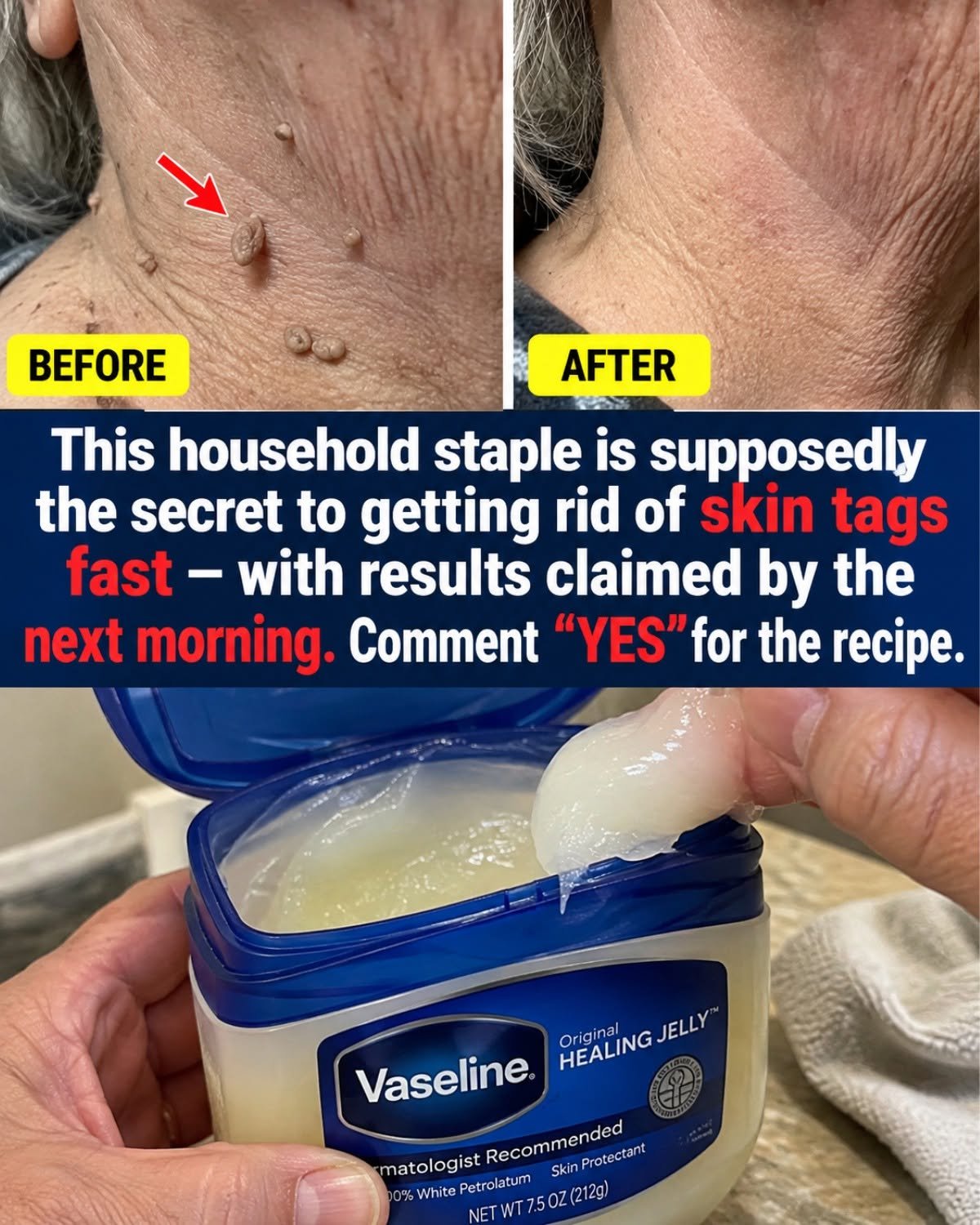
Vaseline does one brutal, useful thing around a skin tag: it seals the skin, cuts the drag, and stops fabric from turning that little bump into a raw, angry hot spot. That greasy-looking film acts like a raincoat over a sidewalk in a storm — the water still falls, but the surface stops getting battered.
That matters when the tag keeps catching on a collar, a bra strap, a necklace, or the edge of a shirt. The sting is not just in the bump itself; it is in the repeated scraping that wakes the area up over and over, like a loose thread on a sweater that keeps unraveling every time you brush past it.
That is why the spot feels bigger than it is. Not because the tag changed. Because the friction around it keeps lighting the skin on fire.
And that is the part most people miss: the real fight is not the tag alone. It is the dry, irritated skin around it, and what happens next is uglier than the little bump itself…
The friction loop that keeps the skin tag angry
The body does not love repeated mechanical abuse. Once the skin around a tag dries out, it gets rougher, tighter, and easier to catch, like a doorframe that keeps getting slammed until the paint chips and the wood starts to splinter.
Then comes the next snag. Then the next. Every shirt change, every necklace shift, every arm swing becomes a tiny sandpaper pass.
That is where Vaseline changes the game. It lays down a slick barrier that keeps skin-on-skin and fabric-on-skin rubbing from grinding the area into a red, tender mess. No magic. Just a physical shield that blocks the damage before it starts.
But that shield only works if the surface underneath is prepared the right way. Skip that, and the whole thing turns sticky fast…
The seal that keeps the area from spiraling
Clean, dry skin is the foundation. Put petroleum jelly on sweat, lint, or leftover soap, and you do not get a barrier — you get a grime trap.
Used correctly, though, it acts like a seal on a cracked window. The air still moves around the room, but the draft stops hammering the same weak spot all day long. The skin stays smoother, the surface stays less reactive, and the tag stops feeling like it is under attack every time you move.
That is the real relief: not removal, but silence. The little hot pulse fades. The urge to keep checking it fades. The constant awareness starts backing off.
The first thing people notice is not some dramatic transformation. It is that the area feels less “there” every time clothing brushes across it. And once that happens, the whole problem starts changing shape…
What changes in high-friction zones
Neck, chest, underarm — those are the trouble zones. The places where collars rub, straps press, and arm movement keeps dragging the skin through the same ugly cycle.
In those spots, Vaseline works like a thin cushion between motion and skin. Think of a hinge that squeaks every time it opens. A little lubrication does not change the door — it changes the fight.
Without that buffer, the area dries out like cracked pavement. Every step across it makes the damage more obvious. With it, the surface stays slicker, smoother, and far less likely to catch on the world.
And here is the part nobody puts on a billboard: Wall Street does not build empires around a cheap jar of petroleum jelly. Not because it does not work — because it does not PAY.
That is why the simplest barrier gets ignored while people keep buying louder fixes. But the body tells a different story when the rubbing stops…
Why women feel the shift in a different way
For many women, the problem is not just the tag. It is the chain reaction: soft fabric brushes it, a bra strap presses it, then the area stays tender long after the clothes come off.
Vaseline interrupts that chain by reducing the low-grade friction that keeps the skin on edge. It is like putting felt pads under a chair leg instead of letting it scrape across the floor every time someone moves.
Once the surface stops getting irritated, the whole spot becomes easier to ignore. No more flinching when a blouse shifts. No more mirror-checking in the bathroom. No more tiny shocks that keep dragging your attention back to one annoying place.
The after-picture is simple but powerful: you get dressed, move through the day, and the tag stops hijacking every outfit change. But men run into a different trap, and that one has its own ugly rhythm…
Why men feel it when shaving keeps hitting the same spot
Men usually notice the problem when a razor keeps passing over the same raised bump. That is when the skin tag turns into a tiny trapdoor for irritation — one wrong pass and the whole area feels scraped, hot, and angry.
A thin layer of Vaseline around the spot can reduce that dry, raw feeling and keep the surrounding skin from turning into a rough patch. Think of greasing a bolt before you turn it: the motion gets smoother, and the damage drops fast.
After a few days of consistency, the skin often looks less roughed up and feels less likely to catch. The tag may still be there, but the battlefield around it gets quieter.
That is the part people underestimate. Not every win has to be dramatic. Sometimes the win is simply getting through the day without that spot screaming for attention.
And there is one habit that wipes out that win before it even starts…
The small mistake that turns comfort into irritation
Too much product. That is the sabotage move.
Smearing on a thick layer leaves the area sticky, grimy, and more annoying than before. It traps debris, grabs lint, and makes the spot feel like flypaper instead of protection. A tiny amount on clean, dry skin is enough.
Then comes the next mistake: rubbing it in over damp, unwashed skin. That turns a barrier into a mess. The surface stays tacky, the irritation lingers, and the whole point gets buried under a greasy film.
The fix is boring, and that is exactly why it works. Clean it. Dry it. Dab it lightly. Leave it alone.
One more thing changes everything, though — and it has to do with what you put on top of that spot next…
P.S. The wrong fabric can undo the whole thing
Even a perfect dab of Vaseline gets wrecked if the area is trapped under rough seams, tight waistbands, or scratchy cloth that keeps grinding the same point all day. You can see the problem in real time: a shiny smear, then a shirt edge dragging through it, then lint sticking to the spot like confetti on glue.
That is why the next layer matters so much. The right clothing choice can keep the barrier working; the wrong one turns it into a mess.
The next thing to look at is what happens when you pair that barrier with the right covering routine — because that combination changes the entire game.
This article is for informational purposes only and does not replace professional medical advice. Please consult your healthcare provider for personalized guidance.