7 Foods That May Support Healthy Blood Flow and Circulation
7 Foods That May Support Healthy Blood Flow and Circulation
Discover 7 foods that may support healthy circulation and cardiovascular health, plus what science says and important precautions to know.
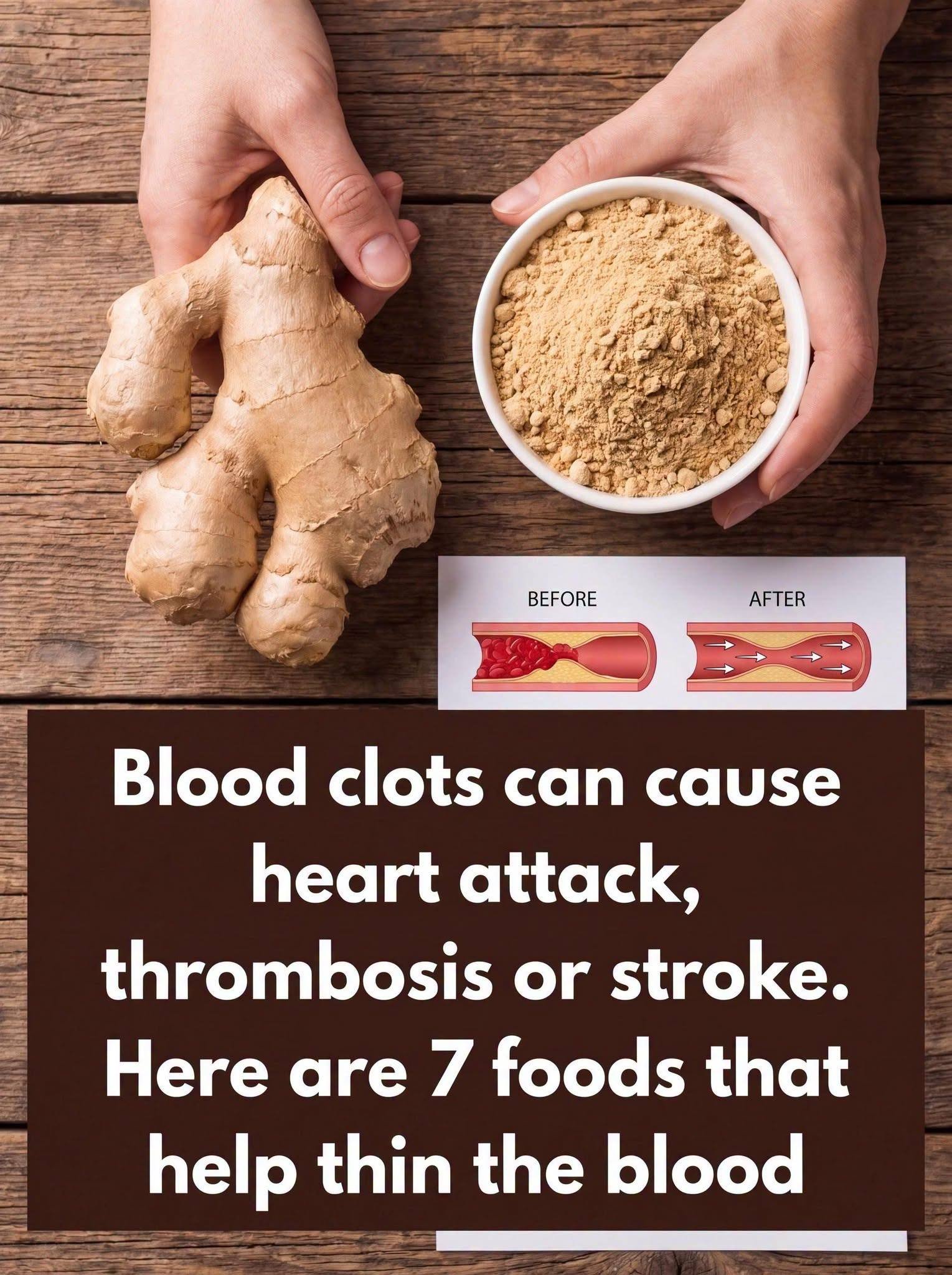
Blood clots are a normal part of the body’s healing process. They help stop bleeding after an injury. However, when a clot forms inside a blood vessel and interferes with normal blood flow, it can become a serious medical problem.
Depending on where a clot develops, it may contribute to conditions such as deep vein thrombosis (DVT), pulmonary embolism, heart attack, or ischemic stroke.
This is why maintaining healthy circulation and cardiovascular health is so important.
While no food can safely dissolve an existing blood clot or replace prescribed blood-thinning medication, some foods contain compounds that may support healthy blood vessels, normal circulation, and overall heart health.
Here are 7 foods worth including in a balanced diet.
1. Fatty Fish
Fatty fish are among the best-known foods for cardiovascular health.
Examples include:
- Salmon
- Sardines
- Mackerel
- Herring
- Trout
These fish are rich in omega-3 fatty acids, particularly EPA and DHA.
Omega-3 fats have been studied extensively for their effects on cardiovascular health. Regular consumption of fatty fish may support healthy triglyceride levels, blood vessel function, and overall heart health.
Some research has also explored the effects of omega-3 fatty acids on platelet activity and blood clotting mechanisms.
However, this does not mean eating fish can treat an existing blood clot.
How to eat more fatty fish
Try adding a serving of baked salmon or sardines to your meals several times a week. Choose grilled, baked, or steamed preparations rather than heavily fried versions.
2. Garlic
Garlic has been used traditionally for centuries, and modern research has investigated several of its potentially beneficial compounds.
One compound of particular interest is allicin, which is produced when fresh garlic is chopped or crushed.
Garlic may support cardiovascular health through several mechanisms, including effects on blood pressure, cholesterol, and platelet activity.
Some laboratory and human studies have investigated whether garlic can influence platelet aggregation. However, the evidence is not strong enough to consider garlic a natural substitute for anticoagulant or antiplatelet medication.
Simple ways to use garlic
Add freshly chopped garlic to:
- Soups
- Vegetables
- Beans
- Fish
- Salads
- Homemade sauces
Using garlic as part of a healthy diet is generally more practical than consuming concentrated garlic preparations without medical guidance.
3. Ginger
Ginger is another food frequently discussed in connection with healthy circulation.
It contains bioactive compounds such as gingerols and shogaols, which have antioxidant and anti-inflammatory properties.
Research has examined ginger’s potential effects on platelet aggregation and other cardiovascular processes. However, evidence in humans remains limited, and ginger should not be considered a treatment for blood clots.
Fresh ginger can still be a flavorful addition to a heart-healthy eating pattern.
Try ginger this way
Add fresh ginger to:
- Herbal tea
- Stir-fried vegetables
- Soups
- Smoothies
- Oatmeal
- Homemade dressings
A small amount can add plenty of flavor without requiring sugar or highly processed ingredients.
etary turmeric are not equivalent to taking a medication.
Add turmeric to your meals
Turmeric works well in:
- Curries
- Vegetable soups
- Rice dishes
- Lentils
- Roasted vegetables
- Homemade golden milk
Using turmeric as a culinary spice is generally very different from taking high-dose curcumin supplements.
5. Berries
Strawberries, blueberries, raspberries, and blackberries are rich in polyphenols and other antioxidant compounds.
These compounds may help support blood vessel health and reduce oxidative stress.
A diet rich in fruits and vegetables is consistently associated with better cardiovascular health. Berries can therefore be a simple way to increase your intake of nutrient-dense plant foods.
Easy ways to eat more berries
Add berries to:
- Plain yogurt
- Oatmeal
- Smoothies
- Whole-grain cereal
- Salads
Fresh or frozen berries can both be convenient choices.
6. Leafy Green Vegetables
Leafy greens such as spinach, kale, collard greens, and Swiss chard are packed with nutrients and are an important part of many heart-healthy dietary patterns.
They provide:
- Fiber
- Folate
- Vitamin C
- Vitamin K
- Carotenoids
- Minerals
However, leafy greens require an important clarification.
Vitamin K and blood-thinning medication
Vitamin K plays an important role in normal blood clotting.
People taking warfarin, a commonly prescribed anticoagulant, generally do not need to eliminate vitamin-K-rich vegetables. Instead, healthcare professionals often recommend keeping vitamin K intake relatively consistent from day to day.
Do not dramatically increase or decrease your intake of leafy greens without discussing it with your healthcare professional if you take warfarin.
This is one reason why the idea that certain foods simply “thin the blood” can be misleading.
7. Extra-Virgin Olive Oil
Extra-virgin olive oil is a key component of the Mediterranean-style diet, which is widely associated with cardiovascular benefits.
It contains predominantly monounsaturated fat along with various plant compounds, including polyphenols.
Replacing saturated fats with unsaturated fats can be a useful dietary strategy for supporting cardiovascular health.
Instead of thinking of olive oil as a natural blood thinner, it is more accurate to view it as part of an overall eating pattern that may support healthier blood vessels and heart function.
How to use olive oil
Use extra-virgin olive oil for:
- Salad dressings
- Roasted vegetables
- Beans
- Whole grains
- Fish
- Light sautéing
The overall quality of the diet matters much more than any single ingredient.
Can These Foods Actually Dissolve Blood Clots?
This is one of the most important points to understand.
No food has been proven to safely dissolve an existing dangerous blood clot in the same way that medical clot-dissolving treatments or prescribed medications can.
If a blood clot is suspected, relying on garlic, ginger, turmeric, or another food instead of seeking medical care can be dangerous.
Blood clots can require urgent evaluation and treatment depending on their location and severity.
Foods are better viewed as part of a long-term strategy for supporting cardiovascular health, rather than as a treatment for an active clot.
Foods and Supplements Require Extra Caution With Blood Thinners
If you take anticoagulant or antiplatelet medication, dietary changes and supplements deserve special attention.
Examples of medications include:
- Warfarin
- Apixaban
- Rivaroxaban
- Dabigatran
- Clopidogrel
- Aspirin
Certain foods and supplements may affect bleeding risk, medication metabolism, or blood clotting pathways.
This does not mean you have to avoid healthy foods. It means you should tell your healthcare professional about supplements, concentrated herbal products, and major dietary changes.
In particular, concentrated supplements containing garlic, ginger, turmeric, fish oil, or similar compounds may behave differently from ordinary amounts used in cooking.
What About Foods That May Increase Cardiovascular Risk?
Supporting healthy circulation is not only about adding beneficial foods. It is also about limiting dietary patterns that can negatively affect cardiovascular health.
Consider reducing excessive intake of:
- Highly processed foods
- Trans fats
- Excess sodium
- Added sugars
- Highly processed meats
- Excessive alcohol
- Foods high in saturated fat
Instead, build meals around vegetables, fruits, legumes, whole grains, fish, nuts, seeds, and healthy unsaturated fats.
A Simple Heart-Healthy Plate
You don’t need to eat all seven foods every day.
A simple meal could include:
½ plate: vegetables
¼ plate: protein such as fish, beans, or poultry
¼ plate: whole grains or another minimally processed carbohydrate
Healthy fat: a small amount of extra-virgin olive oil, nuts, or seeds
This type of eating pattern provides a broad range of nutrients rather than relying on a single “blood-thinning” food.
When Should You Seek Urgent Medical Attention?
A suspected blood clot should never be treated with food alone.
Seek urgent medical attention if you experience symptoms such as:
Possible stroke symptoms
- Sudden weakness or numbness, especially on one side
- Sudden difficulty speaking or understanding speech
- Sudden vision problems
- Sudden loss of balance or coordination
- A sudden, severe headache without an obvious cause
Possible pulmonary embolism symptoms
- Sudden shortness of breath
- Chest pain, especially with breathing
- Rapid heartbeat
- Coughing up blood
- Fainting or severe dizziness
Possible deep vein thrombosis symptoms
- Swelling in one leg
- Unexplained pain or tenderness in the calf or thigh
- Warmth or redness over part of the leg
These symptoms can have other causes, but potentially serious conditions should be evaluated promptly.
The Bottom Line
There is no magic food that can “thin your blood” enough to prevent or dissolve a dangerous blood clot.
However, foods such as fatty fish, garlic, ginger, turmeric, berries, leafy green vegetables, and extra-virgin olive oil can fit into a balanced eating pattern that supports cardiovascular and vascular health.
The most important approach is to focus on the overall diet and lifestyle, rather than expecting one ingredient to provide a medical effect.
If you are taking blood-thinning medication, have a history of blood clots, or have been advised to follow a specific diet, talk with your healthcare professional before making major dietary changes or taking concentrated supplements.
Healthy circulation starts with the bigger picture: nutritious food, regular physical activity, healthy blood pressure and cholesterol levels, avoiding smoking, and appropriate medical care when needed.