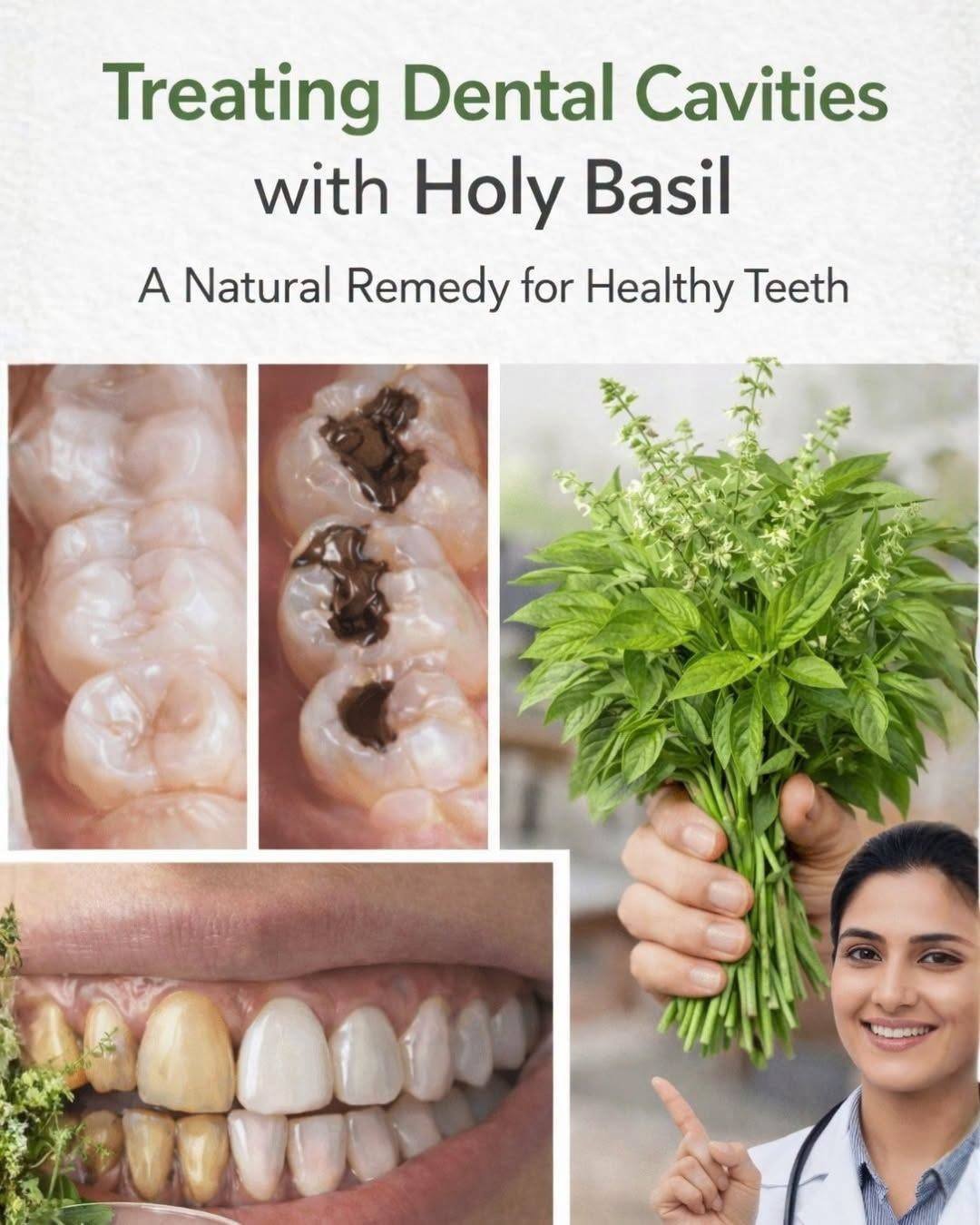
Unlock a Fresher Smile: How Tulsi (Holy Basil) Can Transform Your Daily Oral Care Routine
Unlock a Fresher Smile: How Tulsi (Holy Basil) Can Transform Your Daily Oral Care Routine
Abright smile and fresh breath are often the first things people notice. While conventional toothpaste and mouthwash help maintain oral hygiene, many people are now turning to natural solutions for gentler and more holistic care. One herbal remedy gaining attention is Tulsi, also known as Holy Basil (Ocimum sanctum).
Used for centuries in Ayurvedic medicine, this powerful plant offers antibacterial, anti-inflammatory, and antioxidant benefits that support healthier teeth and gums. Modern research now suggests Tulsi may help fight plaque, gum inflammation, and bad breath—making it a promising natural addition to your daily oral care routine.
What Is Tulsi (Holy Basil)?
Tulsi is an aromatic herb native to India and widely respected in traditional medicine systems. Often referred to as the “Queen of Herbs,” it has long been used to support immunity, reduce stress, and treat infections.
But Tulsi’s benefits extend beyond general wellness. In dental care, its natural compounds help protect the mouth from harmful bacteria while promoting gum health. Studies have found that Tulsi extracts possess strong antimicrobial properties against several oral pathogens responsible for plaque, cavities, and gum disease.
These properties make Tulsi a valuable herbal ally for maintaining a clean and balanced oral environment.
Why Oral Health Matters More Than You Think
Oral health is not just about having white teeth—it plays a crucial role in overall well-being. Poor dental hygiene can lead to issues such as:
Gum disease (gingivitis and periodontitis)
Persistent bad breath
Tooth decay and cavities
Oral infections
When harmful bacteria accumulate in the mouth, they create plaque and inflammation. Over time, this can damage gums and teeth. Some research even links poor oral health to systemic conditions like heart disease and diabetes.
This is where natural antibacterial herbs like Tulsi may help support daily dental care.
Powerful Oral Health Benefits of Tulsi
1. Natural Antibacterial Protection
Tulsi contains essential oils and phytochemicals that fight harmful microorganisms in the mouth. Laboratory studies show Tulsi extracts can inhibit bacteria involved in periodontal disease and plaque formation.
By controlling these microbes, Tulsi may help reduce plaque buildup and support healthier gums.
2. Helps Reduce Plaque and Gingivitis
Plaque accumulation is one of the main causes of gum inflammation. Research comparing Tulsi mouthwash with conventional dental rinses found that Tulsi significantly reduced plaque and gingivitis levels over time.
This suggests that Tulsi-based rinses could serve as a natural complement to standard oral hygiene routines.
3. Freshens Breath Naturally
Bad breath (halitosis) often occurs when bacteria break down food particles in the mouth. Tulsi’s antimicrobial properties help target odor-causing bacteria, which may reduce unpleasant breath.
In traditional practices, people chew fresh Tulsi leaves or gargle Tulsi tea to keep their breath fresh and their mouth clean.
4. Supports Healthy Gums
Inflammation is a major factor in gum disease. Tulsi contains natural anti-inflammatory compounds that help soothe irritated gums and promote healing.
Chewing Tulsi leaves releases natural oils that help cleanse the mouth while supporting healthy gum tissues.
Over time, this may help reduce swelling, bleeding, and sensitivity in the gums.
5. Helps Protect Against Cavities
Tooth decay develops when bacteria produce acids that damage tooth enamel. Tulsi has been shown to destroy bacteria responsible for dental cavities and plaque formation.
By reducing harmful microbes, Tulsi may help protect enamel and support stronger teeth.
Easy Ways to Use Tulsi for Oral Care
Adding Tulsi to your dental routine is simple and affordable. Here are several easy methods:
1. Tulsi Mouth Rinse
A Tulsi mouth rinse can help freshen breath and reduce oral bacteria.
How to make it:
Boil a handful of fresh Tulsi leaves in water.
Let the liquid cool.
Strain and use it as a mouth rinse.
Gargle for about 30 seconds before spitting it out.
2. Chewing Fresh Tulsi Leaves
One of the easiest methods is simply chewing a few fresh leaves each morning.
This releases natural oils that help cleanse the mouth and fight bacteria.
3. Tulsi Tooth Powder
Traditional Ayurvedic practices often use herbal tooth powders.
Simple method:
Dry Tulsi leaves in sunlight.
Grind them into a fine powder.
Mix with a pinch of salt or baking soda.
Use it to brush your teeth gently.
4. Herbal Toothpaste with Tulsi
Many natural toothpaste brands now include Tulsi extract for its antibacterial properties. These formulas combine Tulsi with other herbs like neem, clove, and mint for a complete herbal oral care solution.
Why Natural Oral Care Is Becoming Popular
Consumers are becoming more aware of the potential downsides of harsh chemical mouthwashes and synthetic additives. Some traditional mouth rinses can disrupt the natural balance of bacteria in the mouth.
Herbal solutions like Tulsi provide a gentler alternative while still offering antimicrobial benefits. Some researchers even suggest herbal mouthwashes can perform similarly to conventional options while causing fewer side effects.
This growing interest in plant-based wellness is fueling the popularity of natural oral care products.
Tips for Maintaining a Healthy Smile
Tulsi can support oral health, but it works best alongside good dental habits:
Brush twice daily with fluoride or herbal toothpaste
Floss regularly
Drink plenty of water
Limit sugary foods and drinks
Visit your dentist for routine checkups
Combining modern dental care with natural remedies can help create a balanced and effective oral hygiene routine.
Final Thoughts
Tulsi, or Holy Basil, is much more than a sacred herb—it’s a powerful natural ally for oral health. Its antibacterial, anti-inflammatory, and breath-freshening properties make it a valuable addition to your daily dental routine.
From reducing plaque and gingivitis to fighting bad breath and supporting healthy gums, this ancient herb offers a simple and natural way to care for your smile.
If you’re looking for a gentle, plant-based way to enhance your oral hygiene routine, Tulsi might be the refreshing solution your smile has been waiting for.