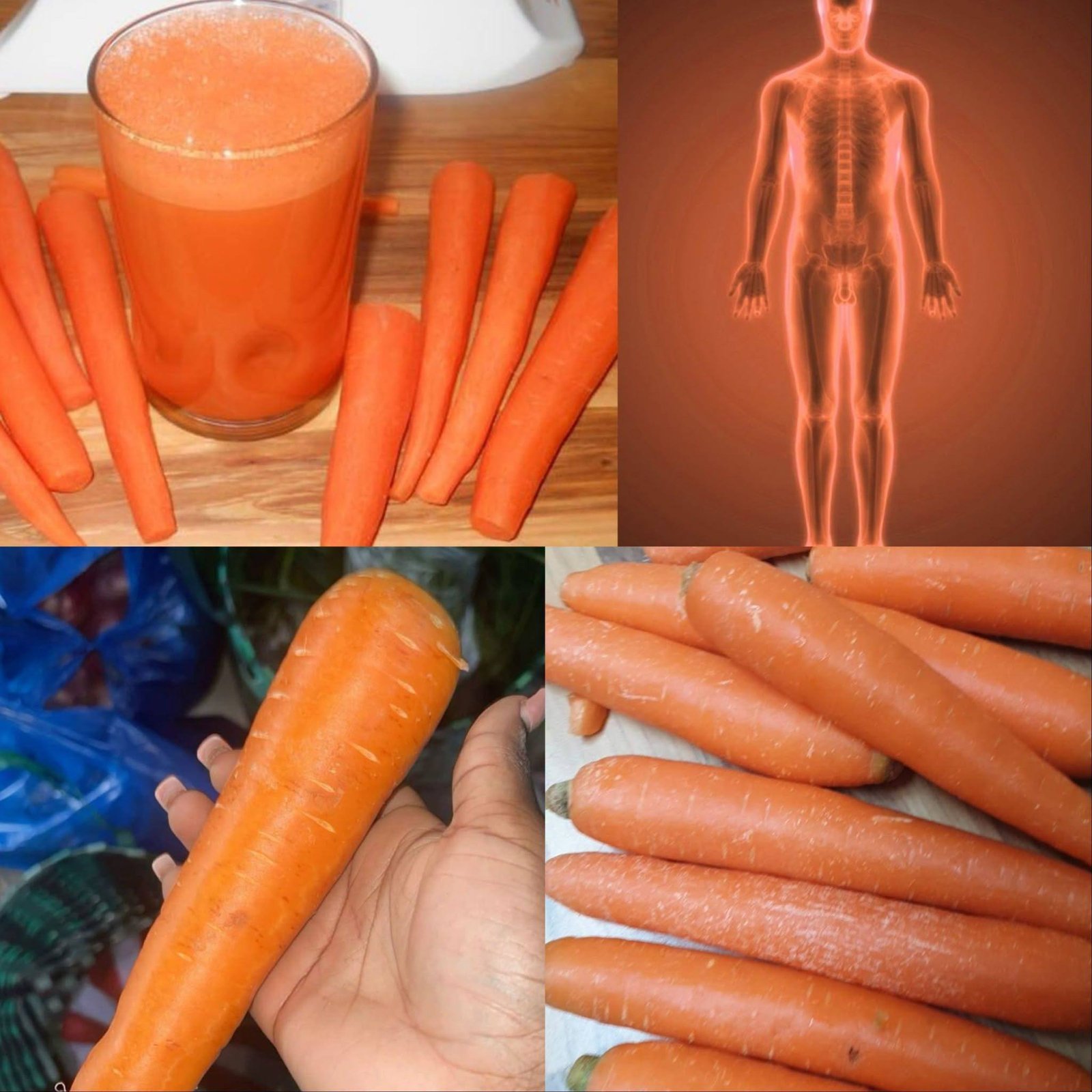
10 Amazing Health Benefits Of Carrots
For years, I thought of carrots as little more than a crunchy vegetable that happened to be “good for the eyes.” I would slice them into soups, grate them into salads, or occasionally drink a glass of carrot juice without thinking much about what was actually inside that bright orange root. But carrots deserve a little more attention. Their color comes largely from carotenoids such as beta-carotene, and they also provide fiber, potassium, vitamin K1, vitamin B6 and other plant compounds.
1. They Support Normal Vision
This is the benefit everyone associates with carrots, and there is a good reason for it. Carrots are particularly rich in beta-carotene, which the body can convert into vitamin A.
Vitamin A is essential for normal vision and is especially important for the eye’s ability to function in low-light conditions. Getting enough vitamin A also helps maintain the normal surface tissues of the eyes.
Carrots won’t normally make an already healthy person’s eyesight suddenly sharper, but they can be a valuable source of nutrients required for maintaining normal eye function.
2. They Provide Powerful Antioxidant Compounds
Carrots contain several carotenoids and other plant compounds with antioxidant activity. Antioxidants help protect cells from oxidative damage caused by unstable molecules known as free radicals.
Orange carrots are particularly well known for beta-carotene, while other carrot varieties—including purple, yellow and red carrots—contain somewhat different combinations of plant pigments.
That makes the humble carrot much more nutritionally interesting than its simple appearance suggests.
3. They Support Digestive Health
One medium raw carrot provides dietary fiber, something we lose much of when carrots are turned into juice.
Fiber helps support normal bowel function and contributes to a healthy digestive system. This is one reason I like keeping whole carrots in the diet even when enjoying carrot juice occasionally.
A grated carrot salad, roasted carrots or simply a raw carrot alongside lunch provides the fiber that juice cannot fully replace.
4. They Can Help With Feeling Satisfied After Eating
Carrots have a useful combination: they contain plenty of water and relatively few calories while still providing fiber.
That means they can add considerable volume and texture to a meal without making it particularly calorie-dense. The crunch also forces us to slow down compared with drinking the same ingredients as juice.
Adding sliced or roasted carrots to a meal can therefore make it more substantial and satisfying.
5. They Support Normal Immune Function
Here again, vitamin A matters.
Vitamin A contributes to the normal functioning of the immune system and helps maintain the body’s epithelial tissues—the protective surfaces that form barriers between us and the outside environment.
Carrots aren’t an “immune booster” in the sense of instantly preventing illness, but they provide nutrients the immune system genuinely uses.
6. They Can Be Part of a Heart-Healthy Diet
Carrots provide potassium, a mineral involved in normal blood-pressure regulation, while their fiber contributes to the overall nutritional pattern associated with cardiovascular health.
The bigger picture matters here. No single vegetable can protect the heart by itself. But replacing some highly processed foods with vegetables such as carrots is exactly the sort of small dietary habit that can add up over time.
7. They Support Healthy Skin
Carrots sometimes receive extravagant claims about removing wrinkles or making someone look decades younger. Their real contribution is simpler.
Vitamin A is involved in normal cell differentiation and the maintenance of healthy tissues, including skin. Carotenoids also have antioxidant properties.
So carrots certainly deserve a place in a diet designed to support healthy skin—even though eating them isn’t the same thing as applying a cosmetic treatment.
8. They Can Fit Well Into Blood-Sugar-Conscious Meals
The naturally sweet taste of carrots sometimes causes people to assume that they should be avoided when watching blood sugar. Whole carrots, however, contain fiber and can comfortably fit into many balanced eating patterns.
Preparation matters. Drinking a large quantity of carrot juice isn’t nutritionally identical to eating several whole carrots because juicing removes much of their fiber.
For everyday eating, I particularly like whole raw, steamed or roasted carrots paired with protein and other vegetables.
9. They Provide Nutrients Important for Bone Health
Carrots contain vitamin K1, along with smaller amounts of several other micronutrients.
Vitamin K contributes to the maintenance of normal bones and normal blood clotting. Carrots shouldn’t be considered a complete “bone food” on their own, but they can contribute to the broad variety of nutrients we obtain from vegetables.
It is another example of why carrots offer considerably more than beta-carotene alone.
10. They’re an Incredibly Easy Vegetable to Eat Regularly
This final benefit may sound almost too simple, but I think it is one of the most important.
A nutritious food isn’t particularly helpful if it’s so expensive, complicated or unpleasant that we rarely eat it. Carrots are inexpensive, widely available, naturally sweet and remarkably versatile.
They can be eaten raw, steamed, roasted, grated, blended into soup or occasionally juiced. They also keep considerably longer than many delicate vegetables.
My Simple Carrot Recipe
One of my favorite ways to enjoy them requires almost no work.
Take 3 medium carrots, grate them finely and add a squeeze of fresh lemon juice and 1 teaspoon of extra-virgin olive oil. Toss everything together and leave it for about five minutes before eating.
The small amount of fat isn’t there merely for flavor. Beta-carotene is fat-soluble, so consuming carotenoid-rich vegetables alongside dietary fat can improve carotenoid absorption.
The result is fresh, crunchy and naturally sweet.
Carrots don’t need miracle claims to be impressive. Their real strengths are already enough: beta-carotene for vitamin A, fiber for digestion, potassium, vitamin K1 and an array of protective plant compounds—all packed into one of the simplest vegetables we can put on the table.