9 Common Menopause Signs Your Body May Be Trying to Tell You About
9 Common Menopause Signs Your Body May Be Trying to Tell You About
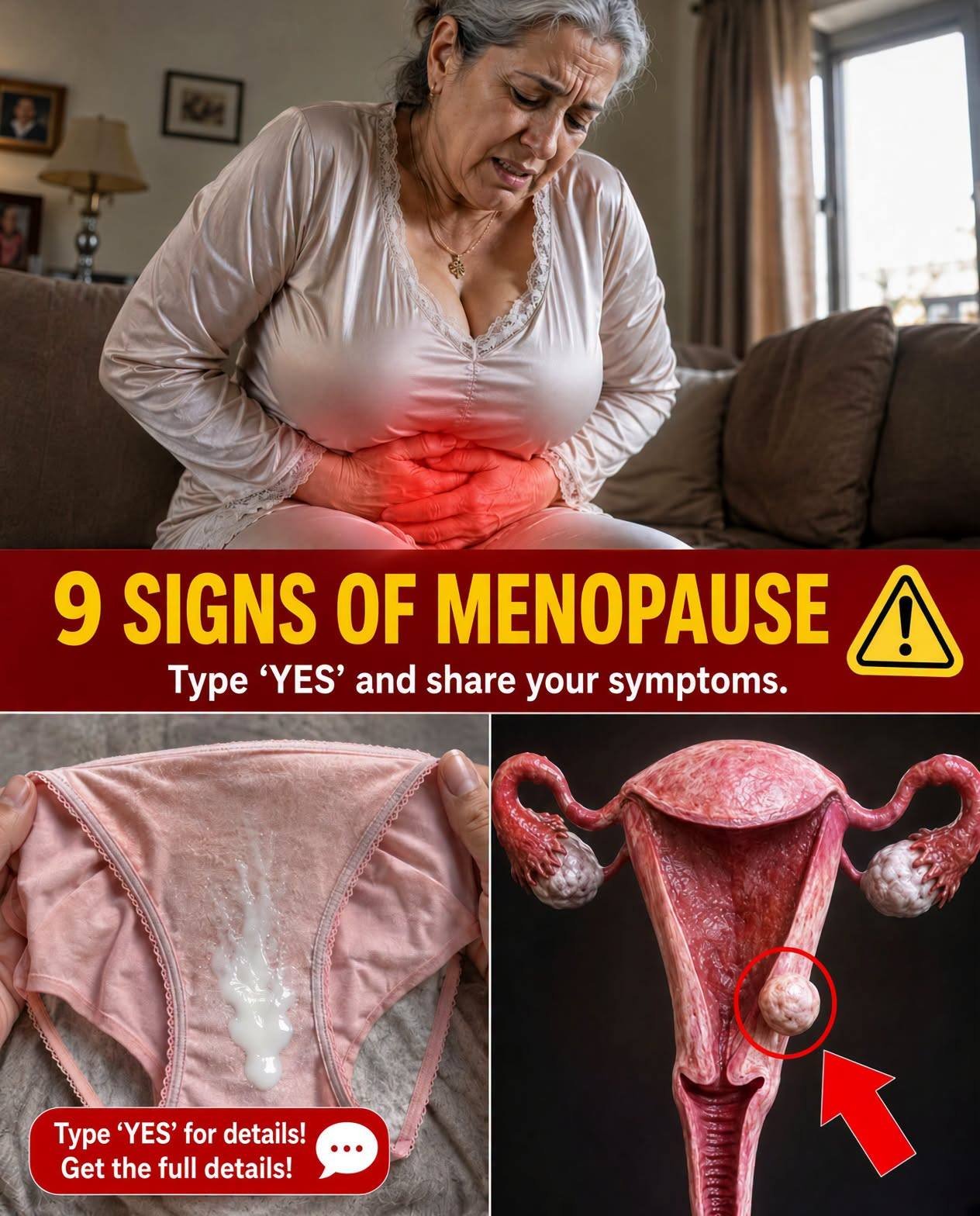
Menopause is a natural stage of life, but the transition can feel surprisingly different from one woman to another. While hot flashes are probably the best-known symptom, hormonal changes around menopause may influence sleep, mood, concentration, intimate comfort, bladder habits, bones, and body composition.
Recognizing these changes can make them easier to understand and discuss with a healthcare professional. They do not necessarily mean that something is wrong, and not every woman experiences all of them.
Here are nine common changes associated with menopause and perimenopause and some gentle ways to support your well-being during this stage.
1. Hot Flashes
A sudden feeling of warmth across the face, neck, or chest is one of the most recognizable menopause symptoms.
Hot flashes are thought to be related to hormonal changes affecting the body’s temperature-regulating system. They may last only a few minutes, but their frequency and intensity can vary considerably.
Some women find it helpful to wear breathable layers, keep the bedroom cool, drink enough water, and notice whether certain personal triggers—such as alcohol, spicy meals, or very hot drinks—seem to make symptoms more noticeable.
2. Night Sweats
Hot flashes that occur during sleep are commonly called night sweats.
For some women, they are mild. For others, they can interrupt sleep several times during the night.
Keeping bedding lightweight and maintaining a comfortable bedroom temperature may help with nighttime comfort. If night sweats are severe, persistent, or unexplained, it is worth discussing them with a healthcare professional because menopause isn’t their only possible cause.
3. Changes in Sleep
You may suddenly find yourself awake at 2 or 3 a.m., even if you previously slept well.
Hormonal changes, hot flashes, stress, mood changes, and everyday lifestyle factors can all influence sleep during the menopause transition.
A regular sleep schedule, morning daylight, daytime physical activity, and limiting caffeine later in the day are simple habits that may support better sleep.
Persistent insomnia deserves attention rather than simply being accepted as an unavoidable part of aging.
4. Brain Fog and Concentration Changes
Walking into a room and forgetting why you went there? Struggling to remember a familiar word?
Many women describe temporary changes in memory or concentration during perimenopause and menopause.
Hormones may play a role, but sleep quality, stress, workload, and emotional well-being can also influence mental sharpness.
Regular exercise, sufficient sleep, balanced meals, and giving yourself opportunities to mentally recharge can all support general cognitive health.
New, severe, or progressively worsening memory problems should not automatically be attributed to menopause and should be medically evaluated.
5. Mood Changes
Some women notice that they feel more irritable, anxious, emotional, or simply different from their usual selves.
The menopause transition can coincide with substantial hormonal fluctuations, while disrupted sleep and everyday stresses may further affect emotional well-being.
This doesn’t mean every mood change is caused by menopause. However, recognizing that physical and emotional health are closely connected can make it easier to seek appropriate support.
If sadness, anxiety, or other mood changes become persistent or interfere with everyday life, professional support can be especially valuable.
6. Vaginal Dryness or Intimate Discomfort
This symptom is common but isn’t always discussed openly.
Lower estrogen levels can contribute to changes in vaginal and vulvar tissues, potentially resulting in dryness, irritation, burning, or discomfort during sexual activity.
These symptoms are sometimes included under the term genitourinary syndrome of menopause (GSM).
Vaginal moisturizers and lubricants may improve comfort for some women, while additional medical options are available when symptoms are persistent. A healthcare professional can help determine which approach is appropriate.
There is no need to simply tolerate ongoing discomfort.
7. Changes in Bladder Habits
Menopause-related changes may also affect the urinary tract and pelvic area.
Some women experience increased urinary urgency or frequency, while others notice occasional leakage when laughing, coughing, exercising, or sneezing.
Pelvic-floor exercises can be helpful for some bladder symptoms, and professional pelvic-floor therapy is another option.
Because urinary symptoms can also have other causes, new or persistent problems—particularly burning, pain, fever, or blood in the urine—should be assessed appropriately.
8. Changes in Bone Health
Unlike a hot flash, declining bone density usually cannot be felt.
Estrogen contributes to maintaining bone health, and bone loss may accelerate around and after menopause. That makes long-term bone care increasingly important.
Weight-bearing activities such as walking, together with resistance exercise, can support bones and muscles. Adequate protein, calcium, vitamin D, and overall nutrition also matter.
Depending on age and individual risk factors, a healthcare professional may recommend a bone-density assessment.
9. Changes Around the Waistline and Body Composition
Another frequently noticed change is that maintaining the same body composition can become more difficult.
Some women notice more fat accumulating around the abdominal area or find that strategies that worked years earlier are no longer as effective.
Hormones are only part of the picture.
Age-related changes in muscle mass, physical activity, sleep, nutrition, genetics, and overall lifestyle can all contribute.
Rather than focusing on rapid weight-loss approaches, it may be more useful to prioritize maintaining muscle, staying active, eating nutritious foods, and developing habits that are sustainable over time.
What About Heart Palpitations?
Some women also report becoming more aware of their heartbeat during perimenopause or menopause, particularly around hot flashes or periods of anxiety.
However, palpitations should not automatically be assumed to be hormonal.
Seek prompt medical attention for a new or concerning racing or irregular heartbeat, particularly when it occurs alongside chest pain, fainting, significant dizziness, or shortness of breath.
Nutrition During Menopause: Keep It Simple
There is no single mineral, supplement, tea, or food combination that can “reset” menopause.
Instead, everyday nutrition can focus on foods that provide the nutrients the body needs during this stage.
Calcium and vitamin D are particularly important for bone health, while adequate protein helps maintain muscle. Fruits, vegetables, whole grains, legumes, nuts, seeds, and sources of unsaturated fats can contribute fiber and a broad range of nutrients.
Hydration matters too, especially when hot flashes and night sweats are uncomfortable.
Supplements aren’t automatically necessary for everyone. Individual requirements can vary, so it is sensible to discuss supplements with a healthcare professional when appropriate.
Gentle Lifestyle Habits That May Help
Menopause doesn’t require completely rebuilding your lifestyle overnight. Small, consistent habits are often more practical.
Regular walking and strength training can support muscles and bones. A consistent bedtime routine may improve sleep. Reducing smoking and excessive alcohol consumption benefits general health, while vaginal moisturizers or lubricants can improve intimate comfort for some women.
For women whose symptoms significantly affect sleep or daily life, medical treatments are also available. Depending on individual circumstances, a clinician may discuss menopausal hormone therapy or non-hormonal options, including their potential benefits and risks.
When Is It Worth Talking to a Doctor?
Menopause is natural, but that doesn’t mean every new symptom after a certain age should automatically be blamed on hormones.
Consider seeking medical advice when symptoms are unusually severe, appear suddenly, persist, or interfere significantly with everyday activities.
Unexpected vaginal bleeding—particularly bleeding after menopause—also deserves medical evaluation.
The purpose isn’t to worry about every change. It is simply to recognize when professional guidance can provide reassurance or identify something that needs attention.
A More Comfortable Way to Think About Menopause
Menopause is more than hot flashes.
Sleep may change. Mood and concentration can feel different. The bladder and intimate tissues may become more sensitive, while bone and body composition can gradually change in ways that aren’t immediately visible.
Understanding these possibilities can make this stage feel less confusing.
Most importantly, women do not need miracle remedies or dramatic promises to navigate menopause. Good nutrition, regular movement, quality sleep, appropriate healthcare, and treatments tailored to individual needs can all contribute to feeling better through the transition.
SEO Title: 9 Common Signs of Menopause Women Should Know
Meta Description: Discover 9 common menopause signs, from hot flashes and sleep changes to brain fog, bladder symptoms, intimate discomfort, and bone health, plus gentle ways to support everyday well-being.
Suggested Keywords: menopause signs, menopause symptoms, signs of perimenopause, hot flashes menopause, menopause sleep problems, menopause brain fog, menopause after 50, women’s health after 50, healthy menopause lifestyle
Disclaimer: This content is for general educational purposes only and is not intended to diagnose, treat, cure, or prevent any medical condition. Speak with a qualified healthcare professional about symptoms or treatment options that are appropriate for you.