5 Types of Eggs That May Harm Your Health (If You Eat Them the Wrong Way)
ggs are one of the most nutritious foods available—rich in protein, vitamins, and healthy fats. However, not all egg preparations are equally beneficial. In fact, certain cooking methods or poor egg quality can negatively impact your liver, gut, and cardiovascular health.
Below are 5 types of eggs you should be cautious about, especially if consumed frequently.

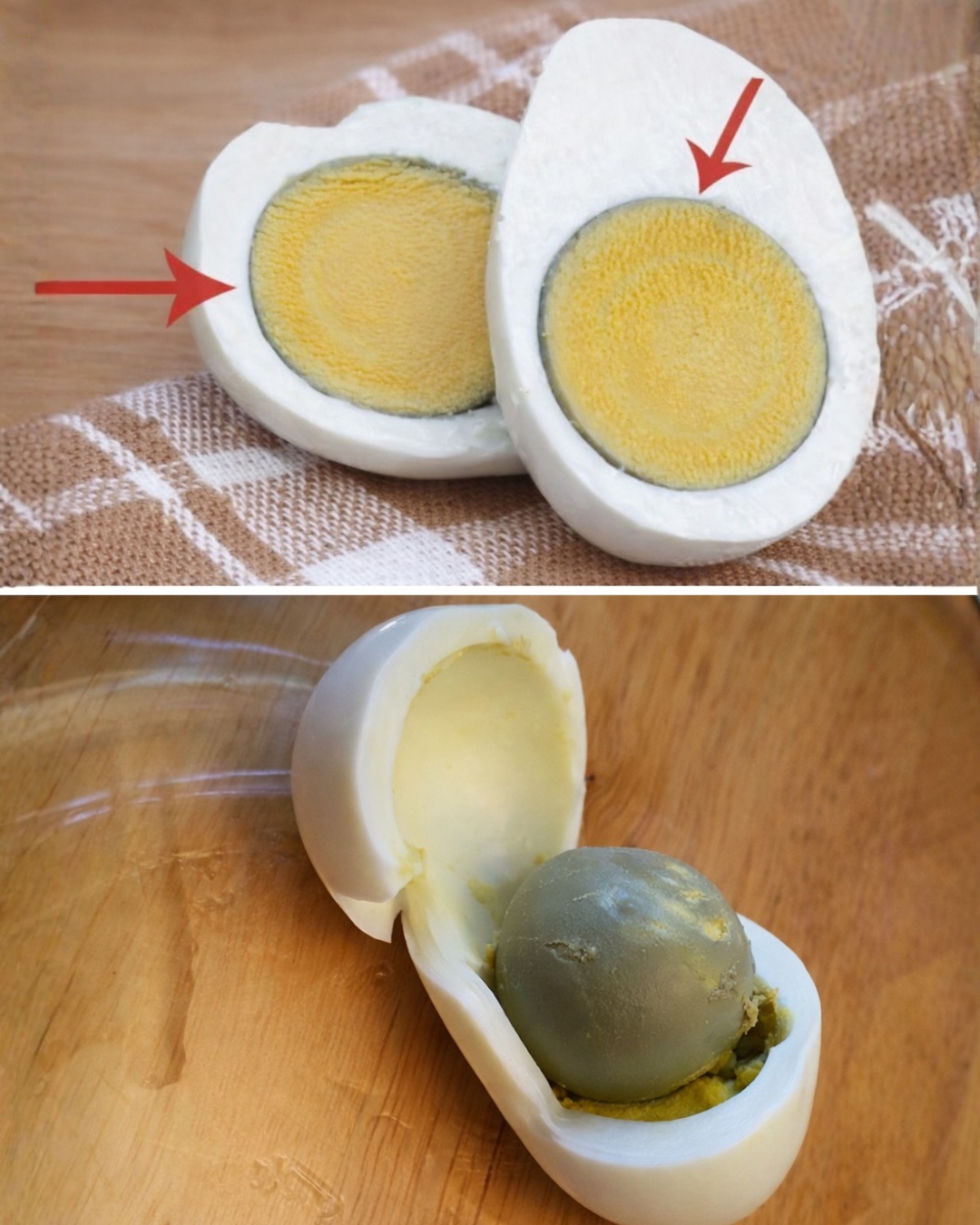
1. Overboiled Eggs with Dry, Grayish Yolks
Boiling eggs for too long can lead to a greenish-gray ring around the yolk, a sign of oxidation. This happens when sulfur in the egg white reacts with iron in the yolk due to excessive heat.
- Why it’s not ideal:
Overcooked yolks become dry and harder to digest. Some fats may also degrade, making the egg less nutritious. - Health impact:
While not toxic, these eggs may cause bloating or discomfort, especially in people with sensitive digestion.
👉 Tip: Boil eggs for about 7–9 minutes for optimal texture and nutrition.
2. Deep-Fried Eggs or Eggs Cooked in Animal Fat
Frying eggs in large amounts of oil—especially reused oil or animal fat—can significantly increase unhealthy fat content.
- Why it’s harmful:
High heat and excess oil introduce oxidized fats and saturated fats, which are linked to metabolic issues. - Health impact:
Regular consumption may:- Increase bad cholesterol (LDL)
- Promote fatty liver
- Raise risk of cardiovascular disease
👉 Tip: Use minimal oil or opt for healthier methods like poaching or soft boiling.
3. Eggs Cooked with Processed Meats (e.g., Bacon, Sausage)
Combining eggs with processed meats may taste great, but it’s not the healthiest choice.
- Why it’s risky:
Processed meats contain preservatives, sodium, and nitrates, which can be harmful over time. - Health impact:
This combination may increase the risk of:- Heart disease
- High blood pressure
- Digestive issues
👉 Tip: Pair eggs with vegetables instead of processed meats.
4. Cracked or Porous Eggs
Eggs with cracked shells or unusual texture (spongy, porous shells) should be avoided.
- Why it’s dangerous:
Cracks allow bacteria like Salmonella to enter the egg. - Health impact:
Consuming contaminated eggs may cause:- Food poisoning
- Diarrhea
- In severe cases, blood infections
👉 Tip: Always discard cracked eggs—don’t take the risk.
5. Raw or Undercooked Eggs
Some people consume raw eggs for fitness or culinary purposes, but this comes with risks.
- Why it’s unsafe:
Raw eggs may contain harmful bacteria and also reduce biotin absorption due to avidin protein. - Health impact:
- Increased risk of Salmonella infection
- Potential nutrient absorption issues
👉 Tip: Always cook eggs thoroughly unless using pasteurized eggs.
Final Thoughts: Eggs Are Healthy—If Prepared Correctly
Eggs are still one of the best foods for overall health when handled and cooked properly.
✅ Choose fresh eggs with intact shells
✅ Cook eggs just right (not overcooked)
✅ Avoid deep frying or excessive oil
✅ Pair with healthy ingredients like vegetables
👉 Remember: The problem isn’t eggs—it’s how we cook and store them.