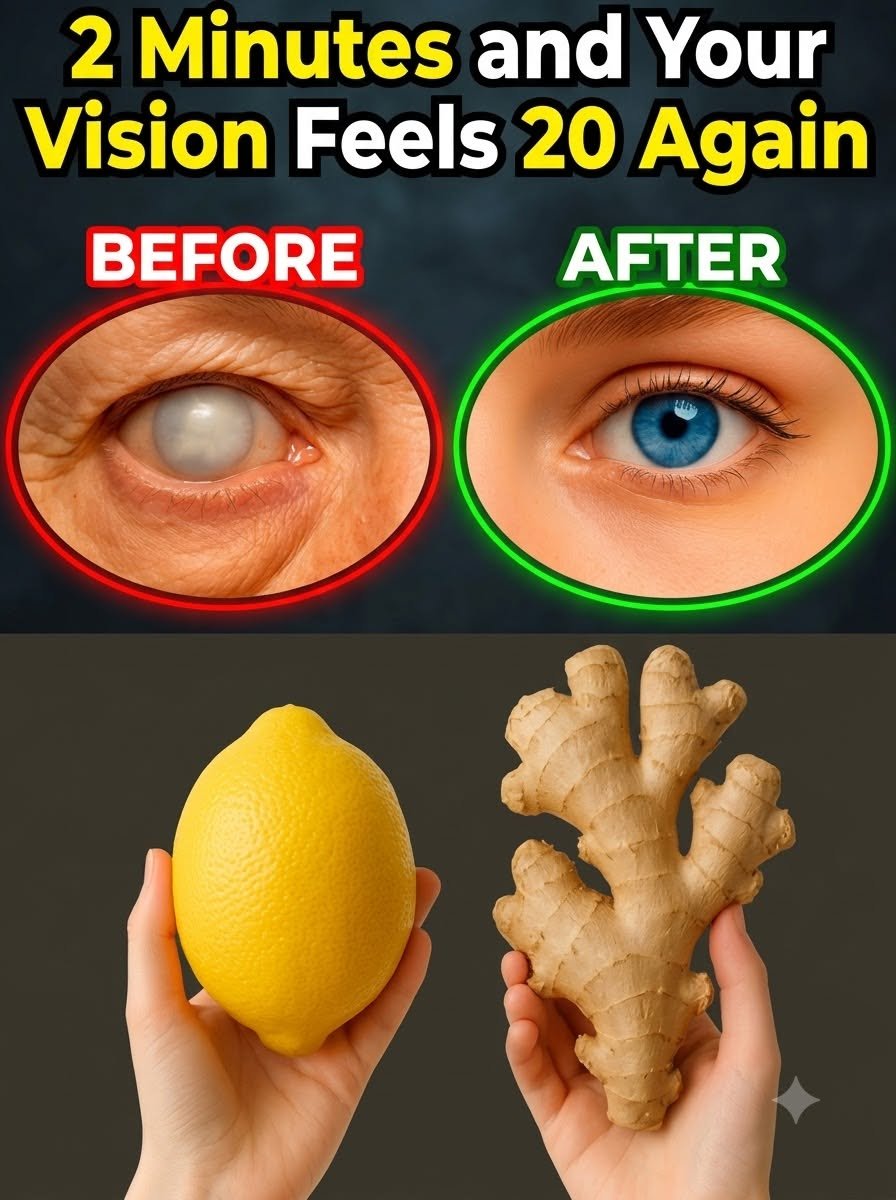
2 Minutes and Your Vision Feels 20 Again? The Truth About Ginger and Lemon for Eye Health
2 Minutes and Your Vision Feels 20 Again? The Truth About Ginger and Lemon for Eye Health
Have you ever wished you could wake up in the morning and see the world as clearly as you did when you were 20? As we grow older, changes in our vision can become more noticeable. Reading small text may feel harder, our eyes may become tired after hours in front of a screen, and everyday activities can sometimes leave our eyes feeling uncomfortable.
This has led many people to explore natural ingredients that may support their overall health, including ginger and lemon. These two common kitchen ingredients are known for their distinctive flavors and nutritional properties. But can a simple combination of ginger and lemon really help your eyesight?
The answer may surprise you. Although no drink can instantly restore lost vision, understanding the potential benefits of these ingredients can help you make better choices for your eye health.
In this article, we will explore the nutritional properties of ginger and lemon, how to prepare a refreshing drink, and the habits that may help protect your vision as you age.
Our eyes undergo natural changes throughout life. Some people notice these changes earlier than others, depending on genetics, lifestyle, existing health conditions, and environmental factors.
Common age-related vision changes include:
- Difficulty reading small print: Presbyopia, a common age-related condition, makes it harder for the eyes to focus on nearby objects.
- Dry or irritated eyes: Tear production and tear quality can change with age, contributing to discomfort.
- Eye fatigue: Spending long periods looking at computers, smartphones, or tablets may cause temporary tiredness and blurred vision.
- Reduced ability to see in dim light: Some people find that nighttime activities become more challenging as they get older.
- Changes in visual clarity: Conditions such as cataracts, glaucoma, and age-related macular degeneration can affect vision and require appropriate medical care.
Not every vision change is a normal part of aging. Persistent blurred vision, difficulty seeing at night, or other unusual symptoms should be evaluated by an eye care professional.
Ginger and Lemon: What Makes This Combination Interesting?
Ginger and lemon are popular ingredients in traditional food preparations and homemade drinks. Each offers nutritional properties that make it a useful addition to a balanced diet.
However, it is important to distinguish between general nutritional benefits and claims about treating eye conditions. There is currently no strong clinical evidence that drinking ginger and lemon water can restore eyesight, reverse cataracts, or eliminate the need for glasses.
1. Ginger Contains Beneficial Plant Compounds
Ginger (Zingiber officinale) contains naturally occurring compounds, including gingerols, that have been studied for their antioxidant and anti-inflammatory properties.
Antioxidants help protect cells from oxidative damage. Oxidative stress is one of several biological processes researchers investigate in relation to aging and various chronic conditions.
Although ginger has attracted scientific interest, evidence that eating ginger directly improves human eyesight remains insufficient.
Adding a small amount of fresh ginger to your meals or drinks can nevertheless be an enjoyable way to introduce more plant-based ingredients into your diet.
2. Lemon Provides Vitamin C
Lemons are a source of vitamin C, an essential nutrient involved in collagen formation, normal immune function, and antioxidant protection.
Vitamin C also plays a role in maintaining the health of tissues throughout the body. The eyes contain tissues that depend on adequate nutrition, making a balanced intake of vitamins and minerals important for general eye health.
Some observational research has examined the relationship between dietary antioxidants and age-related eye conditions. However, consuming lemon water alone has not been proven to prevent or reverse these conditions.
For a broader nutritional benefit, include a variety of vitamin C-rich foods in your diet, such as oranges, strawberries, kiwi, bell peppers, and broccoli.
3. The Combination Can Encourage Healthier Daily Habits
One practical benefit of ginger and lemon water is that it can make drinking water more enjoyable.
Staying adequately hydrated supports normal body function and may help some people who experience discomfort associated with dehydration. Nevertheless, hydration is not a treatment for underlying eye disease.
A homemade ginger and lemon drink can be part of a healthy routine when consumed alongside nutritious meals, adequate sleep, and regular eye examinations.
How to Make a Simple Ginger and Lemon Drink in 2 Minutes
If you enjoy the refreshing taste of ginger and lemon, this easy recipe requires only a few ingredients.
Ingredients
- 1 cup (about 240 ml) of drinking water
- 2–3 thin slices of fresh ginger
- 1–2 teaspoons of freshly squeezed lemon juice
- A small amount of honey, optional
Instructions
Step 1: Prepare the ginger.
Wash the ginger thoroughly and cut it into thin slices. You can peel it first if you prefer.
Step 2: Add the lemon.
Squeeze a little fresh lemon juice into your cup of water.
Step 3: Mix the ingredients.
Add the ginger slices and stir well. For a stronger ginger flavor, steep the slices in hot water for several minutes before adding the lemon.
Step 4: Enjoy your drink.
Drink it warm or chilled according to your preference. If you are short on time, using room-temperature water makes preparation especially quick.
This drink is intended as a refreshing beverage, not as a remedy for vision loss. You do not need to consume it on a particular schedule to obtain a proven eye-health benefit.
A small safety note: Ginger may cause heartburn or stomach discomfort in some people. Lemon juice is acidic and may aggravate reflux or affect tooth enamel when consumed frequently. Consider using less lemon, rinsing your mouth with plain water afterward, and avoiding excessive consumption. If you take medication that may interact with ginger, ask your healthcare professional for advice.
What Nutrients Actually Help Support Healthy Eyes?
If your goal is to protect your vision as you age, a varied and balanced diet is more useful than relying on one special drink.
Here are several nutrients and foods worth including in your daily meals.
Vitamin A: Important for Normal Vision
Vitamin A is essential for normal vision, particularly in low-light conditions. A deficiency can cause serious eye problems, although deficiency is uncommon among people who eat a varied diet.
Food sources include:
- Carrots
- Sweet potatoes
- Pumpkin
- Spinach
- Eggs
- Dairy products
Carrots are nutritious, but eating more carrots than your body needs will not give you superhuman eyesight or eliminate the need for corrective lenses.
Lutein and Zeaxanthin: Nutrients Found in the Retina
Lutein and zeaxanthin are carotenoids found in the retina, particularly in the macula, the part of the eye responsible for detailed central vision.
Good food sources include kale, spinach, collard greens, broccoli, and egg yolks.
Research has investigated these nutrients in relation to age-related macular degeneration. Certain AREDS2 nutritional supplements may help selected people with intermediate or advanced stages of the disease, but they are not appropriate for everyone and do not restore lost vision.
Consult an eye care professional before starting supplements, especially if you already have an eye condition.
Omega-3 Fatty Acids: Part of a Balanced Diet
Omega-3 fatty acids are found in oily fish such as salmon, sardines, and mackerel, as well as in some plant foods.
These fats play important roles in normal body function. Although omega-3s are often promoted for dry eyes, clinical evidence for supplements is mixed, and they should not be considered a guaranteed treatment.
Eating fish as part of a balanced diet can still provide valuable nutrients.
Zinc: Supports Normal Eye Function
Zinc is involved in many biological processes, including normal immune function and vitamin A metabolism.
Food sources include seafood, meat, dairy products, beans, nuts, and seeds.
Most people should aim to obtain adequate zinc through food rather than taking high-dose supplements without medical advice.
Five Everyday Habits That May Help Protect Your Vision
Your daily routine can influence your comfort and your ability to identify eye problems early.
1. Follow the 20-20-20 Rule
When using a computer or smartphone for extended periods, try looking at an object about 20 feet away for 20 seconds every 20 minutes.
This habit may help reduce digital eye strain. It does not cure refractive errors or prevent every eye condition, but it offers a simple way to give your focusing system a break.
2. Eat a Variety of Colorful Foods
Include leafy green vegetables, orange vegetables, fruits, whole grains, protein sources, and healthy fats in your meals.
No single food can supply every nutrient your eyes need. Dietary variety is a more reliable approach than depending on one ingredient.
3. Wear Appropriate UV Protection
Choose sunglasses that block 99–100% of UVA and UVB rays when spending time outdoors. A wide-brimmed hat can provide additional protection.
Sunglasses help reduce ultraviolet exposure, but they do not replace regular eye examinations.
4. Schedule Regular Eye Examinations
Eye examinations can detect vision problems and certain eye diseases before noticeable symptoms develop.
Your recommended examination schedule depends on your age, medical history, family history, and existing vision problems.
People with diabetes, for example, may need specific retinal examinations because diabetes can damage the blood vessels in the retina.
5. Get Enough Sleep and Manage Screen Time
Insufficient sleep and prolonged screen use can contribute to tired, uncomfortable eyes.
Try to maintain a consistent sleep schedule, take regular screen breaks, adjust your screen brightness, and blink consciously when concentrating on digital devices.
If dryness persists, an eye care professional can help determine whether lubricating eye drops or another treatment is appropriate.
Can Ginger and Lemon Restore Your Eyesight in Two Minutes?
The honest answer is no proven evidence supports that claim.
Ginger and lemon can be part of a nutritious lifestyle, but there is no reliable scientific evidence that the combination restores youthful eyesight within two minutes or reverses age-related vision changes.
Different vision problems require different approaches. Nearsightedness, farsightedness, cataracts, glaucoma, and retinal diseases cannot all be addressed through the same dietary strategy.
If your vision has become blurry, do not delay an examination in favor of a home remedy. Sudden vision loss, a sudden increase in floaters, flashes of light, or a dark curtain across your field of vision can indicate an eye emergency and require immediate medical attention.
Frequently Asked Questions
Is ginger and lemon water good for your eyes?
Ginger and lemon provide plant compounds and vitamin C, respectively. However, there is insufficient clinical evidence that drinking their combination directly improves eyesight. It can be enjoyed as part of a balanced diet.
How often can I drink ginger and lemon water?
Many healthy adults can enjoy a modest serving according to their preferences and tolerance. There is no established dosage or schedule for improving vision. People with reflux, certain medical conditions, or medication concerns should seek individualized advice.
Can lemon juice be applied directly to the eyes?
No. Never put lemon juice, ginger juice, or homemade herbal mixtures directly into your eyes. These substances can irritate or injure delicate eye tissues. Use only products specifically intended for ophthalmic use.
Which drink is best for eyesight?
No drink has been proven to restore eyesight. Water, milk, and unsweetened beverages can fit into a healthy diet, while nutrient-rich foods provide vitamins and minerals that support normal body function.
What is the best way to maintain healthy vision after age 40?
Consider regular comprehensive eye examinations, appropriate glasses or contact lenses, a varied diet, UV protection, and management of conditions such as diabetes and high blood pressure. An eye care professional can recommend steps tailored to your needs.
Final Thoughts
The idea of regaining 20-year-old eyesight in just two minutes is appealing, but protecting your vision requires more than a single recipe.
Ginger and lemon can make a refreshing homemade drink and contribute small amounts of useful nutrients to your diet. Their combination, however, is not a proven treatment for blurred vision, cataracts, or other eye diseases.
Instead of searching for a miracle ingredient, focus on practical steps that support your overall health: eat a variety of nutrient-rich foods, take breaks from screens, wear UV-protective sunglasses, and schedule appropriate eye examinations.
Your eyesight is too valuable to rely on unproven promises. If you notice a change in your vision, seek professional advice promptly.
Disclaimer: This article is for educational purposes only and does not replace professional medical advice, diagnosis, or treatment. Ginger and lemon are not substitutes for prescribed eye care or medical treatment.