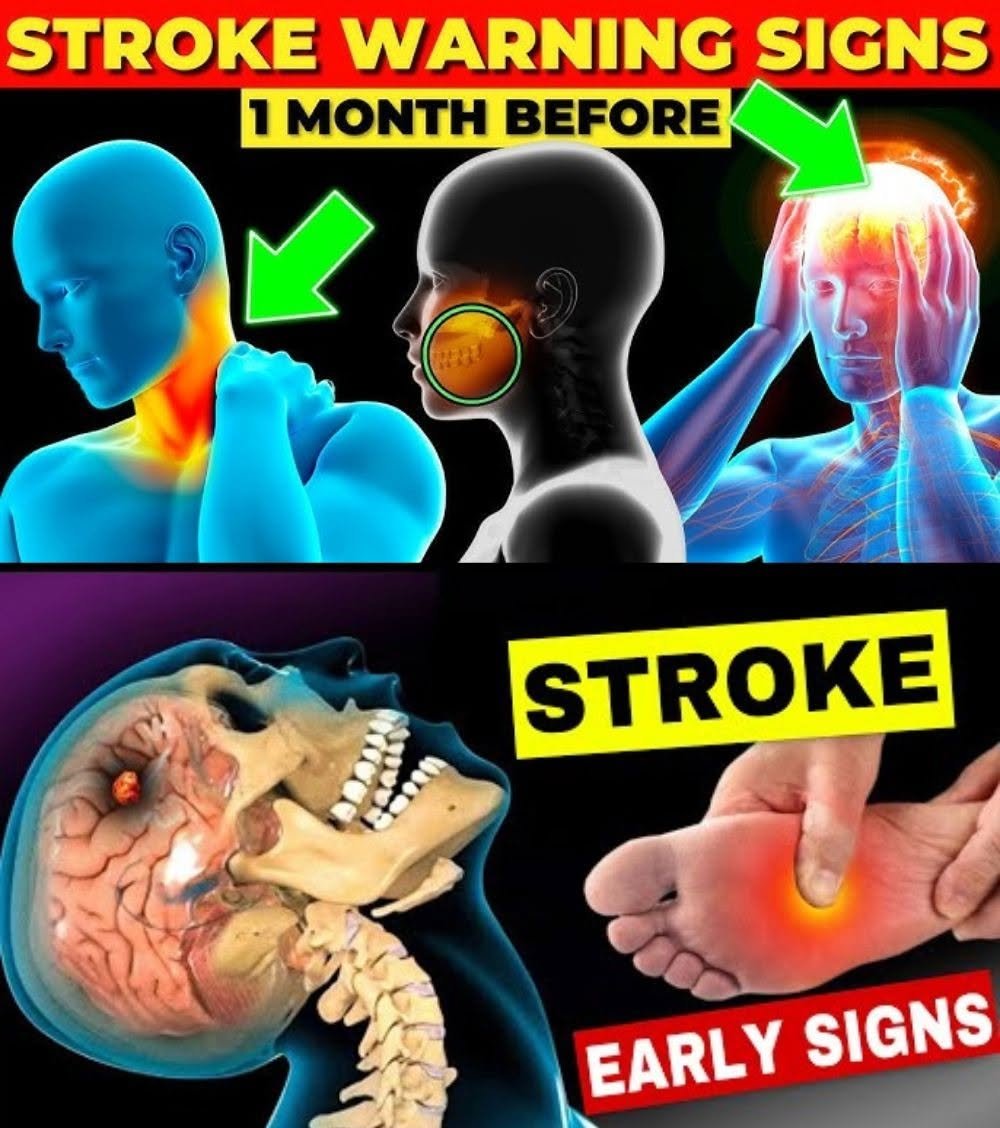
10 Warning Signs of Stroke: Symptoms You Should Never Ignore
10 Warning Signs of Stroke: Symptoms You Should Never Ignore
A stroke occurs when blood flow to part of the brain is blocked or a blood vessel in the brain ruptures. Without an adequate supply of oxygen, brain cells can begin to die within minutes.
Some strokes happen suddenly without any obvious advance warning. In other cases, a person may experience a transient ischemic attack (TIA), often called a mini-stroke, before a more serious stroke occurs. A TIA causes temporary stroke-like symptoms and is a medical emergency, even when the symptoms disappear. American Stroke Association.
Here are 10 important symptoms and health changes to understand.
1. Sudden Numbness or Weakness on One Side of the Body
One of the most recognizable warning signs of a stroke is sudden weakness or numbness affecting one side of the face, arm, or leg.
For example, you might notice that one arm feels unusually weak, one leg becomes difficult to control, or one side of your face feels numb.
These symptoms occur when a stroke affects the parts of the brain responsible for sensation and movement.
Do not assume that the problem is simply caused by sleeping in an uncomfortable position, particularly when the weakness begins suddenly or affects several parts of one side of the body.
What to do: Seek emergency medical assistance immediately if sudden one-sided weakness or numbness develops, even if it improves.
2. Facial Drooping or an Uneven Smile
Another important warning sign is a sudden change in facial movement.
When a person smiles, one side of the mouth may move normally while the other side droops. The face may also appear uneven, or the person may struggle to move one side of the mouth.
This can occur when a stroke affects the nerves and brain regions responsible for facial movement.
A quick way to recognize this sign is to ask the person to smile and observe whether both sides of the face move evenly.
However, do not delay calling for help while performing tests if a stroke is suspected.
3. Difficulty Speaking or Understanding Words
Sudden speech difficulties can be an important sign of a stroke.
A person may suddenly begin slurring words, speaking unclearly, struggling to find familiar words, or having difficulty understanding what others are saying.
Some people know what they want to communicate but cannot express it properly. Others may speak fluently but use incorrect words or struggle to understand simple questions.
These changes can occur when a stroke affects areas of the brain involved in language and communication.
Speech difficulties should never be dismissed as ordinary tiredness when they begin suddenly.
Emergency warning: Sudden slurred speech, confusion, or difficulty understanding language requires immediate medical assessment, even if it lasts only a few minutes.
4. Sudden Vision Changes
Changes in vision can sometimes occur during a stroke or TIA.
A person may suddenly experience blurred vision, double vision, loss of vision in one eye, or loss of part of their visual field.
For example, someone may find that they cannot see objects on one side as clearly as before or suddenly have difficulty seeing normally.
Although vision changes can have many causes, sudden unexplained vision loss or double vision should be taken seriously.
Do not assume that a sudden visual disturbance is simply caused by eye strain or a need for new glasses.
If sudden vision changes occur, especially alongside dizziness, weakness, or speech difficulties, seek emergency medical assistance.
5. Sudden Dizziness or Loss of Balance
Feeling dizzy occasionally can have many causes, including dehydration, medication effects, and inner-ear problems. However, sudden dizziness accompanied by difficulty walking or maintaining balance can sometimes indicate a stroke.
You may notice that you suddenly stumble, veer to one side, struggle to stand, or feel as though the room is moving.
Some strokes affecting the back of the brain can cause severe balance and coordination problems.
The important distinction is the sudden onset of symptoms, particularly when they occur with double vision, weakness, numbness, or speech changes.
If you suddenly cannot walk normally or maintain your balance, seek emergency medical assessment rather than trying to walk it off.
6. A Sudden, Severe Headache
A sudden, unusually severe headache can be a warning sign of bleeding in or around the brain, including a hemorrhagic stroke.
Some people describe this type of headache as exceptionally intense or unlike any headache they have experienced before.
It may occur with vomiting, neck stiffness, confusion, fainting, or neurological symptoms.
Not every severe headache is caused by a stroke, and most headaches have other explanations. However, a sudden, explosive headache that reaches maximum intensity quickly requires emergency evaluation.
Do not wait for additional symptoms to appear before seeking help.
7. Sudden Confusion or Difficulty Thinking Clearly
A stroke can affect the parts of the brain involved in attention, memory, language, and decision-making.
As a result, a person may suddenly become confused, struggle to follow a conversation, have difficulty understanding instructions, or behave unusually.
Family members may notice the change before the affected person recognizes that anything is wrong.
Confusion can also occur because of infections, medication effects, low blood sugar, and other medical conditions. Nevertheless, sudden confusion accompanied by speech problems, facial weakness, or difficulty walking must be treated as a possible emergency.
8. Difficulty Swallowing
Some strokes interfere with the coordinated movements required to swallow food, liquids, and saliva.
A person may cough or choke while drinking, have trouble swallowing, or develop a wet-sounding voice after attempting to swallow.
Difficulty swallowing can increase the risk of food or liquid entering the airway.
This symptom can occur alongside facial weakness, speech changes, or other neurological problems.
If swallowing difficulty begins suddenly, particularly with other possible stroke symptoms, seek emergency assistance. Do not give the person food, drinks, or oral medication while they are unable to swallow safely.
9. Sudden Difficulty Walking or Coordinating Movements
A stroke may affect the brain regions that coordinate movement and control posture.
A person who was walking normally moments earlier may suddenly stumble, drag a leg, become unusually unsteady, or struggle to coordinate their movements.
These symptoms are particularly concerning when they begin abruptly and occur with dizziness, visual changes, or weakness.
Although joint problems, nerve conditions, and other illnesses can affect walking, sudden loss of coordination requires urgent evaluation.
Do not allow someone with suspected stroke symptoms to drive themselves to the hospital.
10. Brief Stroke-Like Symptoms That Disappear
One of the most important warnings people sometimes overlook is a temporary episode of stroke-like symptoms.
For example, a person may suddenly experience:
- Weakness in one arm.
- Numbness on one side of the face.
- Difficulty speaking.
- Sudden loss of vision.
- Severe dizziness or loss of balance.
The symptoms may disappear after a few minutes, leaving the person feeling normal again.
This can be a transient ischemic attack (TIA), which occurs when blood flow to part of the brain is temporarily interrupted.
A TIA is not something to ignore simply because the symptoms disappear. It can signal an increased risk of a future stroke, sometimes within a short period. American Stroke Association.
What to do: Seek emergency medical assessment immediately. Do not wait until symptoms return.
Can These Symptoms Appear One Month Before a Stroke?
There is no scientifically established pattern of 10 symptoms that reliably appears one month before a stroke.
Some people experience a TIA before a subsequent stroke, while others have no noticeable warning beforehand. The timing and symptoms vary, and many symptoms listed above can also occur in conditions unrelated to stroke.
It is especially important not to confuse long-term stroke risk factors with immediate warning signs.
For example, high blood pressure may increase stroke risk over many years without causing obvious symptoms. Diabetes and high cholesterol can also increase cardiovascular risk without providing reliable early warnings.
By contrast, sudden facial drooping, one-sided weakness, speech difficulties, or vision loss may indicate that a stroke or TIA is already happening.
Recognizing these symptoms and getting emergency treatment can make a major difference.
Who Is at Greater Risk of Stroke?
Several factors can increase the likelihood of a stroke.
- High blood pressure: One of the most important modifiable stroke risk factors.
- Diabetes: Can damage blood vessels and increase cardiovascular risk.
- High cholesterol: Can contribute to plaque buildup in arteries.
- Smoking: Damages blood vessels and increases the risk of blood clots and cardiovascular disease.
- Atrial fibrillation: An irregular heart rhythm that can allow blood clots to form and travel to the brain.
- Physical inactivity: Can contribute to high blood pressure, diabetes, and other risk factors.
- Family history: Genetics and inherited conditions may increase risk.
- Previous TIA or stroke: Indicates a need for careful medical assessment and prevention.
- Increasing age: Stroke risk generally rises with age, although strokes can occur in younger people.
Having one or more risk factors does not mean a stroke is inevitable. Appropriate medical care and preventive measures can reduce risk.
How to Reduce Your Risk of Stroke
Although not every stroke can be prevented, several steps can improve cardiovascular health and lower risk.
Monitor your blood pressure
High blood pressure often causes no symptoms. Check it regularly and follow your healthcare professional’s advice if it is elevated.
Take prescribed medication consistently and do not stop treatment simply because you feel well.
Manage diabetes and cholesterol
If you have diabetes or abnormal cholesterol levels, work with your healthcare professional to develop an appropriate treatment plan.
Depending on your risk, this may include dietary changes, physical activity, and medication.
Eat a balanced diet
Choose a diet rich in vegetables, fruit, whole grains, legumes, nuts, and other nutrient-dense foods.
Limit excessive salt, highly processed foods, and foods high in saturated or trans fats.
Stay physically active
Regular physical activity can help manage blood pressure, blood sugar, and body weight.
Many adults can aim for at least 150 minutes of moderate-intensity activity per week, adjusted to their health and abilities.
Avoid tobacco
Smoking increases stroke risk. Quitting can improve vascular health, and healthcare professionals can provide support to help you stop.
Take prescribed medications correctly
People with atrial fibrillation, previous strokes, high blood pressure, or other medical conditions may need medication to reduce stroke risk.
Do not start aspirin or blood-thinning medication on your own to prevent a stroke. These medicines are not appropriate for everyone and can cause serious bleeding.
What Should You Do If You Suspect a Stroke?
Remember the simple acronym B.E. F.A.S.T.
- B — Balance: Is there sudden loss of balance or coordination?
- E — Eyes: Is there a sudden change in vision?
- F — Face: Does one side of the face droop?
- A — Arms: Is one arm weak or numb?
- S — Speech: Is speech slurred or difficult to understand?
- T — Time: Call your local emergency service immediately.
Note the time when symptoms first appeared, or the last time the person was known to be well.
Do not wait to see whether the symptoms improve. Do not give food, drinks, aspirin, or other medication unless emergency medical professionals specifically instruct you to do so.
A stroke can be caused by a blocked blood vessel or bleeding in the brain, and the treatments differ. Prompt hospital assessment is essential.
Frequently Asked Questions
Can a stroke happen without warning?
Yes. Some strokes occur suddenly without any preceding noticeable symptoms. Others may be preceded by a TIA, which causes temporary stroke-like symptoms.
Can headaches mean a stroke is coming?
Most headaches are not caused by a stroke. However, a sudden, extremely severe headache can indicate bleeding in the brain and requires emergency medical assessment.
Can a stroke be prevented?
Many strokes can be prevented or their risk reduced by controlling blood pressure, managing diabetes and cholesterol, avoiding tobacco, staying active, and following appropriate medical treatment.
Do stroke symptoms go away on their own?
Some symptoms caused by a TIA may disappear, but this does not mean the person is safe. Stroke symptoms can also fluctuate. Immediate medical evaluation is necessary.
Can young people have strokes?
Yes. Although stroke risk generally increases with age, younger people can also experience strokes because of medical conditions, vascular problems, inherited disorders, or other causes.
Is dizziness always a sign of stroke?
No. Dizziness has many possible causes. Sudden, severe dizziness accompanied by difficulty walking, double vision, weakness, or speech changes is particularly concerning and requires urgent assessment.
Conclusion: Recognize the Warning Signs Before It’s Too Late
A stroke can happen unexpectedly, and there is no dependable way to predict one exactly a month in advance. However, understanding the warning signs can help you recognize an emergency and act quickly.
Sudden facial drooping, weakness on one side, speech difficulties, vision changes, severe unexplained headache, or loss of balance should never be ignored. Even when these symptoms disappear, they may indicate a TIA and require immediate medical evaluation.
Protecting your health also means managing long-term risk factors such as high blood pressure, diabetes, high cholesterol, smoking, and certain heart conditions.