
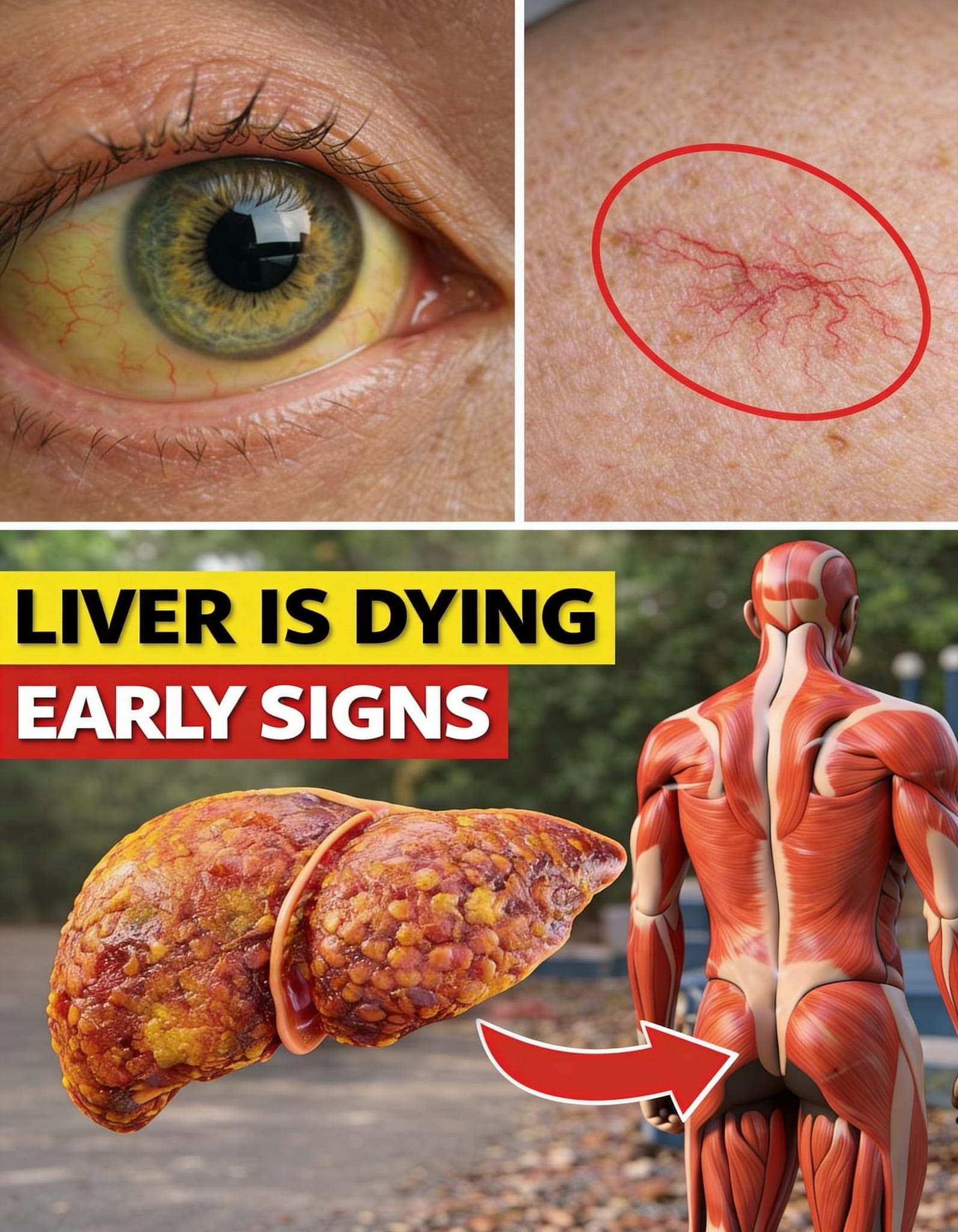
17 Critical Signs Your Liver May Be in Trouble (And How to Turn It Around Naturally)
Over 30% of American adults now quietly battle fatty liver disease without a single obvious clue, turning everyday moments into exhausting struggles with constant tiredness, stubborn bloating, and that nagging discomfort under the ribs. These feelings creep in slowly, often blamed on stress, aging, or a busy schedule, until they start stealing your energy and confidence in your own body. What feels like “just getting older” could actually be your liver waving a red flag. The encouraging part is that spotting these signals early gives you the power to make simple daily shifts that support your liver’s natural resilience. Stick with me until the very end because I’m sharing one surprising kitchen habit that has helped thousands of people just like you feel lighter, more energized, and back in control.
The Silent Epidemic Affecting Millions of Americans
Turning 40 or 50 often brings unexpected changes like stubborn weight, low energy, or random aches that doctors dismiss as normal. Yet recent estimates suggest over 100 million Americans may now have some form of fatty liver. That number has skyrocketed in the last two decades, touching even active adults and younger people who never saw it coming. Meals that once felt fine now leave you gassy, bloated, or reaching for antacids at night. But here’s what most people miss: these annoyances aren’t random. They can point to fat buildup that, left unchecked, may lead to more serious scarring over time. The hopeful truth? Early awareness opens the door to real improvement through everyday choices.
Why Fatty Liver Is Often Called the “Silent Threat”
Picture a busy professional in their 50s who feels “off” for months, only to discover elevated liver enzymes on routine bloodwork. The liver can accumulate more than 5% fat without causing obvious pain at first, which is exactly why it’s called silent. Research consistently shows that when caught in the early stages, the condition responds remarkably well to lifestyle adjustments alone. If you’re a parent juggling work and family while fighting unexplained tiredness, this matters more than you think. You’ve already taken the first step by reading this far. Now let’s look at the 17 signs you really can’t afford to ignore.
Early Warning Signs of Fatty Liver You Can Spot at Home
These first six signals often appear before anything shows up on standard tests. Pay attention, because noticing them now can make all the difference.
1. Persistent Stomach Pain and Heartburn
That burning sensation in your chest or the full, heavy feeling after meals can ruin even your favorite dinners. Sarah, a 48-year-old teacher from Ohio, dreaded every evening meal because it felt like fire inside. Studies have linked frequent indigestion and heartburn to higher rates in people with fatty liver. Inflammation simply disrupts normal digestion. Sarah started tracking her symptoms and finally connected the dots. Rate your heartburn on a scale of 1–10 right now. If it’s regularly over 5, keep reading.
2. Excess Gas and Bloating
Trapped gas that leaves you uncomfortable in social situations or after every meal is more than embarrassing. John, a 52-year-old salesman, began avoiding lunches with clients because the bloating was constant. Changes in gut balance from liver fat play a clear role here. Once John became aware, he noticed how much lighter he felt within weeks. But that’s not the only digestive clue.
3. Pain on the Right Side Under Your Ribs
A dull ache or pressure right where your liver sits can feel like a heavy weight pressing down. Lisa, a 45-year-old mom, described it exactly that way until her doctor confirmed early fat buildup. The enlarged liver can gently press on surrounding nerves. A gentle self-massage around the area sometimes offers temporary comfort while you focus on bigger changes.
4. Sudden Loss of Appetite
Food that once excited you suddenly seems unappealing, even when you’re hungry. Mike, 50, started feeling queasy just looking at his plate. Hormonal shifts triggered by inflammation are often behind this. Within a short time of paying attention, Mike found joy in eating again. Fatigue is usually right behind it.
5. Unexplained Fatigue
You sleep eight hours yet still crash in the afternoon feeling foggy and drained. Emma, a 42-year-old executive, called it “brain fog that made me feel worthless.” When the liver struggles with energy metabolism, the whole body feels it. Emma watched her energy return gradually as she made small daily adjustments. You’ve now seen the first five signs. Here’s what often comes next.
6. Frequent Nausea
Random queasiness that hits without warning or reason can steal the pleasure from your favorite foods. David, 55, started skipping meals he once loved. Toxin processing and bile flow issues can contribute. David felt clearer head-to-toe after addressing it. A warm cup of ginger tea is one simple trick many people use for quick soothing.
You’re already in the top tier of readers who refuse to ignore their body’s signals. The next signs are more advanced, but the natural steps that follow can still make a powerful difference.
Advanced Signs That Mean It’s Time to Act Quickly
These seven signals suggest the liver needs extra support right away. If you notice any of them, pair them with the lifestyle tips below and see your doctor promptly.
7. Dark Urine That Looks Like Cola
Urine suddenly turning a deep cola color is a classic red flag. Rachel noticed the change and felt immediate concern. Poor processing of bilirubin is usually the reason.
8. White or Pale Nails
Nails that lose their healthy pink color and turn white or opaque can be surprising. Tom, 58, saw this change and knew something was off. Circulation and protein balance shifts often show up here first.
9. Red Spots on the Skin
Tiny red dots or clusters appearing out of nowhere can raise worry. Anna, 47, wondered about bleeding issues until she learned it can tie to platelet changes and vitamin absorption.
10. Spider Veins on the Chest or Face
Web-like veins spreading across your chest or cheeks aren’t just cosmetic. Chris, 53, noticed them and connected the dots to hormone balance affected by liver function.
11. Intense Itching That Wakes You at Night
Skin that crawls or itches unbearably, especially at night, can drive anyone crazy. Maria, 49, scratched until her skin was raw. Bile salts building up in the bloodstream are frequently the culprit.
12. Jaundice – Yellowing of Skin or Eyes
A yellow tint in your eyes or skin is impossible to miss in the mirror. Robert, 60, got the shock of his life one morning. Excess bilirubin is the direct cause.
13. Red Palms
Palms that stay unusually red and warm can be an early visible clue many overlook.
14. Pale or Clay-Colored Stools
Light-colored stools that float or look gray signal poor bile flow.
15. Night Blindness or Trouble Seeing in Dim Light
Struggling to see when the lights go down often links to vitamin A absorption issues.
16. Gynecomastia in Men (Breast Tissue Growth)
Unexpected breast tissue changes in men can stem from hormone shifts the liver can no longer balance properly.
17. Severe Pain on the Right Side
Intense, sharp pain under the right ribs is a later-stage signal that the liver is significantly enlarged.
You’ve now unlocked all 17 signs. That alone puts you ahead of most people who wait until it’s far more serious.
Mid-Article Quick Check-In
How many signs have we covered so far?
Which one concerns you most? Write it down.
Rate your energy today compared with when you started reading (1–10).
Ready to learn exactly what to do next?
Risk Factors You Might Be Ignoring Right Now
Carrying extra weight, living with diabetes or high blood pressure, drinking alcohol regularly, or staying mostly sedentary can all raise your chances. Even if you think “it’s just life,” research shows these factors are highly modifiable. The best news? Small, consistent changes deliver real results.
Natural Ways to Support Your Liver and Feel Better Fast
You don’t need fancy supplements or extreme diets. Focus on these proven lifestyle steps that research links to better liver health.
Simple 30-Day Action Plan
Weeks 1–2: Cut added sugars and take a 20-minute walk daily → Many people notice less bloating within days.
Weeks 3–4: Add liver-friendly foods (see list below) → Energy and digestion usually improve.
Ongoing: Aim to lose 5–10% of body weight if needed → This is the single biggest factor for supporting liver recovery.
Toxic Foods vs. Liver-Friendly Swaps
Foods to Limit Better Alternatives
Soda & sugary drinks Black coffee or green tea
Refined bread & pasta Oats, quinoa, or brown rice
Fried fast food Olive oil–drizzled veggies
High-fructose snacks Avocado, berries, broccoli
Three Advanced Tips That Make a Difference
Turmeric with a pinch of black pepper daily (tea or in food) – supports healthy inflammation response.
2–3 cups of black coffee – studies show it helps protect liver cells.
One avocado a day – boosts glutathione, your body’s master antioxidant.
Imagine waking up 30 days from now with steady energy, comfortable digestion, and real confidence in your health. The cost of doing nothing is progression. The reward of starting today is feeling like yourself again.
Frequently Asked Questions
Can fatty liver improve on its own?
Yes, especially in early stages. Consistent lifestyle changes like the ones above are what research shows help most people support their liver function naturally.
What is the fastest way to support liver health?
Start with cutting added sugars and adding 30 minutes of walking most days. Many notice digestive comfort improve within two weeks.
Do I need special tests to know if my liver is struggling?
Blood work for liver enzymes plus an ultrasound can give clear answers. If you recognize several signs here, schedule a visit with your doctor this week.
Start with just ONE change today—maybe that first cup of black coffee or a short walk after dinner. Bookmark this page, share it with anyone who always seems tired, and watch how small steps add up.
Disclaimer: This article is for informational purposes only and is not a substitute for professional medical advice. Symptoms can overlap with many conditions. Always consult your healthcare provider for proper testing, diagnosis, and personalized guidance.