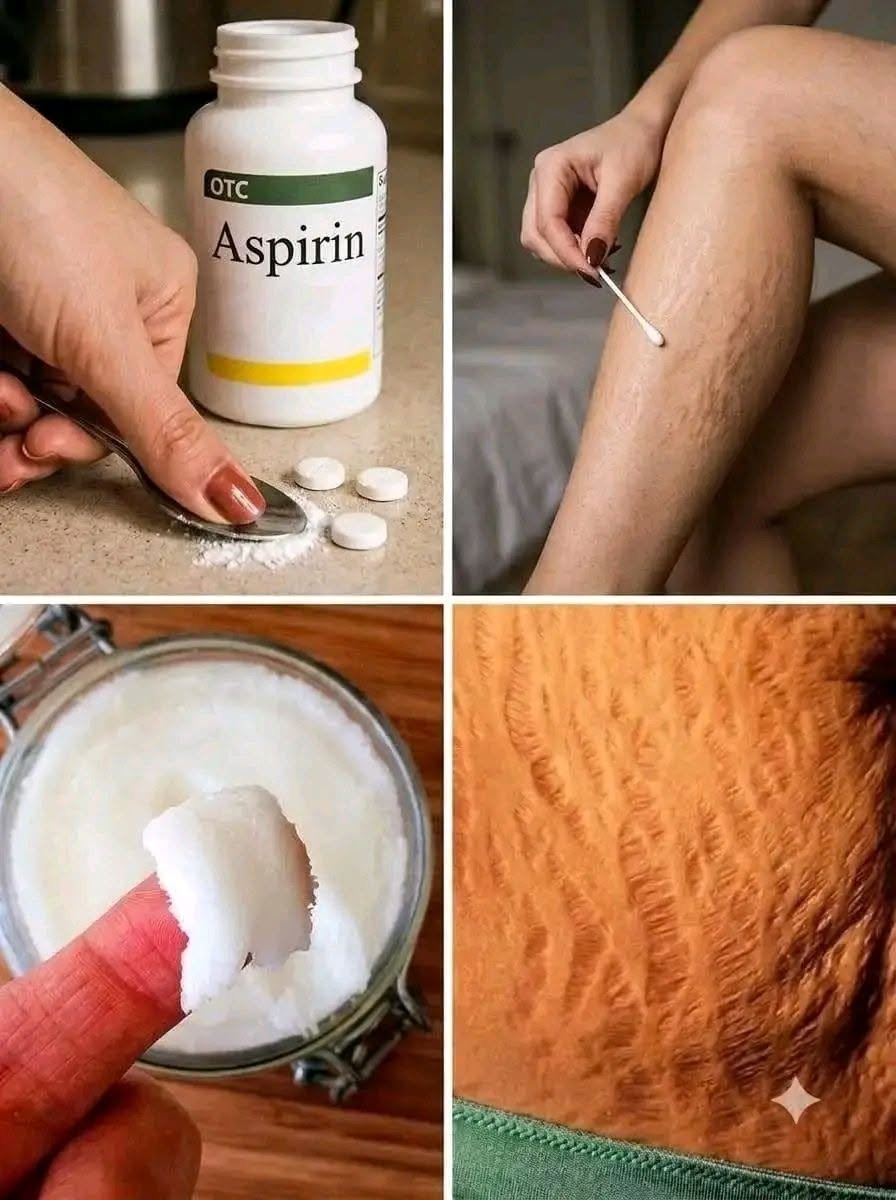
10 Useful Aspirin Tricks You Should Know: What Really Works?
10 Useful Aspirin Tricks You Should Know: What Really Works?
Aspirin is one of the most widely recognised medications in the world. It is commonly used to relieve pain, reduce fever and, when prescribed in low doses, help prevent blood clots in certain people.
But did you know that aspirin is also associated with several unusual household, beauty and personal-care tricks?
From removing dandruff and treating acne to cleaning clothes and extending the life of fresh flowers, many online articles claim that aspirin has uses beyond traditional medicine.
However, not every popular remedy is supported by scientific evidence. Let’s explore 10 commonly shared aspirin tricks, understand how they are supposed to work and discover which ones are actually worth trying.
1. Can Aspirin Relieve Itching from Insect Bites?
Aspirin has anti-inflammatory properties, which is why some people recommend crushing a tablet, mixing it with water and applying the paste to insect bites.
However, applying aspirin directly to the skin is not a medically established treatment for insect bites. It may cause irritation or an allergic reaction, particularly in people with sensitive skin.
A safer alternative: Apply a cold compress to the affected area. An appropriate anti-itch cream or antihistamine may also help.
2. Can Aspirin Lighten Dark Underarms?
Some homemade beauty recipes suggest dissolving two aspirin tablets in warm water and applying the mixture to dark underarms.
Unfortunately, there is no reliable clinical evidence that this method reduces pigmentation.
Dark underarms can develop because of friction, shaving irritation, skin inflammation or hormonal and metabolic conditions.
Repeatedly applying aspirin mixtures may irritate the skin and potentially make discoloration worse.
A better approach: Avoid harsh scrubbing, use gentle skincare products and consult a dermatologist if pigmentation persists or develops suddenly.
3. Can Aspirin Help Remove Dandruff?
This trick has an interesting scientific connection.
Aspirin contains acetylsalicylic acid, while salicylic acid is a recognised ingredient in some medicated dandruff shampoos. Salicylic acid helps loosen dead skin cells and remove excess scalp scaling.
However, crushing aspirin tablets into ordinary shampoo is not an established or recommended replacement for formulated dandruff treatments.
A better approach: Choose a dandruff shampoo containing ingredients such as ketoconazole, selenium sulfide or salicylic acid.
4. Can Aspirin Treat Acne?
Because aspirin has anti-inflammatory properties, some homemade skincare recipes recommend crushing a tablet, adding a few drops of water and applying the mixture directly to pimples.
Although this sounds reasonable, there is insufficient clinical evidence that topical aspirin effectively treats acne.
It may also cause dryness, irritation or allergic reactions.
A better approach: Consider established acne treatments containing benzoyl peroxide, salicylic acid or other dermatologist-recommended ingredients.
5. Can Aspirin Remove Sweat Stains from Clothes?
One popular household cleaning trick involves dissolving crushed aspirin tablets in warm water and applying the solution to sweat-stained clothing.
Although aspirin is sometimes promoted as a stain-removal ingredient, there is insufficient evidence that it reliably removes yellow underarm stains.
Sweat stains often involve a combination of sweat, body oils and deodorant ingredients.
A better approach: Use a suitable laundry stain remover or oxygen-based laundry product, following the garment’s care instructions.
6. Can Aspirin Soften Calluses on the Feet?
Some homemade foot-care recipes recommend crushing several aspirin tablets, mixing them with lemon juice and applying the paste to hardened skin.
However, this mixture is not a proven or reliably safe callus treatment. Lemon juice and aspirin can irritate the skin, particularly when used in concentrated preparations.
A better approach: Use a properly formulated urea-based foot cream and gently manage hardened skin. People with diabetes, poor circulation or reduced foot sensation should seek professional advice rather than attempting aggressive home treatments.
7. Can Aspirin Be Used as a Facial Mask?
Aspirin facial masks are sometimes promoted as inexpensive exfoliating treatments. These recipes commonly involve mixing crushed aspirin tablets with yogurt and applying the mixture to the face.
However, there is no good clinical evidence that aspirin facial masks improve skin texture, remove wrinkles or provide lasting skincare benefits.
The mixture may also cause irritation, especially around sensitive areas of the face.
A better approach: Use skincare products specifically formulated for facial skin and select ingredients according to your skin type.
8. Can Aspirin Remove Soap Scum from Bathrooms?
Another unusual internet tip suggests crushing aspirin tablets, mixing them with liquid detergent and spraying the mixture onto bathroom surfaces.
Although aspirin is a medication with certain chemical properties, there is no convincing evidence that it works as an effective bathroom cleaner.
A better approach: Use a commercial bathroom cleaner designed to remove soap scum and follow its safety instructions.
Never mix different cleaning chemicals unless their labels specifically confirm that doing so is safe.
9. Can Aspirin Restore Hair Shine?
Some online beauty recipes recommend dissolving eight aspirin tablets in water and applying the mixture to the hair for approximately 15 minutes.
Unfortunately, there is no reliable scientific evidence that aspirin restores natural hair shine, improves hair volume or repairs damaged hair.
Using concentrated aspirin preparations on the scalp may also cause irritation.
A better approach: Use a suitable conditioner, minimise excessive heat styling and choose hair products designed for your particular hair type.
10. Can Aspirin Extend the Life of Fresh Flowers?
One of the oldest household aspirin tricks involves crushing a tablet and adding it to the water in a flower vase.
The idea is that aspirin may help maintain water conditions and keep flowers fresh for longer.
However, aspirin has not been established as a reliable flower-preservation method.
A better approach: To help cut flowers last longer:
- Start with a clean vase.
- Trim the stems before placing them in water.
- Change the water regularly.
- Remove leaves below the waterline.
- Use commercial flower food according to its instructions.
- Keep flowers away from direct sunlight and excessive heat.
Important Aspirin Safety Precautions
Although aspirin has legitimate medical uses, it should not be treated as an all-purpose beauty product or household remedy.
Before using aspirin, remember these important precautions:
- Aspirin can increase the risk of stomach irritation, ulcers and bleeding.
- People taking blood-thinning medications should seek medical advice before using aspirin.
- Individuals with aspirin allergies should avoid aspirin unless specifically advised otherwise by a healthcare professional.
- Children under 16 should not receive aspirin unless it has been specifically prescribed by a doctor.
- People with certain kidney, liver or stomach conditions may need to avoid it.
- Never stop prescribed low-dose aspirin without consulting your healthcare professional.
If you experience an unusual reaction after using aspirin, discontinue the product and seek appropriate medical advice.
Final Thoughts
Aspirin is an important medication with well-established uses in pain relief and the prevention of certain cardiovascular events. However, many of its advertised beauty and household applications remain unsupported by reliable scientific research.
Some ideas, such as using properly formulated salicylic acid shampoo for dandruff, have a scientific basis, but that does not mean crushed aspirin tablets provide the same results.
The best approach is to use aspirin only for appropriate medical purposes and choose products specifically designed for skincare, haircare and household cleaning.
Remember: A popular home remedy is not necessarily a safe or effective treatment. Always prioritise reliable evidence and your health.
Medical disclaimer: This article is for general educational purposes only and is not a substitute for professional medical advice, diagnosis or treatment.