Surprising Truth About Chin Whiskers in Women
Surprising Truth About Chin Whiskers in Women
# Surprising Truth About Chin Whiskers in Women
Chin whiskers, often referred to as facial hair, are a subject of both intrigue and concern for many women. Despite societal beauty standards that tend to favor smooth, hairless skin, the truth about chin whiskers is far more complex than mere aesthetics. In this article, we will explore the causes of chin whiskers in women, their psychological impact, and effective methods for management.
## Understanding Chin Whiskers
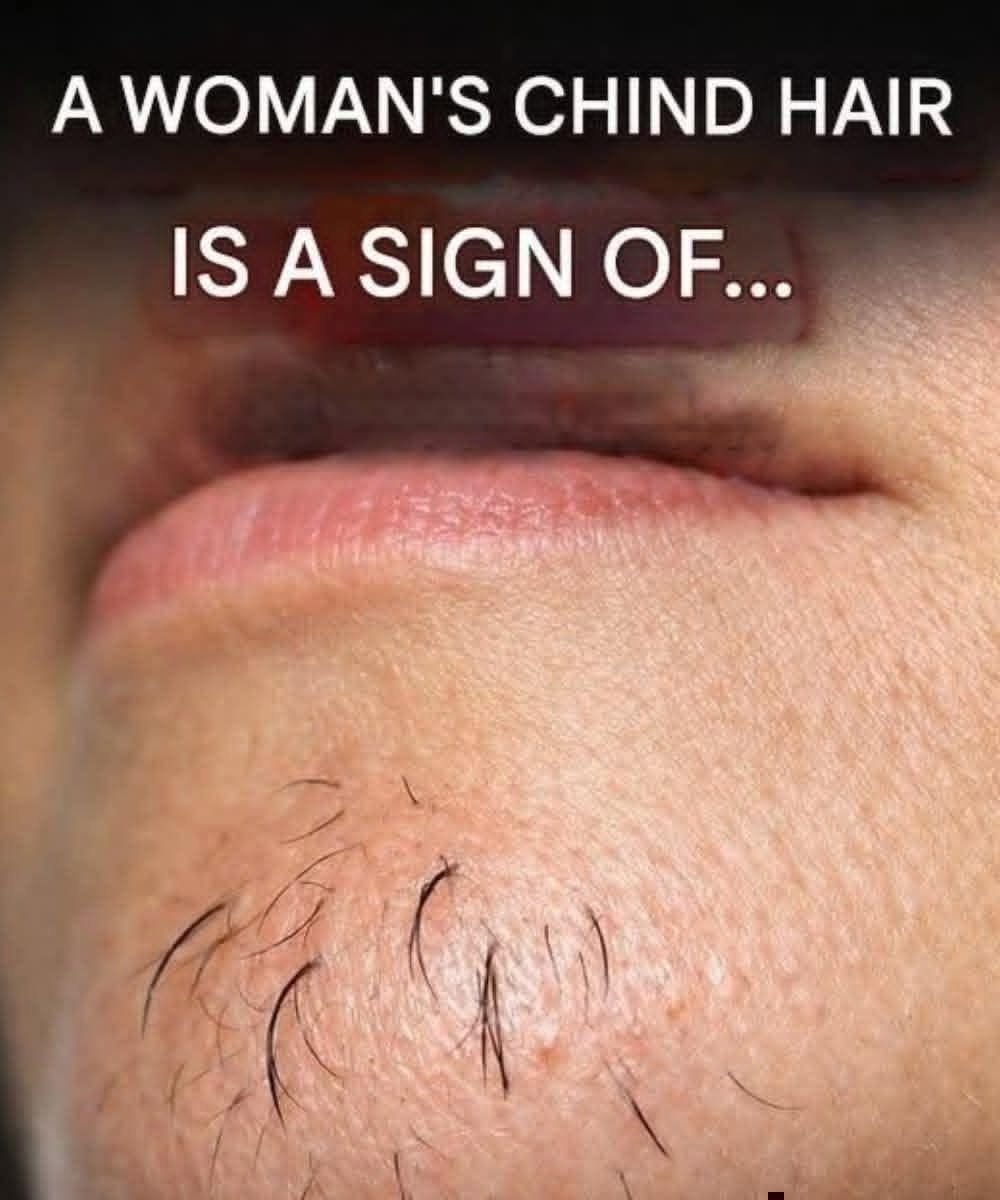
Chin whiskers are fine hairs that can appear on the chin or jawline. They can range in texture from light fuzz to darker, more pronounced strands. While many women experience these hairs at some point in their lives, the underlying reasons can vary widely and are influenced by several factors:
### 1. Hormonal Changes
Hormones play a significant role in the growth of facial hair in women. Conditions like polycystic ovary syndrome (PCOS) can lead to an imbalance of hormones, particularly androgens, which can stimulate hair growth in areas typically considered male-pattern hair growth, such as the chin and jawline. Additionally, hormonal fluctuations during menstrual cycles, pregnancy, or menopause can lead to sporadic appearances of chin whiskers.
### 2. Genetics
Genetic predisposition is another contributing factor. If your mother or grandmother had facial hair, you may be more likely to experience the same. The hereditary aspect of hair growth patterns means that some women are simply more prone to developing chin whiskers than others.
### 3. Age
As women age, changes in hormone levels often occur. The natural decline of estrogen as women approach menopause can lead to an increase in hair growth in areas where it was previously minimal. Therefore, older women may notice more noticeable chin whiskers.
## The Psychological Impact of Chin Whiskers
The presence of chin whiskers can have a significant psychological effect on women. Society often places a high value on appearance, and facial hair can lead to feelings of embarrassment or self-consciousness.
### Emotional Distress
Many women report feeling distressed about unwanted facial hair, which can contribute to lower self-esteem and self-image issues. The fear of judgment from others may lead to social anxiety, affecting various aspects of life, including personal relationships and professional interactions.
### Body Positivity Movement
Conversely, there is a growing movement towards body positivity that encourages acceptance of natural bodily features, including facial hair. This shift promotes the idea that women should embrace their bodies as they are, which can empower those who struggle with the stigma of chin whiskers.
## Effective Management of Chin Whiskers
For women concerned about chin whiskers, several effective removal and management strategies are available:
### 1. Temporary Hair Removal
– **Shaving:** Although shaving may seem counterintuitive, many women find it to be a quick and painless way to manage chin whiskers. Opt for a gentle facial razor designed for delicate skin.
– **Waxing:** This method provides a longer-lasting solution by removing the hair from the root. Regular waxing can lead to finer regrowth over time.
– **Tweezing:** For individual hairs, tweezing is precise and can easily help maintain a clean appearance.
### 2. Permanent Hair Removal Options
For those looking for a more permanent solution, consider the following options:
– **Laser Hair Removal:** This effective method targets hair follicles with laser light, reducing hair growth over time. Multiple sessions are usually required for maximum results.
– **Electrolysis:** This procedure involves the application of electrical currents to destroy hair follicles, offering a permanent removal solution but often requiring time and commitment.
### 3. Hormonal Treatment
For women whose chin whiskers are due to hormonal imbalances, consulting with a healthcare provider may lead to effective solutions. Birth control pills, anti-androgens, or other hormonal treatments can help balance hormones and reduce unwanted hair growth.
### 4. Natural Remedies
Some women seek natural remedies to manage hair growth. Ingredients like turmeric and sugar, when used as a scrub, can provide mild exfoliation and promote lighter hair regrowth. However, results vary, and it is essential to keep expectations realistic.
## Embracing Your Unique Beauty
In today’s world, understanding your body’s natural features is vital. Chin whiskers are commonplace and should be viewed through a lens of acceptance rather than shame. While it is entirely valid to seek solutions, embracing one’s own unique beauty can also be empowering.
## Conclusion
The surprising truth about chin whiskers in women encompasses a blend of biological, psychological, and social factors. While hormonal changes and genetics play a significant role in hair growth patterns, there are effective methods for management that can meet individual preferences. The most crucial takeaway is that chin whiskers are a common issue faced by many women, and navigating the landscape of beauty and acceptance can lead to greater confidence and self-love.
As you consider your options for managing chin whiskers, remember to prioritize what makes you feel comfortable and confident in your own skin. Whether you decide to remove, embrace, or explore treatment options, the key is to find a path that aligns with your vision of beauty.