🚨 12 Warning Signs Your Body Is Crying for Help — Symptoms You Should Never Ignore
🚨 12 Warning Signs Your Body Is Crying for Help — Symptoms You Should Never Ignore
Your body often gives you clues when something is wrong. Changes in urine color, yellowing of the eyes, unusual skin color, persistent fatigue, or unexplained pain can sometimes indicate an underlying health condition.
While many symptoms have harmless explanations, others may require prompt medical attention. Learning to recognize these changes can help you seek care early and protect your long-term health.
Important: These warning signs do not automatically mean you have a serious disease. The cause depends on your symptoms, medical history, and examination.
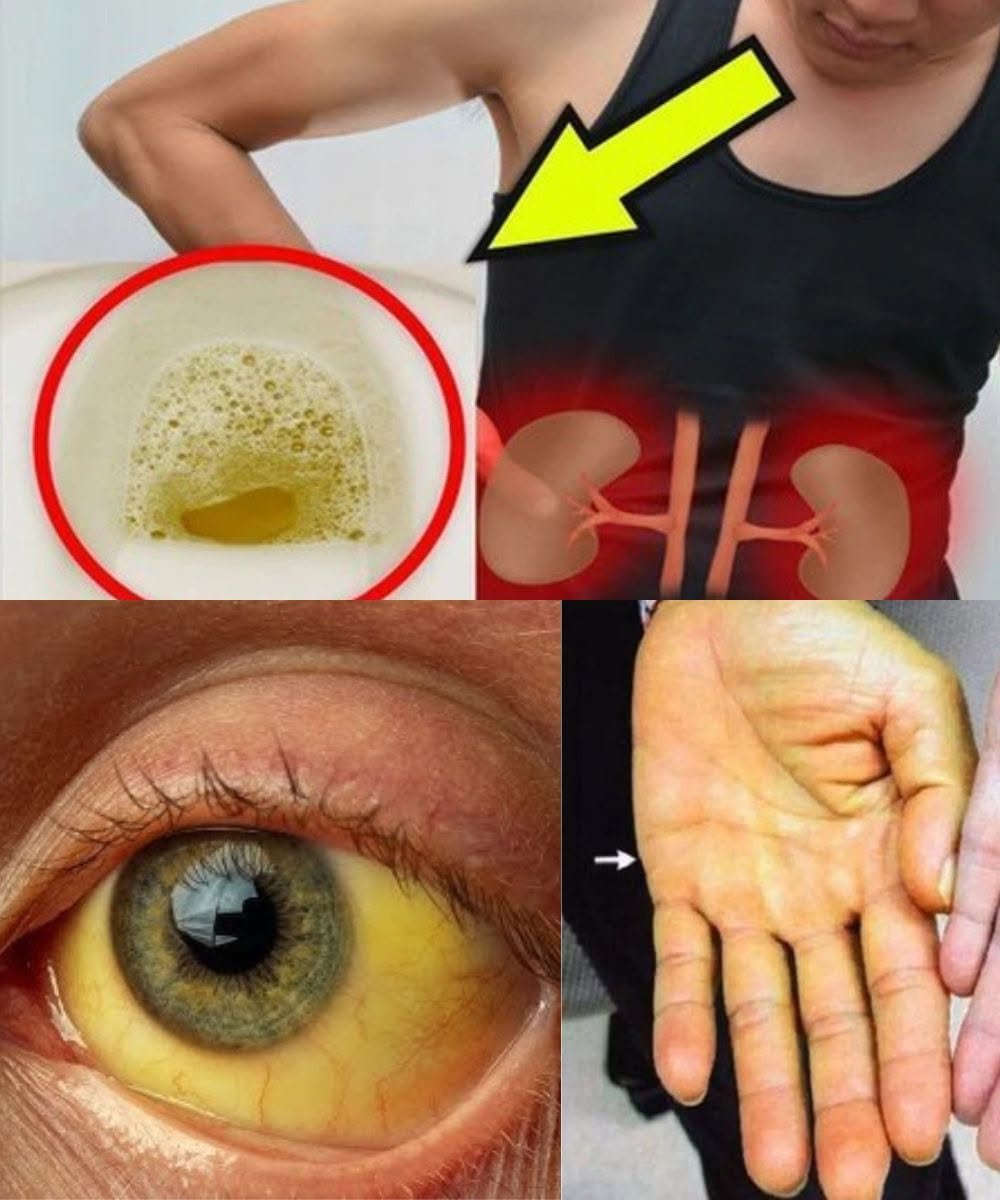
1. Foamy or Bubbly Urine
Occasionally noticing bubbles in your urine is usually not a cause for concern. This can happen when urine hits the toilet water forcefully or when the urine is concentrated.
However, persistently foamy urine may sometimes indicate protein in the urine, which can be associated with kidney disease.
What to do: If the foam occurs frequently, lasts for several days, or is accompanied by swelling around the eyes or ankles, arrange a medical evaluation. A urine test can help detect protein.
2. Yellowing of the Eyes
Yellowing of the whites of the eyes, known as jaundice, can indicate a buildup of bilirubin in the blood.
Possible causes include liver disease, hepatitis, gallstones, and certain blood disorders.
What to do: New yellowing of the eyes or skin needs urgent medical assessment, even if there is no pain. Seek emergency care if it occurs with confusion, severe abdominal pain, fever, or repeated vomiting.
3. Dark or Unusually Colored Urine
Urine can become darker when you are dehydrated. Certain foods, vitamins, and medicines can also change its color.
However, tea-colored or brown urine may sometimes be associated with liver problems, blood in the urine, or muscle injury.
What to do: Drink adequate fluids if dehydration is likely, unless you have been advised to restrict fluids. Seek medical advice if the color remains abnormal, returns repeatedly, or is accompanied by yellow eyes, pain, or reduced urine output.
4. Swelling Around the Eyes, Hands, or Feet
Swelling, also called edema, can develop after prolonged sitting, during pregnancy, or because of certain medicines.
Persistent or unexplained swelling can sometimes be associated with kidney, heart, liver, or circulation problems.
What to do: Arrange a medical assessment if swelling is new or persistent. Sudden swelling accompanied by breathlessness, chest pain, or faintness requires emergency care.
5. Changes in Urination
Urinating much more frequently than usual, waking repeatedly at night to urinate, experiencing burning, or producing unusually large amounts of urine can have several causes.
These include urinary tract infections, diabetes, prostate problems, certain medicines, and other conditions.
What to do: Consult a healthcare professional if changes persist. Inability to urinate, especially with a painful or swollen lower abdomen, requires urgent care.
6. Blood in the Urine
Urine that appears pink, red, or brown may contain blood, although some foods and medicines can cause similar color changes.
Possible medical causes include urinary infections, kidney stones, kidney disease, and other urinary tract conditions.
What to do: Visible blood in the urine should be assessed promptly, even if it happens only once or causes no pain.
7. Persistent Lower Back or Side Pain
Pain near the lower back or sides may result from muscle strain, spinal problems, kidney stones, or kidney infections.
Pain accompanied by fever, painful urination, vomiting, or blood in the urine may indicate a condition requiring prompt treatment.
What to do: Seek urgent medical care if you have severe side pain, fever with back pain, or difficulty urinating.
8. Unusual Fatigue or Weakness
Feeling tired occasionally is normal. Persistent fatigue that does not improve with adequate rest may be associated with anemia, sleep disorders, thyroid problems, diabetes, infections, or other illnesses.
What to do: If fatigue continues or affects daily activities, arrange a medical appointment. A clinician may recommend blood tests based on your symptoms.
9. Unexplained Weight Loss
Losing weight without changing your diet or physical activity can sometimes indicate an underlying health problem.
Possible causes include diabetes, thyroid disorders, digestive conditions, chronic infections, and some cancers.
What to do: Seek medical advice if you continue losing weight unintentionally, particularly if the change is substantial or accompanied by persistent pain, fever, or appetite loss.
10. Persistent Itching
Itching may result from dry skin, allergies, eczema, or irritation. Sometimes, widespread itching without an obvious skin rash can be associated with liver disease, kidney disease, thyroid disorders, or other medical conditions.
What to do: Consult a healthcare professional if itching is persistent, severe, widespread, or accompanied by yellowing of the eyes or skin.
11. Pale Skin, Pale Palms, or Changes in Nail Color
Pale skin or the palms looking unusually pale can sometimes be associated with anemia, particularly when accompanied by tiredness, dizziness, or shortness of breath.
Changes in nail color may also have several causes, including nutritional problems and medical conditions.
What to do: If pallor or unusual color changes persist, seek medical evaluation. Do not begin iron supplements without appropriate advice, because not all anemia is caused by iron deficiency.
12. Persistent Nausea, Loss of Appetite, or Abdominal Discomfort
Digestive symptoms can occur because of infections, indigestion, medication effects, or food-related problems.
When symptoms persist, they may sometimes indicate liver, gallbladder, stomach, pancreatic, or other medical conditions.
What to do: Arrange a medical assessment if nausea, appetite loss, or abdominal discomfort continues or worsens. Severe abdominal pain, vomiting blood, black stools, or repeated vomiting with dehydration requires urgent medical care.
When Should You Seek Emergency Medical Help?
Do not wait for symptoms to become severe if you experience any of the following:
- Severe difficulty breathing or chest pain.
- New confusion, fainting, or difficulty staying awake.
- Sudden weakness on one side of the body or difficulty speaking.
- Severe abdominal or back pain with fever or repeated vomiting.
- Very little or no urine accompanied by serious illness.
- Yellowing of the eyes accompanied by confusion or severe abdominal pain.
These symptoms can indicate serious conditions that need immediate assessment.
How Can You Protect Your Health?
A few practical habits can help you recognize problems early and reduce certain health risks.
- Drink adequate fluids, unless your healthcare professional has advised a fluid restriction.
- Maintain a balanced diet and regular physical activity.
- Monitor persistent changes in urination, skin color, energy levels, and weight.
- Manage conditions such as diabetes and high blood pressure with appropriate medical care.
- Attend recommended health checkups and screening appointments.
- Avoid taking medicines or herbal supplements that may harm your kidneys or liver without professional advice.
Remember that symptoms alone cannot reliably diagnose kidney disease, liver disease, diabetes, or cancer. Medical evaluation and appropriate tests are often necessary.
Frequently Asked Questions
Does foamy urine always mean kidney disease?
No. Occasional bubbles are common. Persistent foamy urine can sometimes indicate protein in the urine, so a urine test may be appropriate.
Are yellow eyes always a sign of liver disease?
Not always. Liver and bile duct disorders are important causes, but certain blood disorders can also cause jaundice. New yellowing of the eyes requires urgent medical assessment.
Can dark urine be caused by dehydration?
Yes. Concentrated urine can appear dark yellow or amber. However, brown or tea-colored urine may have other causes, so persistent or unexplained changes should be assessed.
Can a person have kidney disease without symptoms?
Yes. Early kidney disease may cause few or no noticeable symptoms. People with diabetes, high blood pressure, or other risk factors may benefit from kidney function and urine tests as recommended by their healthcare professional.
Final Thoughts
Your body can show signs of illness in many different ways, but no single symptom tells the whole story. Foamy urine, yellow eyes, swelling, fatigue, and changes in urination deserve attention when they are persistent, unexplained, or accompanied by other symptoms.
The goal is not to become frightened by every bodily change. It is to recognize when something is unusual and seek the right medical advice.
Pay attention to your symptoms, avoid self-diagnosis, and seek timely medical care when warning signs appear.
Medical disclaimer: This article is for educational purposes only and does not replace professional medical advice, diagnosis, or treatment.