🧄 Eat Garlic Before Bed? Here’s What It May Actually Do to Your Body
🧄 Eat Garlic Before Bed? Here’s What It May Actually Do to Your Body
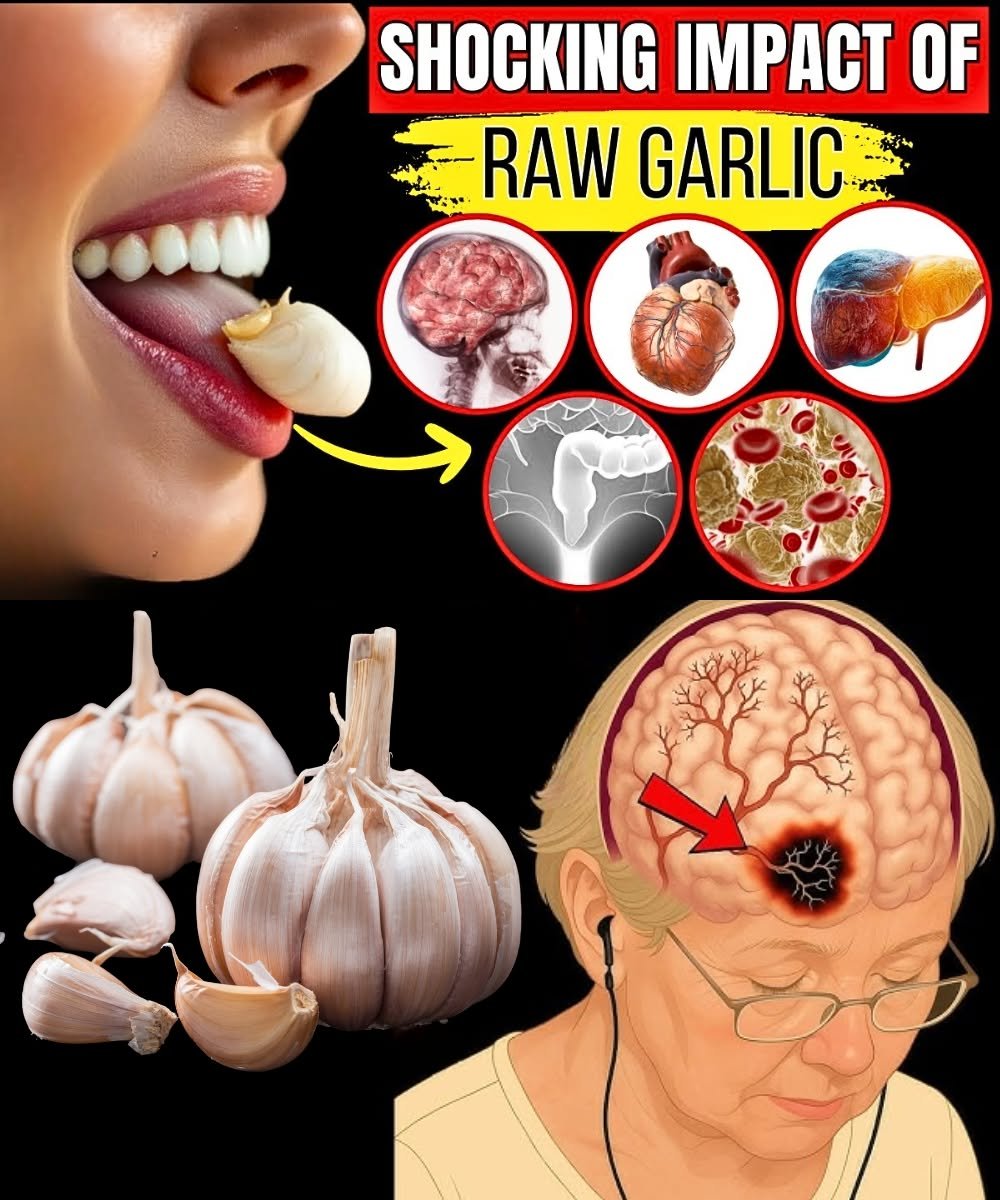
Garlic has been used for centuries as both a food and a traditional remedy. Today, it continues to attract attention because it contains sulfur compounds—especially allicin—that have been studied for their potential effects on cardiovascular health, immunity, and overall wellness.
But is eating garlic before bed really a special health hack?
The answer is more nuanced. Garlic can certainly be part of a healthy diet, but there is no strong evidence that eating it specifically at bedtime makes its benefits stronger. Most of garlic’s potential benefits come from regular dietary consumption rather than the exact time of day you eat it.
🧄 What Makes Garlic So Interesting?
Fresh garlic contains sulfur-containing compounds that are released when the cloves are chopped, crushed, or chewed.
One of the best-known compounds is allicin, which has antioxidant and antimicrobial properties and has been extensively studied in laboratory and human research.
Garlic also provides small amounts of vitamin C, vitamin B6, manganese, and other nutrients.
❤️ 1. It May Support Heart Health
Regular garlic consumption has been studied for its potential effects on cardiovascular health.
Some research suggests that certain garlic preparations may modestly help lower blood pressure in people with hypertension. Garlic may also have beneficial effects on cholesterol levels in some individuals.
However, garlic should not be considered a replacement for prescribed blood-pressure or cholesterol medication.
🛡️ 2. It May Support Immune Function
Garlic contains compounds that interact with the body’s immune system.
Some studies of garlic preparations have found potential benefits related to common respiratory infections, although the evidence is not strong enough to say that eating a clove before bed will prevent illness.
Think of garlic as one nutritious food within an overall healthy diet, rather than a guaranteed immunity booster.
🌿 3. It May Support Digestion
Garlic contains carbohydrates and plant compounds that can interact with the gut microbiome.
For some people, moderate amounts may fit comfortably into a balanced diet. However, raw garlic can cause:
- Heartburn
- Gas
- Bloating
- Stomach irritation
If you already experience acid reflux or have a sensitive stomach, eating raw garlic immediately before lying down may actually make symptoms worse.
🧬 4. Garlic Provides Antioxidant Compounds
Oxidative stress can contribute to cellular damage, and garlic contains several compounds with antioxidant activity.
Including garlic alongside vegetables, fruits, whole grains, legumes, nuts, and other nutrient-rich foods can contribute to an overall health-supportive eating pattern.
🌙 Does Eating Garlic Before Bed Improve Sleep?
This claim is often exaggerated online.
There is currently no convincing evidence that eating raw garlic before bed directly improves sleep quality.
In fact, for people prone to reflux or indigestion, raw garlic late at night could make sleep less comfortable.
If garlic is part of your dinner, that’s perfectly reasonable. There is no need to force yourself to eat it immediately before sleeping.
🧄 How Much Garlic Should You Eat?
For most healthy adults, garlic can simply be incorporated into normal meals.
Try adding fresh garlic to:
- Soups
- Vegetables
- Eggs
- Beans and lentils
- Fish or chicken
- Pasta
- Homemade sauces
- Salads and dressings
If you are not accustomed to raw garlic, start with a small amount rather than immediately eating several cloves.
🍯 What About Garlic With Honey?
Garlic mixed with honey is a popular traditional preparation.
It may be enjoyable as a food, but there is no good evidence that combining garlic and honey creates a special overnight healing treatment.
Also remember that honey is still a source of sugar, so people with diabetes or blood-sugar concerns should account for it in their diet.
⚠️ Who Should Be Careful With Garlic?
Garlic is generally safe as a food, but concentrated garlic supplements or large amounts may not be appropriate for everyone.
Talk with your healthcare professional before using medicinal amounts of garlic if you:
- Take blood-thinning or antiplatelet medication
- Take medication for blood pressure
- Have a bleeding disorder
- Have significant acid reflux or digestive problems
- Are preparing for surgery
- Have an allergy or strong sensitivity to garlic
Garlic supplements can be much more concentrated than the amount normally used in cooking.
🚫 Can Garlic Replace Medication?
No.
Garlic may contribute to a healthy diet, but it cannot replace treatment for high blood pressure, high cholesterol, infections, diabetes, or other medical conditions.
If you have a health problem, continue the treatment recommended by your healthcare professional unless they advise you otherwise.
🥗 The Bigger Picture Matters More Than Bedtime
Instead of focusing on one “magic” food, build your diet around a variety of nutritious foods.
A heart- and health-supportive eating pattern can include:
- Vegetables and fruits
- Whole grains
- Beans and legumes
- Nuts and seeds
- Fish and other lean proteins
- Healthy fats such as olive oil
- Moderate amounts of minimally processed foods
Regular physical activity, adequate sleep, avoiding tobacco, and maintaining a healthy weight are also important for long-term health.
🧄 Final Thoughts
Garlic is a nutritious and flavorful food with several interesting compounds that researchers continue to study.
Eating garlic before bed is not a proven overnight health transformation, and there is no strong evidence that nighttime consumption is uniquely beneficial.
If you enjoy garlic, include it regularly in balanced meals. And if raw garlic causes heartburn or stomach discomfort, there’s no reason to force yourself to eat it at night.
The real health secret isn’t one clove before bed—it’s the overall pattern of what you eat and how you live every day.