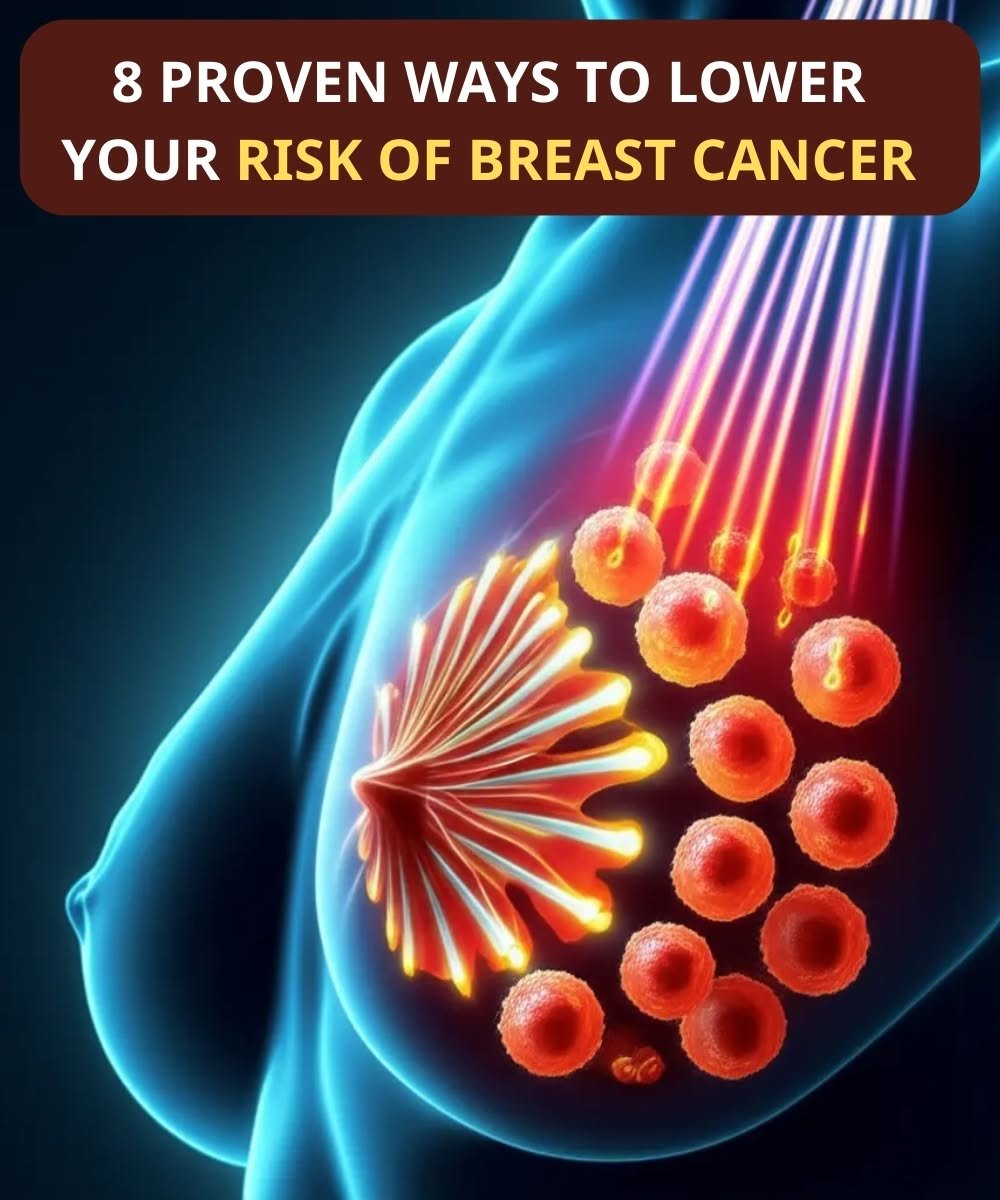
😱 8 Proven Ways to Lower Your Risk of Breast Cancer
😱 8 Proven Ways to Lower Your Risk of Breast Cancer
Breast cancer affects millions of women worldwide each year, making it one of the most common cancers. While no method can guarantee complete prevention, research shows that certain lifestyle choices can significantly lower your risk of breast cancer. The good news? Many of these changes are simple, natural, and within your control.
Below are 8 proven, science-backed ways to reduce your risk of breast cancer and protect your long-term health.
1. Maintain a Healthy Body Weight
Excess body fat, especially after menopause, is strongly linked to higher breast cancer risk. Fat tissue produces estrogen, and higher estrogen levels can promote the growth of certain breast cancers.
What helps:
Balanced meals with whole foods
Avoiding frequent ultra-processed snacks
Regular movement throughout the day
Even small, consistent weight improvements can make a difference.
2. Stay Physically Active
Regular physical activity is one of the most powerful protective factors against breast cancer. Exercise helps regulate hormones, reduce inflammation, and improve immune function.
Research shows:
Women who are physically active have 10–20% lower risk of breast cancer compared to inactive women.
Aim for:
30 minutes of brisk walking most days
Dancing, cycling, swimming, or sports
Any movement you enjoy and can maintain
Consistency matters more than intensity.
3. Limit Alcohol Consumption
Alcohol is a well-established risk factor for breast cancer. Even small amounts can increase estrogen levels and damage DNA in breast cells.
Important facts:
Just 1 drink per day increases breast cancer risk
The risk rises with each additional drink
Best choice:
If you drink, keep it occasional and minimal. Many experts recommend avoiding alcohol altogether for cancer prevention.
4. Eat a Cancer-Protective Diet
Your daily food choices directly influence inflammation, hormones, and cell health. A diet rich in plant-based foods is consistently linked to lower cancer risk.
Focus on:
Leafy greens (spinach, kale, arugula)
Cruciferous vegetables (broccoli, cauliflower, cabbage)
Berries, citrus fruits, apples
Whole grains, beans, lentils, nuts, and seeds
Limit:
Processed meats
Sugary drinks
Fried and highly refined foods
Natural, colorful foods provide antioxidants that help protect your cells from damage.
5. Get Enough Vitamin D
Low vitamin D levels have been associated with increased breast cancer risk in multiple studies. Vitamin D plays a role in cell growth regulation and immune defense.
How to support healthy levels:
Safe sun exposure
Fatty fish (salmon, sardines)
Eggs and fortified foods
If needed, a healthcare provider can test levels and recommend supplements.
6. Breastfeed If Possible
Breastfeeding has a protective effect against breast cancer, especially when continued for several months or longer. It reduces lifetime exposure to estrogen and helps breast cells mature in a protective way.
Benefits include:
Lower risk of both premenopausal and postmenopausal breast cancer
Additional health benefits for both mother and baby
Even a few months of breastfeeding can contribute to risk reduction.
7. Avoid Long-Term Hormone Therapy
Long-term use of combined estrogen-progestin hormone therapy has been linked to increased breast cancer risk. This is particularly relevant for menopausal hormone treatments.
If you’re considering hormone therapy:
Use the lowest effective dose
For the shortest possible time
Discuss non-hormonal alternatives with a healthcare provider
Personalized medical guidance is important here.
8. Reduce Exposure to Environmental Toxins
Certain chemicals found in plastics, cosmetics, pesticides, and household products may act as endocrine disruptors, interfering with hormone balance.
Practical steps:
Use glass or stainless steel instead of plastic for food
Choose fragrance-free or natural personal care products
Wash fruits and vegetables thoroughly
Ventilate your home regularly
Reducing toxin exposure supports overall hormonal health.
Bonus: Don’t Skip Regular Screenings
While lifestyle changes reduce risk, early detection saves lives. Regular breast self-awareness and age-appropriate screenings help catch issues early, when treatment is most effective.
Final Thoughts
Breast cancer is complex, and no single action can fully prevent it. However, combining these 8 proven strategies can significantly lower your risk and improve your overall health at the same time.
Small daily choices add up. Eating better, moving more, limiting alcohol, and protecting your hormone balance can create powerful long-term protection.
Your health is built one habit at a time.