9 Signs You’re Going Through Menopause (And What They Really Mean)
9 Signs You’re Going Through Menopause (And What They Really Mean)
Waking up in a pool of sweat, heart racing, wondering if the house is on fire—only to realize it’s just another night. Forgetting why you walked into a room or snapping at the smallest things, leaving you feeling like a stranger in your own body. If you’re in your late 40s or early 50s, these frustrating changes often signal menopause, a natural shift that affects millions of women every year, disrupting sleep, confidence, and daily life in ways that feel isolating and overwhelming.
You’re not imagining it, and you’re not alone—research shows up to 80% of women experience these disruptions, yet many suffer in silence, unsure if it’s “just aging” or something more. But here’s the good news: understanding these signs can empower you to take control. Keep reading to uncover a surprising way to navigate this transition more smoothly—one that goes beyond just waiting it out.
Why Menopause Feels So Unpredictable
Menopause isn’t a sudden event—it’s the point when your periods stop for good, usually around age 51 on average, according to experts at the Mayo Clinic. It happens as your ovaries produce less estrogen and progesterone, throwing off your body’s balance.
This phase, often starting in perimenopause (the years leading up), can bring a rollercoaster of changes. Studies from The Menopause Society indicate that symptoms vary widely, with about 75% of women experiencing hot flashes alone. But that’s not all…
The hormonal dips affect everything from your internal thermostat to brain chemistry. Ready to spot the clues? Let’s dive into the nine most common signs, backed by insights from reliable sources like the Mayo Clinic and NIH.
9 Common Signs of Menopause
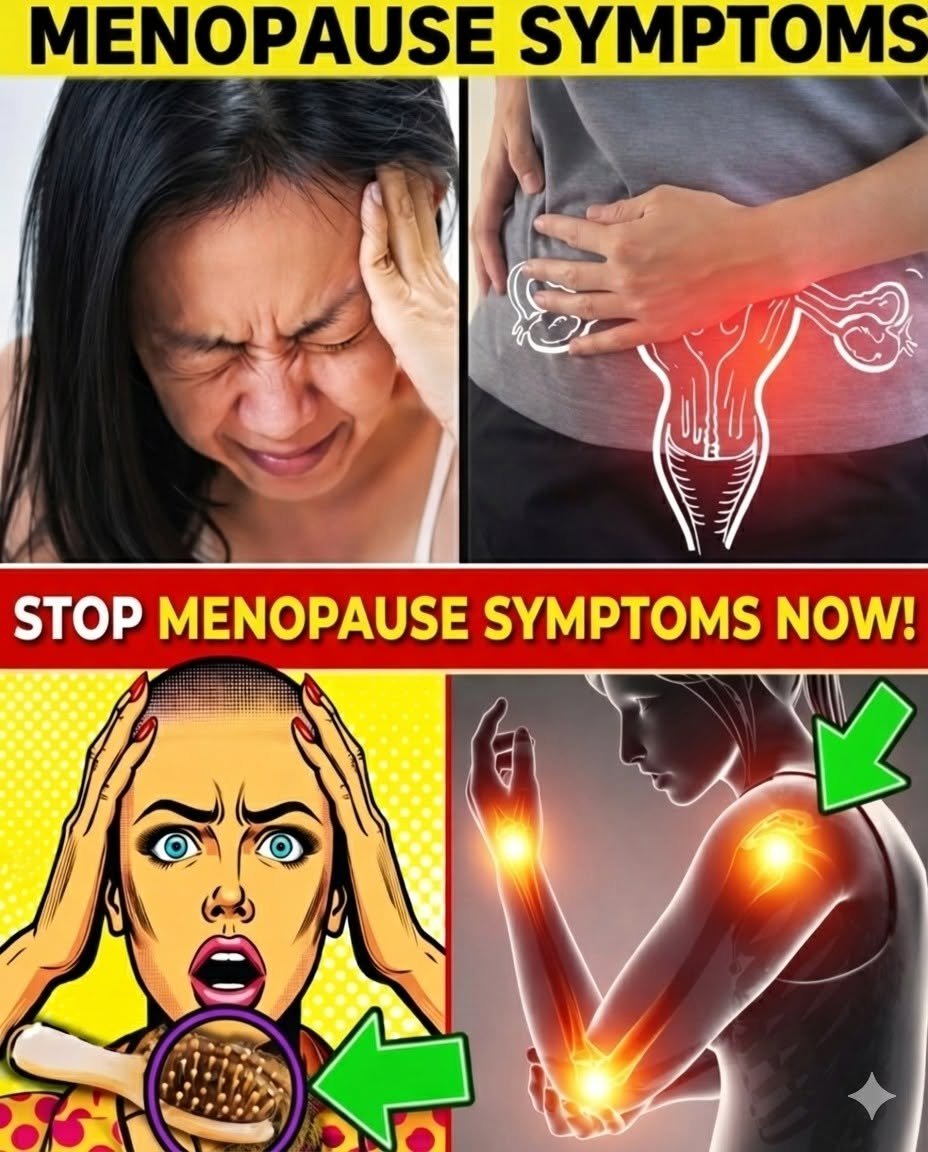
1. Hot Flashes and Night Sweats
Imagine a wave of intense heat surging through your body out of nowhere, leaving you flushed and drenched. That’s the reality for up to 80% of women, per NIH data—sudden warmth spreading from your chest to your face, often followed by chills.
Night sweats are the nighttime version, soaking your sheets and wrecking sleep. These can last seconds to minutes and strike unpredictably.
- Sudden intense heat in the upper body
- Profuse sweating, especially at night
- Chills or clammy skin afterward
If this sounds familiar, it’s a classic hallmark. But hold on—the next sign might explain those erratic cycles.
2. Irregular Periods
Your once-reliable cycle starts playing tricks: skipping months, then flooding heavily, or becoming unpredictably light. This happens as ovulation becomes inconsistent during perimenopause.
Many women notice changes years before full menopause. Research shows this affects most women in their 40s and 50s.
- Skipped periods or longer cycles
- Heavier or lighter flow than usual
- Spotting between periods
Stress can play a role, but persistent changes often point here. And if emotions feel amplified…
3. Mood Swings and Irritability
One minute you’re fine, the next you’re tearful or raging over nothing—estrogen fluctuations can disrupt serotonin levels in the brain, leading to unpredictable emotions.
Studies from Johns Hopkins note this impacts about 50% of women, feeling like an emotional storm you can’t control.
- Sudden irritability or anxiety
- Tearfulness without clear reason
- Feeling overwhelmed easily
It’s not “just you”—hormones are at play. But that’s not the only mental shift…
4. Brain Fog and Memory Issues
Struggling to focus, forgetting words mid-sentence, or feeling mentally fuzzy? Declining estrogen affects cognitive function for many.
This “menopause brain” is real, though often temporary, and tied to sleep disruption too.
- Difficulty concentrating
- Short-term memory lapses
- Trouble multitasking
Reassuringly, research suggests it improves post-menopause for most. Next up: why you feel exhausted all the time.
5. Persistent Fatigue
Even after a full night’s sleep, you drag through the day. Hormone shifts, combined with night sweats interrupting rest, create constant tiredness.
Many women report this as one of the most draining aspects.
- Ongoing low energy
- Feeling unrefreshed upon waking
- Needing more naps or caffeine
But wait—weight changes might be adding to it.
6. Weight Gain, Especially Around the Middle
Notice pants fitting tighter despite no diet changes? Slower metabolism and shifting hormones often lead to abdominal fat gain.
On average, women gain a few pounds during this transition, per studies.
- Increased belly fat
- Harder to lose weight
- Changes in body shape
It’s common, but manageable. Speaking of changes down there…
7. Vaginal Dryness and Discomfort
Thinning vaginal tissues due to lower estrogen can cause dryness, itching, or pain during intimacy—a condition called genitourinary syndrome of menopause (GSM).
This affects up to half of postmenopausal women and can worsen without attention.
- Dryness or irritation
- Discomfort during sex
- More frequent urinary issues
Many feel embarrassed, but it’s treatable. Sleep troubles often compound everything.
8. Sleep Problems
Tossing and turning, waking frequently, or struggling to fall asleep? Night sweats are a big culprit, but hormone changes disrupt sleep cycles directly too.
Poor sleep affects mood and energy the next day.
- Difficulty falling asleep
- Frequent awakenings
- Non-restorative sleep
Finally, aches you might blame on age…
9. Joint Pain and Stiffness
Sudden aches, stiffness, or muscle soreness? Estrogen helps reduce inflammation, so its decline can make joints feel worse.
Many women notice this alongside other signs.
- Aching joints or muscles
- Morning stiffness
- Increased discomfort in hands or knees
Here’s a quick overview of these signs for easy reference:
| Sign | Possible Cause | Key Clue |
|---|---|---|
| Hot Flashes/Night Sweats | Estrogen fluctuations | Sudden heat waves, heavy sweating |
| Irregular Periods | Declining ovulation | Skipped or unpredictable cycles |
| Mood Swings | Brain chemistry changes | Irritability, anxiety, tearfulness |
| Brain Fog | Hormonal impact on cognition | Memory lapses, poor focus |
| Fatigue | Disrupted sleep, hormone shifts | Constant tiredness |
| Weight Gain | Slower metabolism | Abdominal fat increase |
| Vaginal Dryness | Lower estrogen | Irritation, discomfort during sex |
| Sleep Problems | Night sweats, hormonal changes | Trouble staying asleep |
| Joint Pain | Reduced anti-inflammatory effects | Stiffness and aches |
These signs often overlap, creating a cascade effect. But the truth is, many women find relief with simple steps.
Actionable Tips to Feel More Like Yourself
You don’t have to endure this passively. Here are practical, step-by-step ways to manage symptoms right away:
- Track your patterns: Use a journal or app to note triggers for hot flashes (like caffeine or stress) and sleep disruptors.
- Cool down quickly: Dress in layers, keep a fan handy, and sip cold water during flashes.
- Prioritize sleep hygiene: Aim for a cool, dark bedroom; avoid screens before bed; try relaxation techniques like deep breathing.
- Move your body: Regular exercise, like walking 30 minutes daily, helps with mood, weight, and joint pain.
- Eat supportive foods: Focus on whole grains, fruits, veggies, and calcium-rich options; limit spicy foods and alcohol if they worsen flashes.
- Stay hydrated and lubricated: Drink plenty of water; consider over-the-counter moisturizers for dryness.
- Practice stress relief: Mindfulness, yoga, or short meditations can ease mood swings and anxiety.
Start with one or two—these small changes often build momentum. And if symptoms persist, talking to a healthcare provider opens more options.
Conclusion
Menopause is a natural transition, not a disorder, marking the end of one chapter and the start of another. Recognizing these nine signs— from hot flashes to joint pain—helps you respond rather than react.
Many women emerge feeling stronger and more empowered. By tuning into your body and trying these strategies, you can smooth the ride.
Frequently Asked Questions
When does menopause usually start?
The average age is around 51, but perimenopause symptoms can begin in your 40s and last several years.
How long do symptoms last?
They vary, but hot flashes and others often improve after a few years post-menopause, though some like vaginal dryness may persist.
Is it normal to feel anxious during menopause?
Yes—hormone changes can heighten anxiety or mood shifts, but lifestyle tweaks and support often help.
Disclaimer: This article is for informational purposes only and not medical advice. Symptoms can overlap with other conditions, so consult a healthcare professional for personalized guidance. They can help rule out other causes and discuss options tailored to you.