
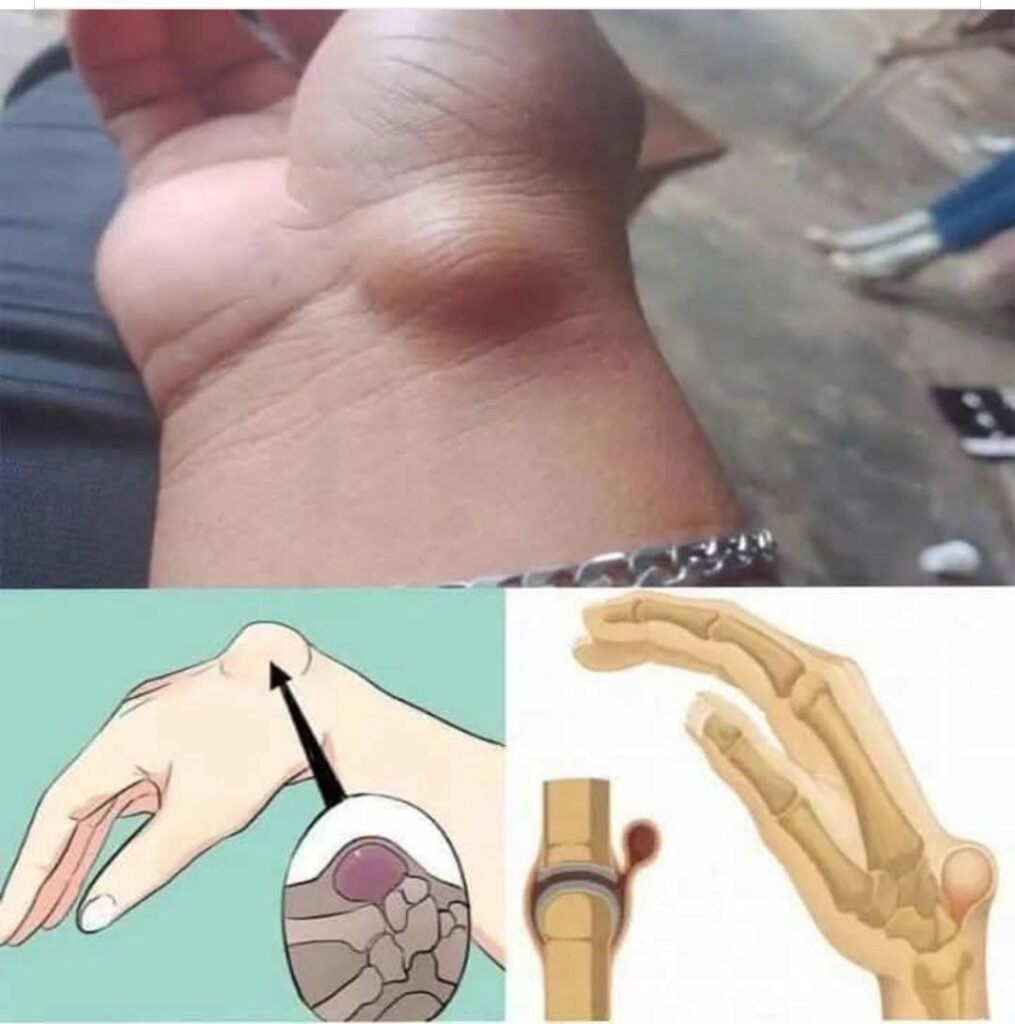
Wrist Lump: Causes, Symptoms, and When to See a Doctor
A wrist lump is a swelling that appears on the top, bottom, or side of the wrist. It may be small or large, soft or firm, and sometimes moves when touched. Most wrist lumps are harmless, but some may require medical attention. If you notice a new lump that grows, becomes painful, or limits movement, consult a healthcare professional for an accurate diagnosis.
1. What Is a Wrist Lump?
A wrist lump is an abnormal swelling that develops near the wrist joint, tendons, or soft tissues. It can appear on the back of the wrist, the palm side, or around the joints.
Common Features:
- Appears on the top or palm side of the wrist
- May feel soft, firm, or fluid-filled
- Can be painless or painful
- May stay the same size or slowly grow
- Sometimes moves slightly when touched
2. Common Causes of Wrist Lumps
There are several reasons why a lump may develop on the wrist. Only a doctor can determine the exact cause after an examination.
Common causes include:
- Ganglion cysts
- Repetitive hand movements
- Wrist injuries
- Arthritis
- Tendon inflammation
- Lipomas (fatty lumps)
- Other medical conditions
3. Warning Signs: When to See a Doctor
Don’t ignore changes in your wrist. Seek medical advice if you notice any of the following:
- The lump continues to grow
- Pain becomes worse
- Numbness or tingling develops
- Weak grip strength
- Difficulty moving the wrist
- Redness or warmth around the lump
- The lump appears after an injury
Early diagnosis helps identify the cause and allows proper treatment.
4. Diagnosis
A healthcare provider may perform:
- Physical examination
- X-rays
- Ultrasound
- MRI scan
- Fluid aspiration (if necessary)
These tests help determine the underlying cause of the lump.
5. Treatment Options
Treatment depends on the diagnosis and may include:
- Rest and avoiding repetitive activities
- Wearing a wrist brace
- Physical therapy
- Medication for pain or inflammation
- Draining certain cysts
- Surgery if recommended by a specialist
Avoid trying to pop or remove a wrist lump at home.
6. Tips for Healthy Wrists
- Take regular breaks during repetitive work.
- Stretch your wrists daily.
- Maintain proper posture while typing.
- Use ergonomic equipment.
- Exercise regularly.
- Eat a balanced diet to support joint health.
Final Thoughts
Most wrist lumps are non-cancerous and can be managed with proper care. However, if the lump grows, causes pain, or affects your daily activities, consult a qualified healthcare professional. Early diagnosis and treatment can help prevent complications and protect your wrist health.
When it appears on your chest too please.