
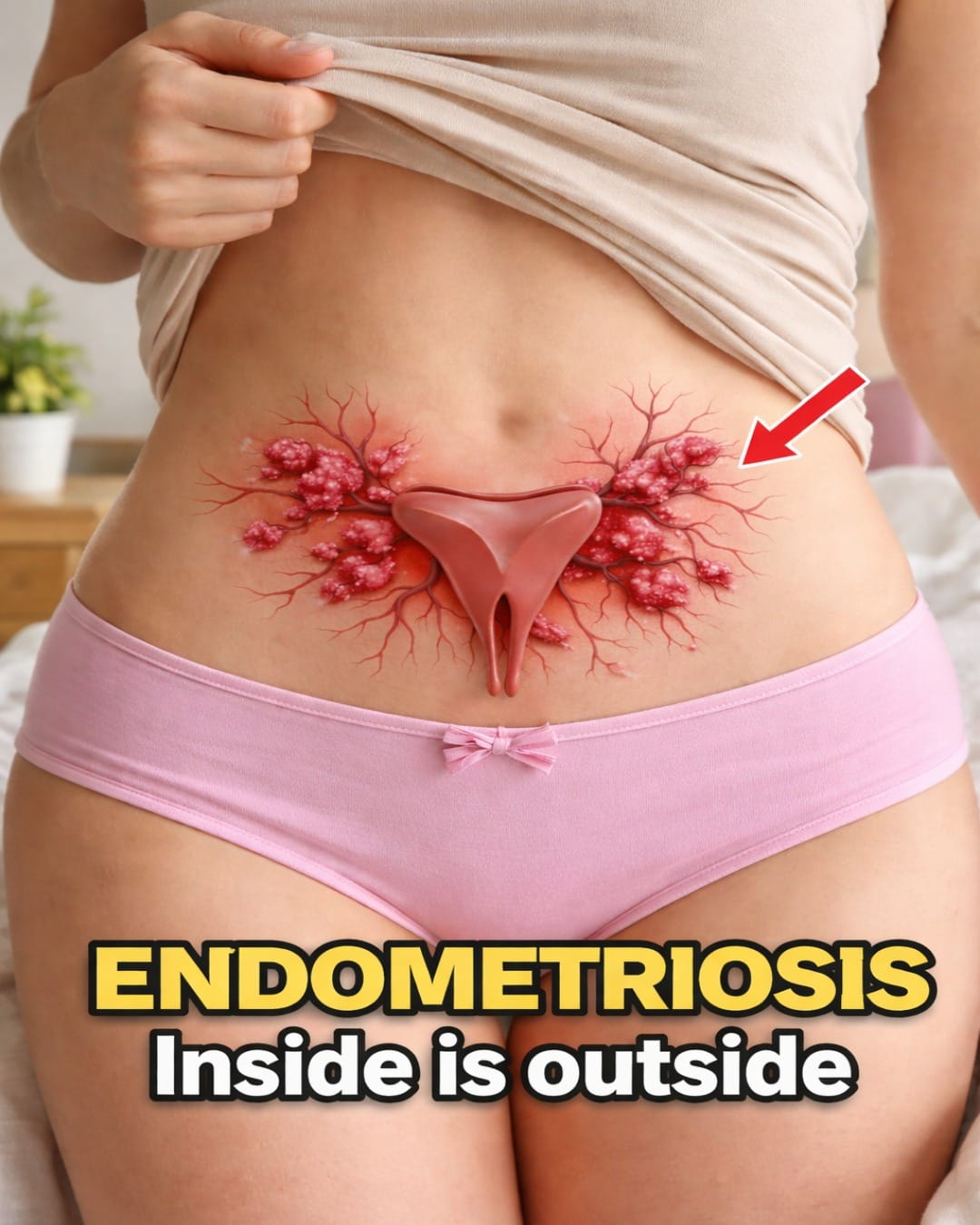
WOMEN SHOULD KNOW ABOUT ENDOMETRIOSIS
What Women Should Know About Endometriosis
Endometriosis is a condition where tissue similar to the lining of the uterus grows outside the uterus — commonly on the ovaries, fallopian tubes, bladder, bowel, or pelvic lining. These growths respond to hormonal changes and can cause inflammation, scarring, and significant pain.
It affects millions of women worldwide and is often underdiagnosed because symptoms are frequently mistaken for “normal period pain.”
Common Symptoms
Symptoms vary from person to person, but common signs include:
- Severe menstrual cramps
- Pelvic pain between periods
- Pain during or after sex
- Heavy periods or spotting
- Painful bowel movements or urination during periods
- Bloating (“endo belly”)
- Fatigue
- Difficulty getting pregnant or infertility
Some women have severe symptoms, while others may have little or no pain.
When to Seek Medical Attention
You should consider seeing a healthcare professional if:
- Period pain interferes with school, work, or daily activities
- Pain medication no longer helps
- Symptoms are getting worse over time
- You have trouble conceiving
- You experience chronic pelvic pain
Early diagnosis can help reduce long-term complications.
How It Is Diagnosed
Doctors may use:
- Medical history and pelvic exam
- Ultrasound imaging
- MRI in some cases
- Laparoscopy (a minor surgical procedure) — considered the most definitive diagnostic method
Diagnosis can sometimes take years because symptoms overlap with other conditions.
Treatment Options
Treatment depends on age, symptoms, and fertility goals.
Pain Management
- NSAIDs such as Ibuprofen
- Heat therapy
- Exercise and pelvic physiotherapy
Hormonal Treatments
These aim to reduce or stop menstruation:
- Birth control pills
- Hormonal IUDs
- Progestins
- GnRH medications
Surgery
Surgery may remove endometrial-like tissue, cysts, or scar tissue, especially when pain is severe or fertility is affected.
Fertility and Endometriosis
Not everyone with endometriosis becomes infertile, but the condition can make conception more difficult for some women. Fertility treatments and surgery may help depending on the situation.
Mental and Emotional Impact
Living with chronic pain can affect:
- Mental health
- Relationships
- Sleep
- Work and education
Support groups, counseling, and informed healthcare providers can make a major difference.
Important Myths to Avoid
- “Severe period pain is normal.” → It may not be.
- “Pregnancy cures endometriosis.” → Symptoms may improve temporarily, but it is not a cure.
- “A hysterectomy always cures it.” → Symptoms can persist in some cases.
Helpful Resources
- World Health Organization – Endometriosis Information
- Endometriosis Foundation of America
- NHS – Endometriosis Guide
If you want, I can also help with:
- early warning signs checklist
- diet and lifestyle tips
- fertility information
- symptom tracking templates
- differences between endometriosis and PCOS
- a simple awareness poster or infographic about endometriosis