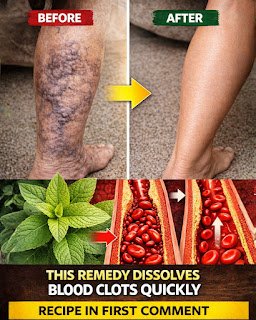
Why Blood Circulation in Your Legs Is More Important Than You Think
Poor blood circulation in the legs is more common than many people realize. It often occurs when veins struggle to push blood upward against gravity, leading to blood pooling in the lower extremities. This can result in symptoms like heaviness, swelling, discomfort, and visible vein changes.
While it may seem like a minor issue at first, research suggests that supporting vascular health through proper nutrition and lifestyle habits can significantly improve daily comfort and overall well-being.
🌿 Natural Plants Known to Support Blood Circulation
Several plant-based compounds have been studied for their potential to support circulation and reduce leg discomfort. While these are not medical treatments, they can play a supportive role in a balanced health routine.
1. Horse Chestnut Extract
Horse chestnut is one of the most researched herbal remedies for vein health.
- Contains aescin, which supports vein tone and fluid balance
- May help reduce swelling and heaviness in the legs
- Often used for chronic venous discomfort
Typical use: Standardized extract around 300 mg/day (50–150 mg aescin)
2. Butcher’s Broom (Ruscus aculeatus)
- Contains ruscogenins that help constrict blood vessels
- May reduce leg pain, cramps, and swelling
- Often combined with other circulation-supporting herbs
3. Ginger
- Rich in gingerol, known for anti-inflammatory effects
- Helps relax blood vessels and support healthy blood flow
- May reduce cold sensations or heaviness in the legs
- Easy to incorporate into daily meals or tea
4. Cayenne Pepper
- Contains capsaicin, which promotes nitric oxide release
- Helps widen blood vessels and improve circulation
- Should be introduced gradually in small amounts
5. Turmeric
- Contains curcumin, a powerful anti-inflammatory compound
- Supports vascular function and reduces oxidative stress
- More effective when combined with black pepper
6. Gotu Kola (Centella asiatica)
- Supports connective tissue and microcirculation
- Helps strengthen vein walls
- May reduce swelling and improve leg comfort
👉 Additionally, flavonoid-rich sources such as grape seed extract and maritime pine bark are often discussed for their antioxidant and circulation-supporting properties.
🧉 Safe and Simple Ways to Use These Herbs
You don’t need complicated routines—consistency is key.
Herbal Tea
- Brew fresh ginger (1–2 cm for 10 minutes)
- Or turmeric (½ teaspoon + a pinch of black pepper)
Add to Meals
- Include ginger or cayenne in soups, stir-fries, or smoothies
Supplements
- Choose trusted products for horse chestnut or butcher’s broom
Combination Idea
- A daily tea made from ginger + turmeric + honey
Support with Healthy Habits
- Elevate your legs for 15 minutes daily
- Walk at least 30 minutes a day
- Perform calf exercises regularly
Diet Tips
- Eat berries, citrus fruits, onions, and garlic
- Focus on antioxidant-rich foods
👉 Start gradually and observe how your body responds.
📊 Comparison of Circulation-Supporting Herbs
| Herb | Active Compound | Main Benefit | Form | Notes |
|---|---|---|---|---|
| Horse Chestnut | Aescin | Reduces swelling | Capsules | Strong evidence |
| Butcher’s Broom | Ruscogenin | Relieves cramps | Capsule/Tea | Often combined |
| Ginger | Gingerol | Improves blood flow | Tea/Fresh | Easy daily use |
| Cayenne | Capsaicin | Dilates vessels | Powder | Start small |
| Turmeric | Curcumin | Anti-inflammatory | Tea/Powder | Add black pepper |
🏃 Lifestyle Habits That Improve Circulation
- Engage in light exercise (walking, swimming)
- Avoid sitting or standing for long periods
- Consider compression socks if needed
- Maintain a healthy body weight
✅ Conclusion
Supporting blood circulation in your legs doesn’t require drastic changes. A combination of herbal support—such as horse chestnut, ginger, and turmeric—along with healthy lifestyle habits can help many people feel lighter and more comfortable.
✨ A simple daily habit worth trying: ginger and turmeric tea.
Start slowly, stay consistent, and pay attention to your body’s response.
❓ Frequently Asked Questions
Can herbs replace medical treatment?
No. Herbs are supportive tools, not substitutes for medical care.
When can results be noticed?
Some people report improvements within 4–8 weeks of consistent use.
Are there any risks?
Yes. Some herbs may interact with medications or cause mild side effects. Always consult a healthcare professional before use.
⚠️ Disclaimer
This content is for informational purposes only and does not constitute medical advice. Herbal remedies and supplements may interact with medications or existing health conditions. Always consult a qualified healthcare professional before starting any new regimen.