
What Your Sleeping Position Might Reveal About Your Personality
The Straight Sleeper
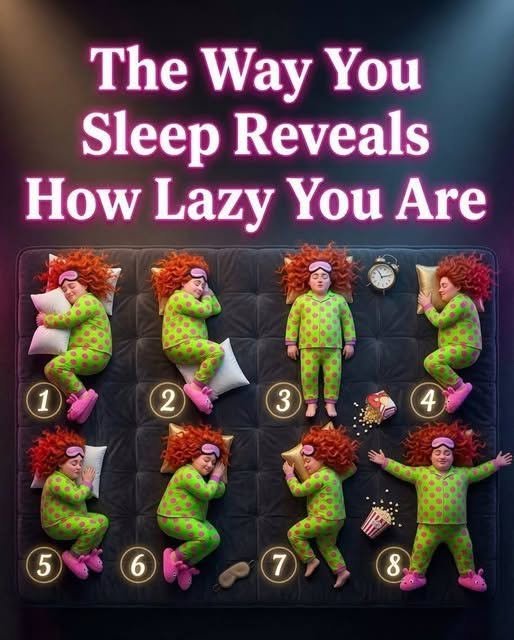
Straight sleepers usually lie neatly on their back or side with very little movement during the night. According to popular personality interpretations, this sleeping style is often linked with people who value structure, responsibility, and consistency.
They tend to prefer planning over impulsive decisions and often approach life with patience and careful thought.
Common Traits:
- Organized and reliable
- Goal-oriented
- Patient decision-makers
- Loyal and trustworthy
The Starfish Sleeper
Starfish sleepers spread out comfortably across the bed with their arms and legs extended. This position is often associated with people who value balance, comfort, and personal well-being.
They are often described as generous listeners who enjoy supporting friends and family. Although they may appear relaxed and carefree, they can have a deeply caring nature.
Common Traits:
- Generous and supportive
- Relaxed personality
- Good listeners
- Value emotional balance
The Curled-Up Sleeper
The curled-up or fetal position is one of the most common sleeping styles. People who sleep this way often pull their knees toward their chest, creating a sense of comfort and protection.
Popular interpretations suggest that these individuals may be thoughtful about trust and careful about sharing their emotions. However, once they form close bonds, they are often deeply loyal.
Common Traits:
- Protective of their emotions
- Loyal and dependable
- Thoughtful and cautious
- Value close relationships
The Casual Side Sleeper
Many people naturally sleep on their side without tightly curling their body. This balanced sleeping style is often linked with practicality and adaptability.
Casual side sleepers are believed to understand the importance of productivity while still making time for rest and personal well-being.
Common Traits:
- Practical and efficient
- Adaptable to change
- Balanced outlook
- Good stress management
The Pillow Hugger
Some people sleep while holding a pillow close to their body. According to popular beliefs, pillow huggers often seek comfort, security, and emotional connection.
They are usually described as caring individuals who value relationships and enjoy creating warm, supportive environments.
Common Traits:
- Caring and compassionate
- Emotionally aware
- Value comfort and security
- Strong relationship builders
The Half-Turn Sleeper
Half-turn sleepers frequently change positions during the night instead of staying in one posture. This flexibility is often associated with adaptability and openness to change.
These individuals may be creative problem-solvers who handle unexpected situations well, although having many choices can sometimes make decisions more difficult.
Common Traits:
- Flexible and adaptable
- Creative thinkers
- Open to new experiences
- Resilient during change
What Sleeping Positions Really Mean
It is important to remember that sleeping positions are influenced by many factors, including:
- Comfort preferences
- Mattress quality
- Room temperature
- Health conditions
- Injuries or body discomfort
- Daily habits
No sleeping position can completely define a person’s character. Human beings are far too complex for that.
Still, these patterns are fascinating because they reflect something universal — the ways we seek comfort, safety, and recovery.
Some people spread out.
Others pull inward.
Some prefer structure.
Others prefer flexibility.
None of these approaches are right or wrong. They are simply different ways people find comfort in life.
The Bigger Lesson
The most interesting thing about sleeping positions may not be what they reveal about personality, but what they reveal about self-care.
Every day, people experience stress, responsibilities, and emotional challenges. Sleep gives the body a chance to recover and restore itself.
Whether you sleep like a starfish, hug a pillow, curl into a ball, or stretch your arms above your head, your body is doing what it was designed to do:
Recover.
Recharge.
Restore.
So the next time you wake up in your favorite sleeping position, don’t see it as a judgment of who you are. Instead, view it as a small reflection of how your body finds comfort, preserves energy, and prepares for another day.