What Those Red Spots on Your Skin Really Mean: A Guide to Knowing When to Worry
What Those Red Spots on Your Skin Really Mean: A Guide to Knowing When to Worry
Red Spots on Skin: Common Causes, Warning Signs, and When to See a Doctor
Finding a new red spot on your skin can be unsettling.
Is it a harmless insect bite? A heat rash? An allergic reaction? Or could it be something that requires medical attention?
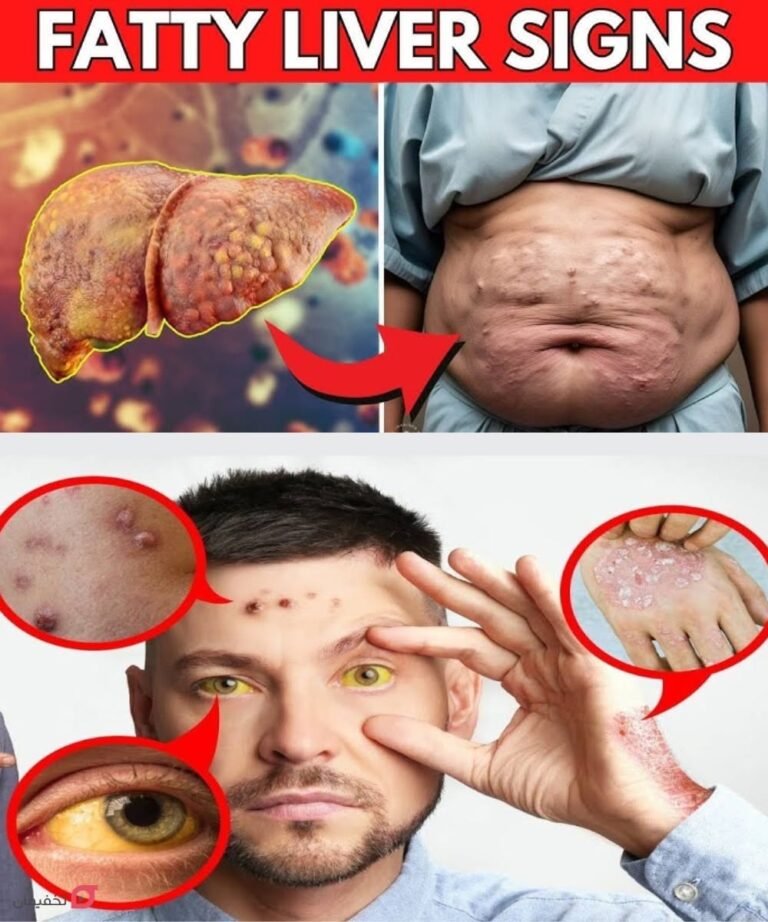
The truth is that your skin often acts like a window into your overall health. From allergies and irritation to infections and immune system responses, even small changes in your skin can provide valuable clues about what’s happening inside your body.
The good news is that most red spots are harmless and disappear on their own. However, understanding the difference between common causes and warning signs can help you know when simple home care is enough—and when it’s time to speak with a healthcare professional.
Why Do Red Spots Appear on the Skin?
Red spots usually develop when tiny blood vessels near the surface of the skin become inflamed, irritated, or dilated.
This can happen for many reasons, including:
- Allergic reactions
- Heat and sweating
- Friction or shaving
- Viral or bacterial infections
- Skin inflammation
- Autoimmune conditions
- Reactions to skincare products or fabrics
- Insect bites
Some spots remain tiny and harmless, while others may spread, itch, swell, or change appearance over time.
The pattern and symptoms often provide important clues about the underlying cause.
Common Harmless Causes of Red Spots
Most red spots fall into this category and improve with simple care or time.
Contact Dermatitis
Contact dermatitis occurs when your skin reacts to something it touched.
Common triggers include:
- Harsh soaps
- Cleaning products
- Fragrances
- Nickel jewelry
- Poison ivy
- Certain cosmetics or skincare products
Symptoms may include:
- Redness
- Itching
- Mild swelling
- Dry or flaky skin
Removing the trigger usually allows the skin to heal naturally.
Folliculitis
Folliculitis occurs when hair follicles become irritated or inflamed.
It often looks like:
- Small red bumps
- Acne-like spots
- Tiny white or pus-filled bumps
Common causes include:
- Shaving
- Tight clothing
- Excess sweating
- Friction during exercise
Gentle cleansing and reducing irritation often help symptoms improve.
Heat Rash (Miliaria)
Heat rash develops when sweat becomes trapped beneath the skin.
It is especially common during:
- Hot weather
- Humid conditions
- Exercise
- Wearing tight clothing
Symptoms include:
- Tiny red bumps
- Mild itching
- A prickly or burning sensation
Keeping the skin cool and dry usually resolves symptoms quickly.
Insect Bites
Mosquitoes, fleas, bed bugs, and other insects commonly leave behind red, itchy bumps.
Typical signs include:
- Itching
- Swelling
- A visible bite mark or puncture point
Most bites improve within a few days.
Cherry Angiomas
Cherry angiomas are small collections of blood vessels that appear as bright red bumps.
They are:
- Common with aging
- Usually harmless
- Often permanent but stable
Treatment is generally unnecessary unless they bleed frequently or become bothersome cosmetically.
Skin Conditions That May Require Medical Treatment
Some skin conditions are long-term or recurring and often benefit from professional care.
Eczema (Atopic Dermatitis)
Eczema commonly causes:
- Dry skin
- Intense itching
- Red patches
- Cracking or irritation
Common triggers include:
- Allergies
- Stress
- Cold weather
- Harsh soaps
Daily moisturizing and avoiding triggers can help reduce flare-ups.
Psoriasis
Psoriasis is an autoimmune condition that causes rapid skin cell turnover.
Symptoms may include:
- Thick red patches
- Silvery scales
- Dry or cracked skin
- Itching or discomfort
Treatment options vary depending on severity.
Rosacea
Rosacea primarily affects the face and may cause:
- Persistent redness
- Visible blood vessels
- Acne-like bumps
- Flushing episodes
Common triggers include:
- Sun exposure
- Stress
- Alcohol
- Spicy foods
- Hot beverages
Pityriasis Rosea
This condition often begins with one larger patch followed by multiple smaller spots on the chest or back.
Although it may appear alarming, it often resolves on its own within several weeks.
Hives (Urticaria)
Hives are raised, itchy welts that can appear suddenly and move around the body.
Common triggers include:
- Food allergies
- Medications
- Viral infections
- Stress
- Environmental factors
Recurring hives should be evaluated by a healthcare provider.
Warning Signs That Should Never Be Ignored
Although most red spots are harmless, certain symptoms deserve prompt medical attention.
The ABCDEF Skin Warning Guide
A — Asymmetry
One side looks different from the other.
B — Border
Edges appear irregular, blurry, or uneven.
C — Color
Multiple colors or uneven pigmentation are present.
D — Diameter
The spot is larger than approximately 6 millimeters.
E — Evolving
The spot changes in size, shape, color, or texture over time.
F — Feels Different
The spot:
- Bleeds
- Crusts
- Hurts
- Itches persistently
- Does not heal normally
Seek Medical Care Immediately If You Notice:
- Fever or chills
- A rapidly spreading rash
- Difficulty breathing
- Swelling of the lips or face
- Red streaks spreading from a wound
- Severe pain
- Skin warmth and swelling
- A new rash after starting medication
These symptoms may indicate infection or a serious allergic reaction that requires urgent medical care.
What Should You Do If You Notice a Red Spot?
1. Don’t Panic
The majority of skin changes are harmless and temporary.
2. Observe the Spot Carefully
Pay attention to:
- When it appeared
- Whether it changes
- Any itching or pain
- Possible triggers
- New foods, medications, or products
Taking photos can help monitor changes accurately.
3. Protect the Skin
Avoid:
- Scratching
- Picking
- Excessive sun exposure
- Harsh skincare products
Gentle care often prevents further irritation.
4. Seek Professional Advice If Needed
If the spot is persistent, unusual, or concerning, consult a healthcare professional or dermatologist.
Early evaluation often provides reassurance and appropriate treatment if necessary.
Frequently Asked Questions
Are most red spots dangerous?
No. Most are caused by irritation, allergies, or minor skin conditions.
When should I see a doctor about a red spot?
If it changes rapidly, bleeds, becomes painful, spreads, or fails to heal, it should be evaluated.
Can stress cause red spots?
Yes. Stress can worsen eczema, rosacea, hives, and other inflammatory skin conditions.
Are itchy spots usually serious?
Not necessarily. Many harmless conditions cause itching, including insect bites and allergies.
Can skin cancer appear as a red spot?
Yes. Some forms of skin cancer can appear as red or non-healing patches, which is why persistent changes should be examined.
You May Also Like
- Early Signs of Dehydration You Should Know
- Common Skin Symptoms That Deserve Attention
- Healthy Habits for Better Skin
- Signs of Allergic Reactions on the Skin
- Why Annual Health Checkups Matter
- Everyday Habits That Support Healthy Aging
Final Thoughts
Your skin is one of your body’s most visible and informative organs.
Most red spots are harmless, temporary, and easy to manage. But paying attention to unusual or persistent changes can help protect your long-term health.
The goal isn’t fear.
It’s awareness.
Because sometimes your body whispers before it screams—and learning to recognize those signals may be one of the most valuable health habits you can develop.
Medical Disclaimer: This article is intended for educational purposes only and should not replace professional medical advice, diagnosis, or treatment. If you have concerns about a skin change or rash, consult a qualified healthcare professional.