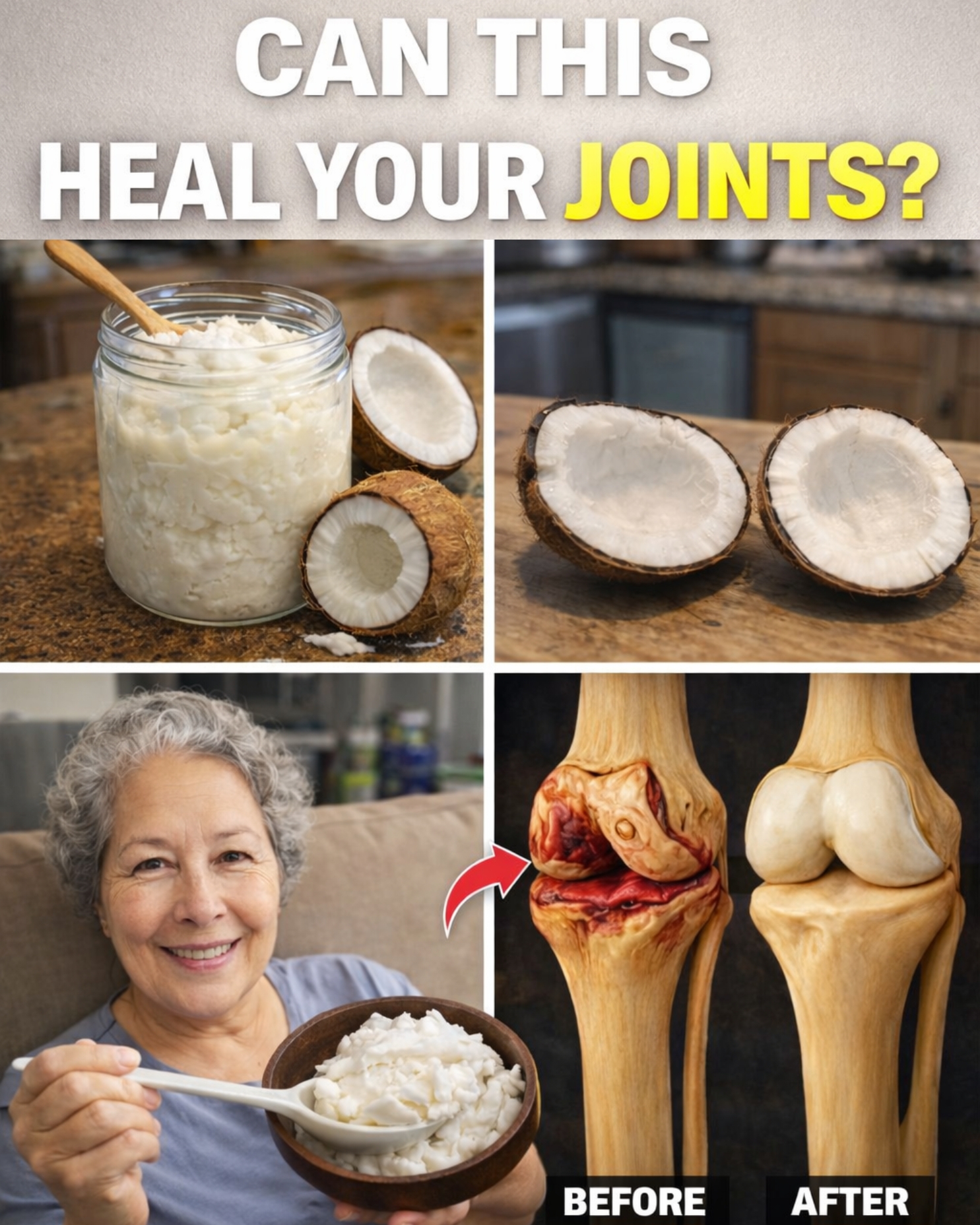
What a 97 Year Old Orthopedic Doctor Recommends for Supporting Knee Cartilage Health with Coconut
As we age, many individuals experience increasing knee stiffness and discomfort that can turn simple daily tasks into real challenges, limiting mobility and affecting quality of life in ways that feel frustrating and isolating at times. This common issue often stems from natural wear on joint structures over the years, making it harder to stay active and independent. The good news is that certain everyday foods might offer supportive benefits for overall joint comfort, sparking interest among health professionals. One seasoned orthopedic doctor with decades of experience has highlighted a particular food that could be worth exploring as part of a balanced approach to knee health – and the details could change how you think about your kitchen staples.

Understanding Knee Cartilage and Why It Matters with Age
Knee cartilage acts like a smooth cushion between your bones, absorbing shock and allowing easy movement without friction. Over time, everyday wear, reduced activity, or natural aging can affect its resilience, leading to that familiar stiffness many people notice after 50 or 60. This is not something that happens overnight, but small daily habits can make a difference in how your joints feel. The key is focusing on supportive nutrition rather than expecting dramatic overnight fixes. That is where something as simple and accessible as coconut enters the conversation.
Insights from a Long-Time Orthopedic Expert
A 97-year-old orthopedic doctor who has spent his career helping patients maintain mobility recently shared his perspective on everyday foods that may play a supportive role. Drawing from years of observing patient outcomes, he pointed to coconut as one option worth considering alongside standard care. His view aligns with growing interest in natural dietary approaches that complement medical guidance. But here is the interesting part – it is not about exotic supplements or complicated routines. It is something you can find in most grocery stores and incorporate without much effort.
The Science Supporting Coconut’s Role in Joint Health
Research has explored how certain components in coconut might help support joint comfort. For instance, a study published in Functional Foods in Health and Disease examined virgin coconut oil alongside vitamin D3 and found it contributed to reduced markers of cartilage degeneration, lower inflammation, and better functional abilities in people with early knee osteoarthritis. Another investigation highlighted lauric acid, the main fatty acid in coconut, showing a protective effect on cartilage composition compared to other saturated fats from animal sources. Studies on polyphenolics from virgin coconut oil also demonstrated anti-inflammatory and antioxidant actions in animal models of arthritis. These findings suggest coconut may help create a more supportive environment for joints when used consistently as part of a healthy diet. Here is where it gets exciting – the benefits seem tied to its unique medium-chain triglycerides and natural compounds that promote a calmer inflammatory response.
But that is not the whole story. Coconut also provides quick energy through MCTs, which can encourage more movement without the heavy feeling some other fats create. This matters because staying gently active is one of the best ways to keep cartilage nourished through better circulation.

Key Nutrients in Coconut That May Aid Joint Support
Coconut stands out for several reasons that make it easy to love in a daily routine:
- Lauric acid – this saturated fat has shown anti-inflammatory properties that may help ease everyday joint discomfort.
- Medium-chain triglycerides (MCTs) – they convert to energy quickly, supporting overall vitality and encouraging light activity.
- Polyphenols and antioxidants – these natural compounds combat oxidative stress that can affect joint tissues over time.
- Vitamins and minerals – including small amounts of manganese and copper that play roles in connective tissue health.
These elements work together in a way that feels gentle and sustainable rather than aggressive.
Easy Steps to Add Coconut to Your Daily Diet
Ready to try this supportive approach? Here are simple, step-by-step ways to include coconut without changing your whole lifestyle:
- Start your morning with a teaspoon of virgin coconut oil melted into coffee or tea – it creates a creamy texture and delivers the compounds early in the day.
- Sprinkle unsweetened shredded coconut over oatmeal, yogurt, or smoothies for a subtle tropical flavor and extra fiber.
- Use coconut oil instead of butter when sautéing vegetables or scrambling eggs – it stands up to medium heat and adds a mild sweetness.
- Blend coconut milk into soups or sauces for creaminess that supports your joints while making meals more enjoyable.
- Snack on small pieces of fresh coconut meat a few times a week – it provides the whole food form with all its natural benefits.
Begin with small amounts to see how your body responds, then adjust gradually over a couple of weeks.
Potential Benefits Backed by Evidence
Many people report feeling more comfortable during daily activities after consistently adding coconut to their meals. The anti-inflammatory effects noted in research may help reduce that background stiffness that builds up by afternoon. One animal study even showed improved arthritis symptoms when virgin coconut oil was included regularly. Of course, results vary by individual, and coconut works best alongside other healthy habits like gentle walking or strength exercises. Here is the part that surprises most readers – you do not need fancy brands or expensive preparations. Plain virgin coconut oil or fresh coconut from the produce section delivers the supportive compounds effectively.

Comparing Coconut to Other Common Joint-Friendly Foods
It helps to see coconut in context with other popular options:
- Coconut vs. olive oil: Coconut offers unique MCTs and lauric acid for quick energy and targeted anti-inflammatory action, while olive oil excels in heart-healthy monounsaturated fats.
- Coconut vs. fish oil: Both provide anti-inflammatory benefits, but coconut is plant-based, shelf-stable, and easier for those who avoid seafood.
- Coconut vs. turmeric: Turmeric is strong for curcumin, yet coconut adds creaminess and sustained energy without needing black pepper for absorption.
This simple comparison shows coconut fits neatly into many eating styles without competing with other supportive foods.
Tips for Best Results and Common Mistakes to Avoid
Consistency matters more than quantity. Aim for one to two tablespoons of coconut oil or equivalent fresh coconut daily rather than loading up at once. Pair it with vitamin D-rich foods or sunlight exposure, as some studies combined the two for better outcomes. Avoid heating coconut oil to very high temperatures, which can reduce its beneficial compounds – medium heat is ideal. A common mistake is expecting instant changes; supportive effects build gradually over weeks as part of an overall healthy pattern. Listen to your body and track how your knees feel during familiar activities like climbing stairs or gardening.
Wrapping Up the Supportive Power of Coconut for Knee Health
Incorporating coconut offers a practical, approachable way to nurture joint comfort naturally. The insights from experienced doctors and supporting research point to its potential as a gentle daily ally. When combined with movement, good sleep, and professional medical guidance, it becomes part of a well-rounded strategy for staying active longer. The best part is how accessible and affordable it remains – no special equipment or prescriptions required.
Frequently Asked Questions
How much coconut is recommended daily for joint support? Most suggestions start with one to two tablespoons of virgin coconut oil or a small handful of fresh coconut meat. This amount provides the beneficial compounds without overloading your system. Adjust based on your overall calorie needs and how your body feels.
Is coconut safe for everyone, including those with dietary restrictions? Coconut is naturally gluten-free, dairy-free, and suitable for many diets, but people with tree nut allergies should check with a doctor first. It is also high in saturated fat, so those monitoring cholesterol may want to discuss portions with their healthcare provider.
Can coconut replace other treatments for knee discomfort? No single food replaces professional medical care, physical therapy, or prescribed treatments. Coconut serves as a supportive addition to a comprehensive plan discussed with your doctor. Always prioritize personalized advice for your specific situation.
Disclaimer This article is for informational and educational purposes only and is not intended as medical advice, diagnosis, or treatment. The information provided should not replace consultation with a qualified healthcare professional. Individual results may vary, and dietary changes should be discussed with your doctor, especially if you have existing health conditions or take medications.