
Understanding Kidney Health: Signs to Discuss With Your Doctor
1. What Do Your Kidneys Do?
Your kidneys are two bean-shaped organs that perform several essential functions to keep your body healthy. Because they often continue working even when kidney function is reduced, kidney disease may not cause noticeable symptoms in its early stages. Regular medical checkups can help detect problems early.
Key kidney functions:
- Filter waste: Remove waste products and excess fluid from the blood.
- Balance electrolytes: Help regulate sodium, potassium, calcium, and other minerals.
- Support blood pressure: Produce hormones involved in blood pressure regulation.
- Promote bone health: Activate vitamin D to help maintain healthy bones.
- Support red blood cell production: Produce a hormone (erythropoietin) that helps the body make red blood cells.
2. General Signs People Discuss With Their Doctors
Many symptoms associated with kidney problems can also occur with a wide range of other medical conditions. Only a healthcare professional can determine the underlying cause.
Symptoms that people commonly discuss with their healthcare provider include:
- Persistent fatigue or low energy
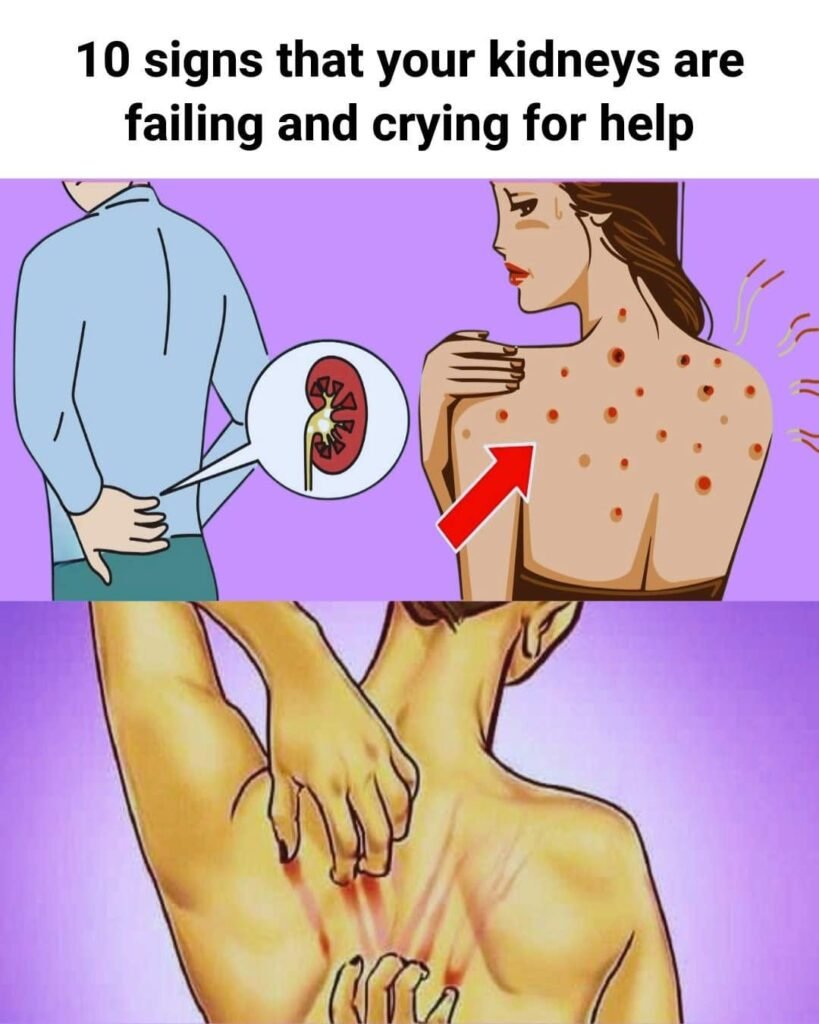
- Swelling in the feet, ankles, legs, hands, or around the eyes
- Changes in urination, such as frequency, color, or amount
- Blood or foam in the urine
- Itchy skin
- Nausea or reduced appetite
- Shortness of breath
- Difficulty concentrating
- Muscle cramps
- Persistent discomfort in the back or side
- Sleep problems
Important: These symptoms may also result from dehydration, infections, medication side effects, heart conditions, liver disease, or many other health issues. They are not specific to kidney disease.
3. Tips for Supporting Kidney Health
Healthy lifestyle habits can help support kidney function and overall well-being.
Daily habits that support kidney health:
- Drink enough water to stay hydrated unless your healthcare provider recommends otherwise.
- Eat a balanced diet rich in fruits, vegetables, whole grains, and lean proteins.
- Limit excess sodium by reducing highly processed foods.
- Stay physically active most days of the week.
- Avoid smoking and limit alcohol intake.
- Use over-the-counter pain medicines, especially NSAIDs, only as directed and discuss long-term use with your healthcare provider.
- Manage chronic conditions such as high blood pressure and diabetes.
- Maintain a healthy weight.
4. When to See a Healthcare Provider
It’s important not to self-diagnose kidney disease based on symptoms alone.
Schedule a medical evaluation if you experience:
- Persistent fatigue or unexplained swelling
- Ongoing changes in urination
- Blood in your urine
- Persistent nausea, itching, or loss of appetite
- Shortness of breath without a clear cause
- A history of diabetes, high blood pressure, or kidney disease in your family
- Concerns about your kidney health or medications
Prompt evaluation can help identify kidney disease or other medical conditions that may require treatment.
5. Professional Evaluation and Testing
Healthcare providers can assess kidney function using several routine tests.
Your doctor may recommend:
- Blood tests to measure creatinine and estimate your glomerular filtration rate (eGFR)
- Urine tests to check for protein, blood, or other abnormalities
- Blood pressure measurement, since high blood pressure and kidney disease often affect each other
- Imaging tests, such as an ultrasound, if needed
- Referral to a nephrologist (kidney specialist) when appropriate
Early detection and ongoing monitoring can help protect kidney function and guide treatment if necessary.
6. Final Note
Your kidneys play a vital role in maintaining your overall health. While symptoms can sometimes signal kidney disease, they often have many other possible causes. The best way to protect your kidney health is through healthy lifestyle habits, regular medical checkups, and prompt evaluation of persistent or concerning symptoms.