
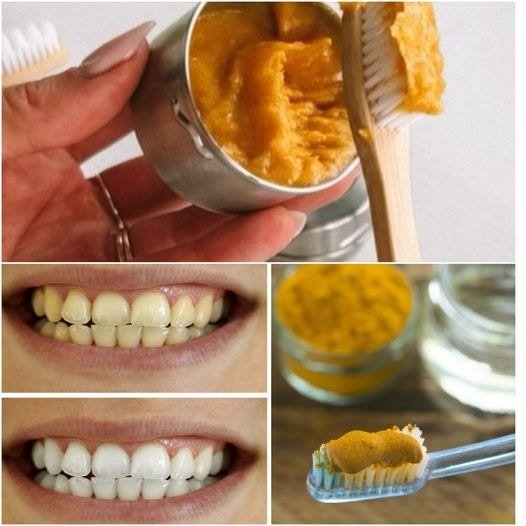
Turmeric for Teeth: Can It Whiten Your Teeth? Facts, Benefits, Risks, and Safe Oral Care Tips
Bright white teeth are a common beauty goal, and social media is full of DIY remedies claiming to whiten teeth naturally. One of the most popular trends involves brushing with turmeric, often mixed with coconut oil, baking soda, or other household ingredients. Supporters claim it removes stains, improves gum health, and creates a brighter smile within days.
While turmeric has long been valued in cooking and traditional wellness practices, it is important to separate scientific evidence from online myths. Understanding what turmeric can—and cannot—do helps you make safer choices for your oral health.
What Is Turmeric?
Turmeric is a bright yellow spice obtained from the root of the Curcuma longa plant. It is widely used in Asian cuisine and has been studied for its natural compound called curcumin, which has antioxidant and anti-inflammatory properties.
Researchers continue to investigate curcumin’s potential health benefits, including its possible role in supporting oral health. However, current evidence does not show that turmeric is a proven teeth-whitening treatment.
Can Turmeric Whiten Teeth?
Many viral videos show dramatic before-and-after photos after brushing with turmeric. In reality, there is no strong scientific evidence that turmeric can significantly whiten teeth.
Some people report that their teeth appear cleaner after brushing because surface plaque may be removed during brushing itself. The brushing action—not the turmeric—is likely responsible for much of the effect.
Turmeric can temporarily stain the tongue, toothbrush, gums, and sink because of its strong yellow pigment, although these stains usually wash away from teeth after normal brushing.
Possible Oral Health Benefits of Turmeric
Although turmeric is not a replacement for professional dental care, researchers continue studying its potential benefits.
Some preliminary research suggests turmeric may:
- Support healthy gums because of its anti-inflammatory properties.
- Provide antioxidant compounds that help protect tissues.
- Complement good oral hygiene when used safely.
These findings are still being studied, and turmeric should not replace fluoride toothpaste or professional dental treatment.
Evidence-Based Ways to Keep Teeth White
Dentists recommend consistent daily habits rather than viral DIY remedies.
Brush Twice Daily
Brush your teeth for at least two minutes using a fluoride toothpaste to remove plaque and reduce the risk of cavities.
Floss Every Day
Flossing removes food particles and plaque from areas your toothbrush cannot reach, supporting healthier gums.
Limit Foods That Cause Stains
Coffee, tea, red wine, tobacco, and deeply colored foods can gradually stain tooth enamel. Rinsing your mouth with water after consuming them may help reduce staining.
Visit Your Dentist Regularly
Professional dental cleanings every six months help remove tartar and surface stains while allowing early detection of dental problems.
Choose Professional Teeth Whitening
If you want noticeably whiter teeth, speak with your dentist about professionally supervised whitening treatments, which are safer and more effective than most home remedies.
Risks of DIY Whitening Pastes
Many homemade whitening recipes combine turmeric with baking soda, salt, charcoal, or lemon juice.
These mixtures may carry risks such as:
- Wearing down tooth enamel due to abrasiveness.
- Increased tooth sensitivity.
- Temporary staining of gums and soft tissues.
- Lack of fluoride protection against cavities.
- Delaying professional dental care for underlying problems.
Healthy enamel cannot grow back once it has been worn away, making gentle oral care especially important.
When Should You See a Dentist?
Schedule a dental appointment if you experience:
- Persistent tooth pain
- Sensitive teeth
- Bleeding or swollen gums
- Loose teeth
- Dark stains that do not improve with routine cleaning
- Questions about safe whitening treatments
A dentist can identify the cause of discoloration and recommend the most appropriate treatment for your individual needs.
Final Thoughts
Turmeric is a nutritious spice with a long history of culinary and traditional use, but it should not be viewed as a miracle teeth-whitening solution. Current scientific evidence does not support claims that turmeric can dramatically whiten teeth.
For a healthy, bright smile, focus on proven habits such as brushing twice daily with fluoride toothpaste, flossing every day, limiting stain-causing foods, and visiting your dentist regularly. If you are considering teeth whitening, professional dental treatments remain the safest and most effective option.