
Tongue Health: What Your Tongue Can Tell You About Oral Wellness
Your tongue is an important part of your mouth that helps with tasting, speaking, chewing, and swallowing. It can also provide useful clues about your oral health. Changes in the color, texture, or appearance of your tongue may happen due to everyday factors such as food, hydration, and oral hygiene.
While many tongue changes are temporary and harmless, some lasting changes may need professional attention. Regular dental checkups and good oral care habits can help maintain a healthy tongue and mouth.
1. Why Tongue Health Matters
The tongue is a muscular organ that performs several important functions in daily life.
Key Functions of the Tongue:
- Helps detect different tastes through taste buds
- Supports clear speech and communication
- Helps move food while chewing and swallowing
- Contributes to overall oral health
The surface of the tongue contains tiny structures called papillae, which help with taste and texture sensation. These areas can collect food particles and bacteria, making proper cleaning important.
Factors that can affect tongue health include:
- Diet and food choices
- Hydration levels
- Oral hygiene habits
- Smoking or tobacco use
- Certain medications
- Overall health conditions
Dentists usually examine the tongue during routine dental visits as part of a complete oral health check.
2. Common Changes People Notice on the Tongue
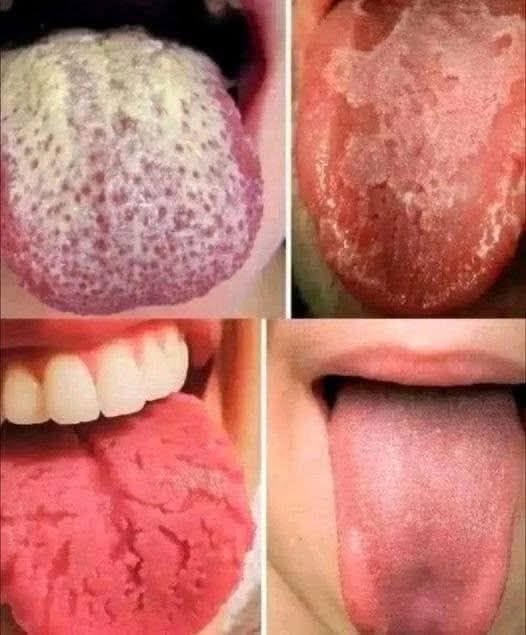
The appearance of your tongue can naturally change from day to day. Many changes are temporary and may improve with better hygiene or lifestyle adjustments.
Common tongue changes include:
White or Yellow Coating
A coating on the tongue may occur due to:
- Food particles
- Bacteria buildup
- Dehydration
- Poor oral hygiene
Regular brushing and cleaning the tongue can help reduce buildup.
Redness or Smooth Appearance
A red or unusually smooth tongue may appear because of:
- Certain foods or drinks
- Irritation
- Nutritional factors
- Other health-related causes
Cracks or Grooves
Some people naturally have grooves or cracks on their tongue. These are often harmless, but keeping the tongue clean and staying hydrated can support oral comfort.
Dark or Unusual Spots
Dark patches or unusual areas may develop due to:
- Food and drink staining
- Certain habits
- Other oral conditions
A dental professional can determine the exact reason for any persistent changes.
3. When Should You See a Dentist or Doctor?
Many tongue changes are not serious, but some symptoms should be checked by a healthcare professional.
Seek medical or dental advice if you notice:
- Changes lasting longer than two weeks
- Persistent tongue pain or burning
- Swelling or unusual lumps
- Sores that do not heal
- Difficulty eating, speaking, or swallowing
- Changes accompanied by fever or other symptoms
Early evaluation can help identify potential problems and provide appropriate treatment if needed.
4. Daily Tips for a Healthy Tongue
Maintaining good oral hygiene is one of the best ways to support tongue health.
Helpful daily habits include:
- Brush your tongue gently while brushing your teeth.
- Drink enough water throughout the day.
- Brush twice daily with fluoride toothpaste.
- Avoid tobacco products.
- Limit excessive alcohol consumption.
- Eat a balanced diet rich in fruits and vegetables.
- Use mouthwash if recommended by your dentist.
- Schedule regular dental checkups.
A clean tongue can also help improve breath freshness and overall mouth comfort.
5. The Role of Professional Dental Care
Dentists and oral health professionals play an important role in maintaining a healthy mouth. During routine visits, they can examine the tongue, gums, teeth, and other oral tissues.
Professional care may include:
- Complete oral examinations
- Advice on proper cleaning techniques
- Recommendations for oral care products
- Guidance about diet and hydration
- Referral to a healthcare provider if further evaluation is needed
Regular dental visits help detect changes early and support long-term oral wellness.
6. Final Thoughts
Your tongue can provide important information about your oral health, but changes in appearance do not always indicate a serious problem. Many common changes are related to simple factors such as food, hydration, and hygiene.
The best way to protect your tongue and overall oral health is through daily care, regular dental checkups, and professional advice when needed. Avoid self-diagnosing based only on online images, and consult a qualified dentist or healthcare provider for accurate evaluation.