
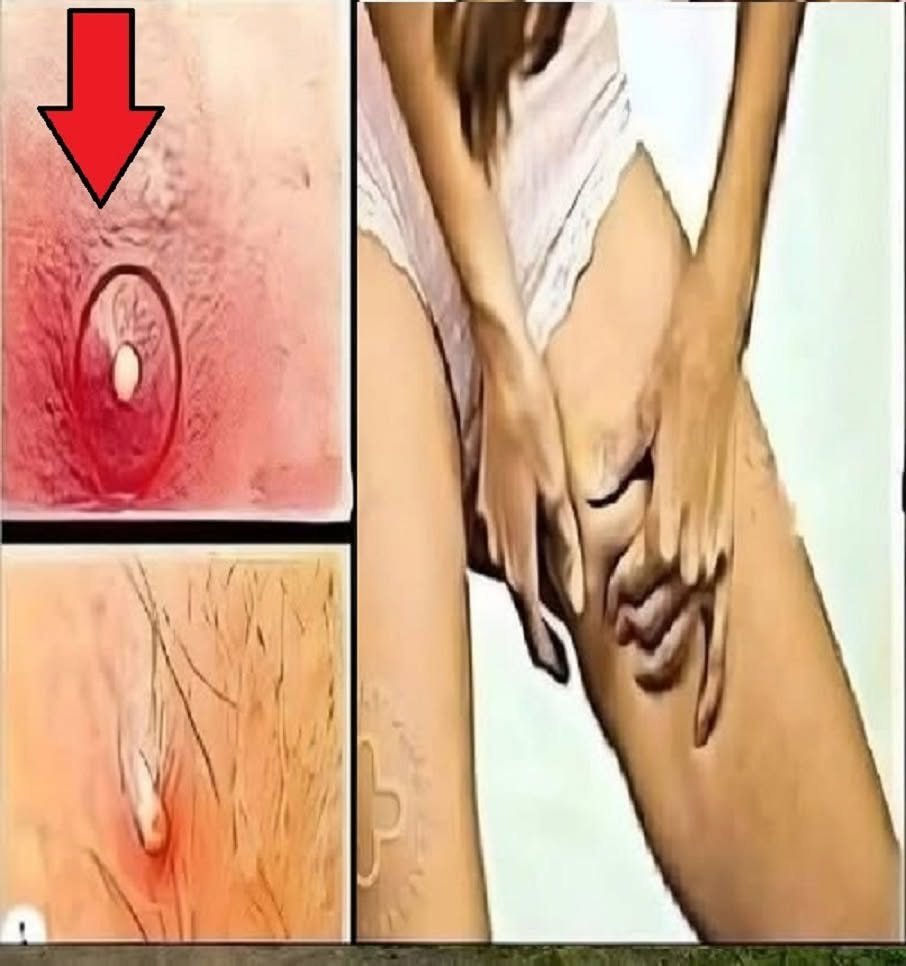
Title: Groin Skin Irritation: Causes, Symptoms, and When to See a Doctor
1. Why Groin Skin Irritation Happens
The groin is naturally warm and prone to moisture and friction, making it a common place for skin irritation. In many cases, the cause is minor and improves with good hygiene and simple self-care.
Common contributing factors include:
- Heat and sweating
- Skin-to-skin friction
- Tight or non-breathable clothing
- Shaving or other hair removal
- Irritation from soaps, detergents, or skincare products
- Fungal or bacterial infections
2. Common Causes
Ingrown Hairs
An ingrown hair develops when a hair grows back into the skin instead of outward.
Symptoms:
- Small red or pink bump
- Mild tenderness
- Itching
- Sometimes a visible trapped hair
Self-care:
- Apply a warm compress.
- Avoid shaving until the area heals.
- Do not squeeze or pick at the bump.
Folliculitis
Folliculitis is inflammation of hair follicles, often caused by friction, shaving, or infection.
Symptoms:
- Small red bumps or pimples
- Itching or burning
- Mild soreness
Self-care:
- Keep the area clean and dry.
- Wear loose-fitting clothing.
- Avoid further irritation from shaving.
Jock Itch (Tinea Cruris)
A common fungal infection that affects warm, moist skin.
Symptoms:
- Itchy red rash
- Burning sensation
- Flaking or peeling skin
- Rash that may spread outward
Self-care:
- Keep the area dry.
- Change out of sweaty clothing promptly.
- Over-the-counter antifungal creams may help. If symptoms persist or worsen, consult a healthcare provider.
Contact Dermatitis
Skin irritation caused by contact with an irritant or allergen.
Possible triggers:
- Soaps
- Laundry detergents
- Fragrances
- Lotions
- Certain fabrics
Symptoms:
- Redness
- Itching
- Dry or scaly skin
- Mild swelling
Self-care:
- Stop using the suspected product.
- Choose fragrance-free, gentle skincare products.
- Wear soft, breathable clothing.
Intertrigo
A rash that develops where skin rubs together, especially in moist skin folds.
Symptoms:
- Redness
- Burning
- Irritation
- Moist or inflamed skin
Self-care:
- Keep the area clean and dry.
- Reduce friction.
- Wear moisture-wicking fabrics.
3. Common Symptoms
Depending on the cause, you may notice:
- Itching
- Redness
- Burning
- Rash
- Dry or flaky skin
- Small bumps
- Mild swelling
- Tenderness
Many cases improve within several days to two weeks with appropriate care.
4. Tips to Help Prevent Groin Irritation
Healthy habits can reduce the risk of future irritation:
- Wash the area daily and dry thoroughly.
- Wear loose, breathable cotton underwear.
- Change out of sweaty clothing as soon as possible.
- Avoid sharing towels or personal grooming items.
- Use fragrance-free soaps and detergents if you have sensitive skin.
- Shave carefully with a clean razor, and avoid shaving irritated skin.
5. When to See a Healthcare Provider
Arrange a medical evaluation if:
- Symptoms last longer than two weeks.
- The rash continues to spread.
- You develop severe pain or significant swelling.
- Pus or drainage appears.
- You have fever or feel generally unwell.
- The irritation keeps returning despite good self-care.
- You have diabetes or a weakened immune system and develop a groin rash.
A healthcare professional can determine the underlying cause and recommend appropriate treatment.
6. Final Note
Groin skin irritation is common and is often caused by friction, moisture, shaving, or minor skin infections. Most cases improve with good hygiene, reducing friction, and appropriate self-care. If symptoms are severe, persistent, or recurrent, seek evaluation from a healthcare provider for an accurate diagnosis and treatment plan.
This article is for general educational purposes only and is not a substitute for professional medical advice, diagnosis, or treatment.