This Is Why You Should Always Sleep on Your Left Side – 7 Potential Health Benefits
This Is Why You Should Always Sleep on Your Left Side – 7 Potential Health Benefits
Have you ever wondered whether the position you sleep in could affect your health? Most people choose their sleeping position based on comfort, without realising that body position can sometimes influence digestion, breathing and circulation.
One sleeping position that receives considerable attention is sleeping on the left side.
From reducing acid reflux to improving comfort during pregnancy, left-side sleeping may offer several benefits for certain people. However, it is not necessarily the healthiest position for everyone, and there is no medical rule that says you must always sleep on your left side.
So, what actually happens when you sleep on your left side? Let’s explore seven potential benefits and what medical research tells us.
1. It May Help Reduce Acid Reflux and Heartburn
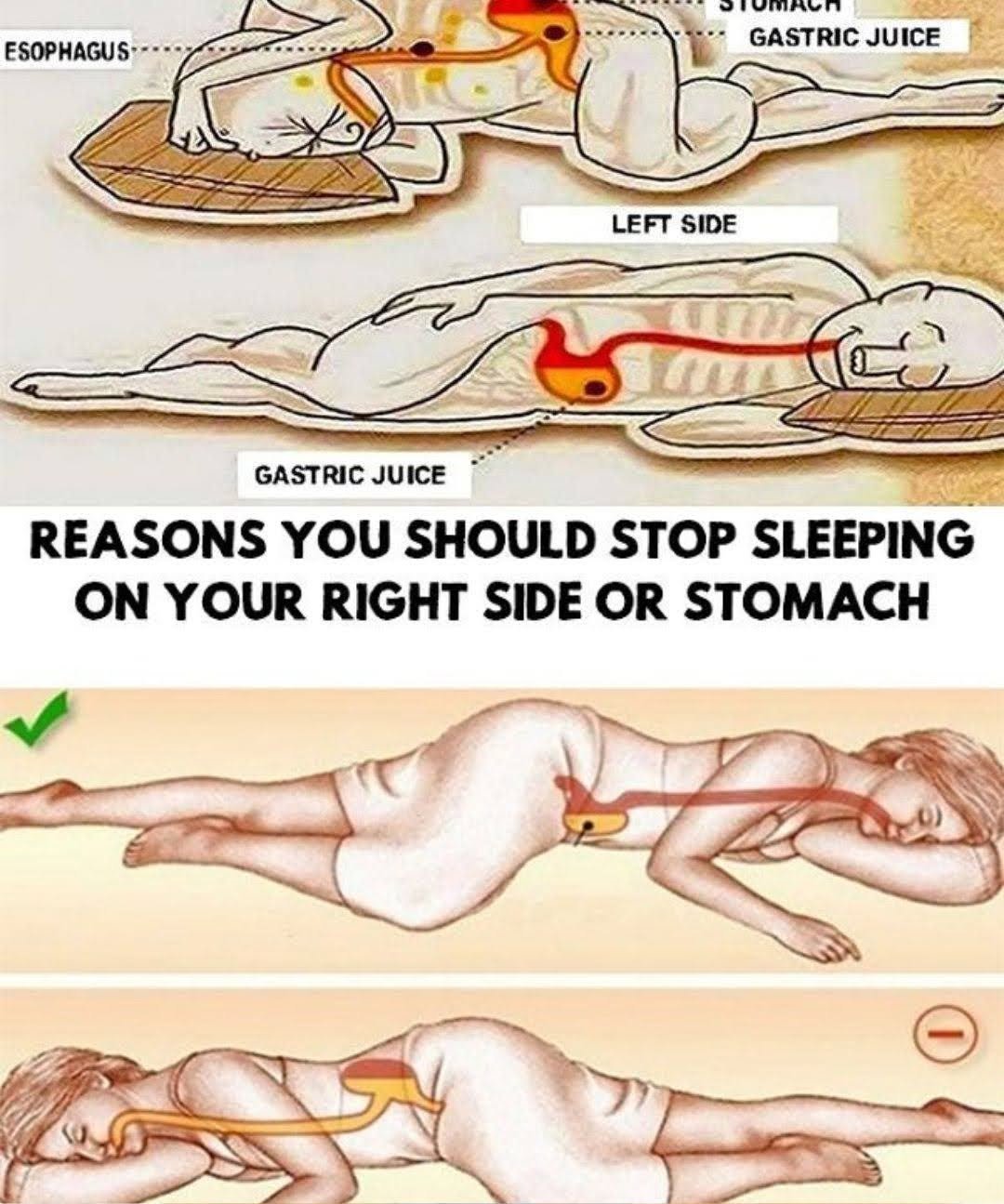
One of the best-known potential benefits of sleeping on your left side is improved comfort for people who experience acid reflux.
Acid reflux occurs when stomach contents move backwards into the oesophagus, sometimes causing a burning sensation in the chest or throat.
The position of the stomach and its connection to the oesophagus may make left-side sleeping helpful.
Research suggests that sleeping on the left side can reduce nighttime acid exposure and help stomach contents clear from the oesophagus more quickly compared with sleeping on the right side.
What should you do?
If you regularly experience nighttime heartburn, try sleeping on your left side with your upper body slightly elevated.
Avoid eating large meals immediately before bedtime.
2. It May Support Better Digestion
Your digestive system continues working while you sleep. Body position can influence how stomach contents move and how comfortable you feel after eating.
For some people, left-side sleeping may help reduce symptoms associated with acid reflux and nighttime digestive discomfort.
However, there is limited evidence that sleeping on the left side directly improves bowel movements, detoxifies the body or speeds up digestion.
What should you do?
Maintain regular meal times, eat a balanced diet rich in fibre and avoid lying down immediately after large meals.
3. It Can Be Beneficial During Pregnancy
Sleeping position becomes particularly important during pregnancy.
As pregnancy progresses, sleeping comfortably can become more difficult because of changes in body weight, abdominal size and circulation.
Side sleeping is generally recommended during later pregnancy. Sleeping on either side is acceptable, although the left side is often suggested because it may reduce pressure on major blood vessels and can be comfortable for some pregnant women.
It is particularly important to avoid going to sleep flat on your back after 28 weeks of pregnancy.
What should you do?
Try placing a pillow between your knees and another under your abdomen for additional support.
Remember that sleeping on the right side is also acceptable during pregnancy. You do not need to panic if you wake up on your back; simply turn onto your side again.
4. It May Help Some People With Nighttime Breathing Problems
Sleeping position can influence breathing, particularly in people who snore or experience obstructive sleep apnoea.
For some individuals, sleeping on their side rather than their back may help keep the airway more open.
This can reduce snoring and, in certain people, improve sleep-related breathing problems.
However, the benefits are related to side sleeping generally, not exclusively to the left side.
What should you do?
If you regularly snore loudly, wake up gasping for air or feel excessively tired during the day, speak with a healthcare professional.
Sleep apnoea may require proper diagnosis and treatment rather than simply changing sleeping positions.
5. It May Improve Comfort for People With Certain Digestive Conditions
Some people experience abdominal discomfort when lying in particular positions.
Left-side sleeping may be more comfortable for individuals who experience nighttime reflux or certain digestive symptoms.
However, it is important not to confuse temporary comfort with a proven improvement in digestive organ function.
There is no strong clinical evidence that left-side sleeping prevents constipation, cures intestinal disorders or removes toxins from the body.
What should you do?
Pay attention to how different sleeping positions affect your symptoms. If you regularly experience abdominal pain, bloating or changes in bowel habits, seek medical advice.
6. It May Be More Comfortable for Some People With Heart Failure
People sometimes hear that sleeping on the left side improves heart health. This claim needs some clarification.
Sleeping position does not prevent heart disease or directly strengthen the heart.
In fact, people with certain heart conditions may find lying on their left side uncomfortable because they become more aware of their heartbeat or experience breathlessness.
Other people may find side sleeping perfectly comfortable.
For individuals with heart failure, the best sleeping position depends on their symptoms and medical condition.
What should you do?
If you experience breathlessness when lying down, waking up gasping or needing several pillows to sleep comfortably, consult your doctor. These symptoms can indicate an underlying heart or lung problem.
7. It May Help You Find a More Comfortable Sleeping Position
Sometimes, the biggest benefit of left-side sleeping is simply improved comfort.
A suitable sleeping position can help reduce pressure on certain joints and make it easier to maintain a comfortable posture throughout the night.
However, side sleeping can also create pressure on the shoulders and hips, particularly if your mattress or pillow does not provide adequate support.
What should you do?
For a more comfortable side-sleeping position:
- Use a pillow that keeps your neck aligned with your spine.
- Place a pillow between your knees.
- Avoid twisting your upper body.
- Choose a mattress that provides suitable support.
- Change sides if you experience discomfort.
The goal is to find a position that allows you to sleep comfortably and wake up feeling rested.
Is Sleeping on Your Left Side Better Than Your Right Side?
The answer depends on your health and individual needs.
| Sleeping position | Potential benefits |
|---|---|
| Left side | May help reduce nighttime acid reflux |
| Right side | Can be comfortable and is generally safe for most people |
| Back sleeping | May be comfortable but can worsen snoring and sleep apnoea in some people |
| Stomach sleeping | May reduce snoring for some, but can strain the neck and back |
For people with acid reflux, left-side sleeping may offer an advantage over right-side sleeping.
For most healthy adults, however, there is no need to force yourself to sleep on one particular side.
Who Should Be Careful About Left-Side Sleeping?
Although left-side sleeping is generally safe, it may not be comfortable for everyone.
You may prefer another position if you experience:
- Shoulder or hip pain when lying on your left side.
- Discomfort associated with certain heart conditions.
- Pain following surgery or an injury.
- Difficulty breathing in a particular position.
If a sleeping position causes persistent pain or breathlessness, discuss it with your healthcare professional.
Final Thoughts
Sleeping on your left side may offer meaningful benefits, particularly for people who experience acid reflux or are pregnant.
It may also help some people find a more comfortable sleeping position and reduce certain nighttime symptoms.
However, the idea that everyone must sleep on their left side is misleading. Your ideal sleeping position depends on your health, comfort and individual circumstances.
The most important thing is to get enough quality sleep, maintain a comfortable sleeping posture and pay attention to symptoms that may require medical attention.
A good night’s sleep is about more than choosing the left or right side of the bed.
Medical Disclaimer: This article is for general educational purposes only and does not replace professional medical advice, diagnosis or treatment. Pregnant women and individuals with heart, lung or digestive conditions should discuss persistent symptoms and sleeping-position concerns with their healthcare professionals.