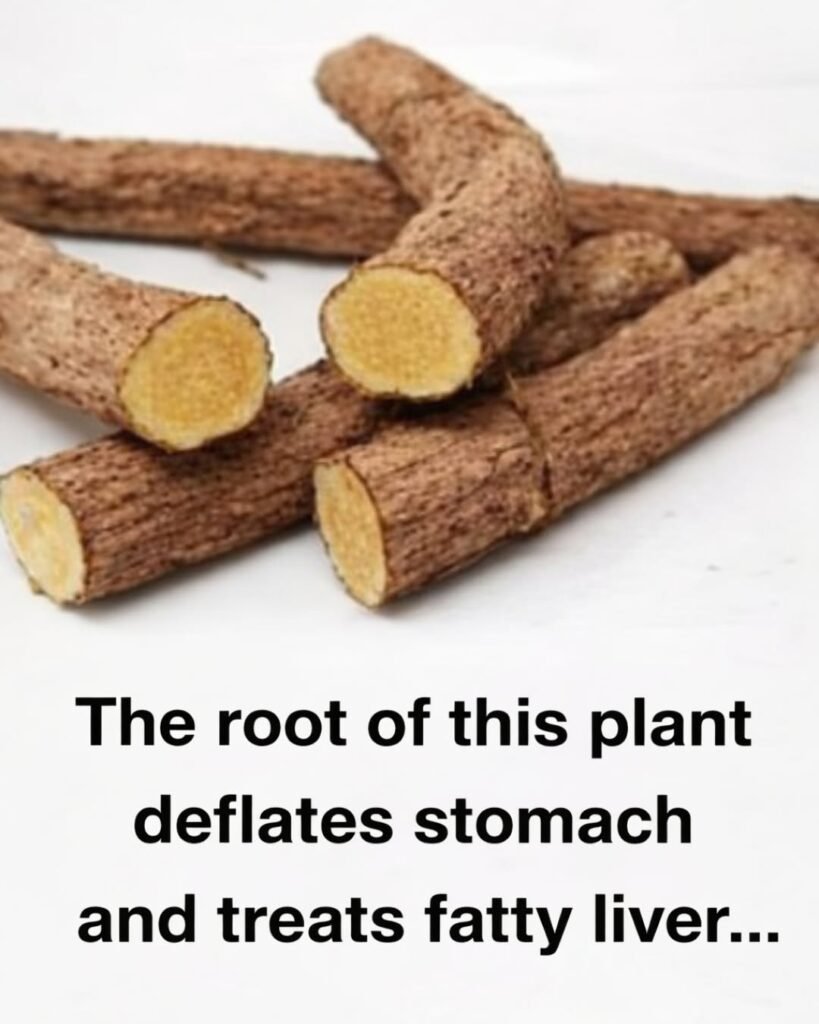
The Root That Soothes Your Stomach and Supports Liver Health Naturally
Digestive discomfort and liver health are common concerns, especially as we age. While no herbal remedy can replace a healthy lifestyle or medical treatment, some traditional plants have been used for centuries to support digestive wellness. One of the most well-known is licorice root (Glycyrrhiza glabra).
Rich in natural plant compounds, licorice root has long been valued in traditional herbal medicine for its potential to help soothe the digestive tract and support normal liver function. Here’s what current research and traditional use suggest.
What Is Licorice Root?
Licorice root comes from the Glycyrrhiza glabra plant, native to parts of Europe, Asia, and the Middle East. Although many people recognize its sweet flavor in candies and herbal teas, the root itself contains naturally occurring compounds, including:
- Glycyrrhizin
- Flavonoids
- Saponins
- Antioxidants
These bioactive compounds have been studied for their anti-inflammatory and antioxidant properties.
1. May Support Healthy Liver Function
The liver performs hundreds of essential tasks, including filtering waste products, processing nutrients, and supporting metabolism.
Some laboratory and clinical studies suggest that certain compounds found in licorice root may help:
- Support normal liver function
- Reduce oxidative stress
- Promote healthy inflammatory responses
- Protect liver cells from certain types of damage
However, more large-scale human studies are needed before firm conclusions can be made.
2. May Help Soothe the Stomach
One of licorice root’s most recognized traditional uses is digestive support.
Some evidence suggests it may help:
- Calm occasional stomach irritation
- Support the stomach’s protective lining
- Promote digestive comfort
- Reduce occasional heartburn symptoms
A special form called deglycyrrhizinated licorice (DGL) is commonly used in supplements because it removes most of the glycyrrhizin while retaining many of the digestive benefits.
3. Supports Healthy Digestion
Licorice root has traditionally been used to encourage healthy digestion by:
- Supporting normal bile production
- Promoting smoother digestion
- Helping relieve occasional bloating
- Supporting overall gastrointestinal comfort
When combined with a balanced diet rich in fiber, these effects may contribute to improved digestive wellness.
4. Rich in Natural Antioxidants
Licorice root contains antioxidants that help protect cells from oxidative stress caused by free radicals.
Antioxidants play an important role in maintaining overall health and supporting healthy aging.
5. May Help Support the Immune System
Traditional herbal medicine has long used licorice root during seasonal illnesses.
Research suggests some compounds may have antimicrobial and immune-supporting properties, although they should not replace standard medical treatments.
How to Use Licorice Root
Licorice Tea
One of the easiest ways to enjoy licorice root is as an herbal tea.
Directions:
- Add 1 teaspoon of dried licorice root to a cup of water.
- Simmer for 10–15 minutes.
- Strain before drinking.
- Enjoy in moderation.
Supplements
Licorice root is also available as:
- Capsules
- Powders
- Liquid extracts
- DGL chewable tablets
Always follow the manufacturer’s instructions and consult a healthcare professional before beginning any supplement.
Safety Precautions
Although licorice root offers potential health benefits, excessive intake may cause side effects.
High amounts of glycyrrhizin may:
- Increase blood pressure
- Cause fluid retention
- Lower potassium levels
- Interact with certain medications
People with the following conditions should seek medical advice before using licorice root:
- High blood pressure
- Heart disease
- Kidney disease
- Liver disease
- Pregnancy
- Diabetes
If you’re taking medications, especially for blood pressure or heart conditions, consult your healthcare provider before using licorice supplements.
Other Herbs That Support Digestive and Liver Health
Several herbs are commonly used alongside licorice root in traditional wellness practices.
Milk Thistle
Contains silymarin, an antioxidant studied for its potential to support liver health.
Dandelion Root
Traditionally used to support bile production and healthy digestion.
Turmeric
Rich in curcumin, a compound with anti-inflammatory properties that may support overall wellness.
Ginger
Well known for helping relieve occasional nausea and supporting digestive comfort.
Healthy Habits That Complement Herbal Remedies
Herbs work best as part of an overall healthy lifestyle.
Consider these habits to support your liver and digestive system:
- Eat plenty of fruits and vegetables.
- Choose whole grains and lean proteins.
- Stay well hydrated.
- Limit alcohol consumption.
- Exercise regularly.
- Maintain a healthy weight.
- Get enough sleep.
Frequently Asked Questions
Can licorice root detox the liver?
Licorice root does not “detox” the liver. However, some research suggests it may help support normal liver function through its antioxidant and anti-inflammatory properties.
Is licorice root safe every day?
Small amounts in foods or occasional tea are generally considered safe for most healthy adults. Long-term or high-dose use should only be done under medical supervision.
What’s the difference between licorice candy and licorice root?
Many commercial “licorice” candies contain artificial flavoring and little or no real licorice root. Herbal licorice products use extracts from the actual plant.
Final Thoughts
Licorice root has been used in traditional medicine for centuries to support digestive comfort and overall wellness. Modern research suggests it may offer benefits for stomach health and liver function, but it is not a cure or treatment for liver disease or digestive disorders.
When used responsibly—and combined with a healthy diet, regular exercise, and medical guidance when needed—licorice root can be a valuable addition to a balanced wellness routine.
Disclaimer: This article is for educational purposes only and should not be considered medical advice. Always consult a qualified healthcare professional before using herbal supplements, especially if you have a medical condition, are pregnant, or take prescription medications.