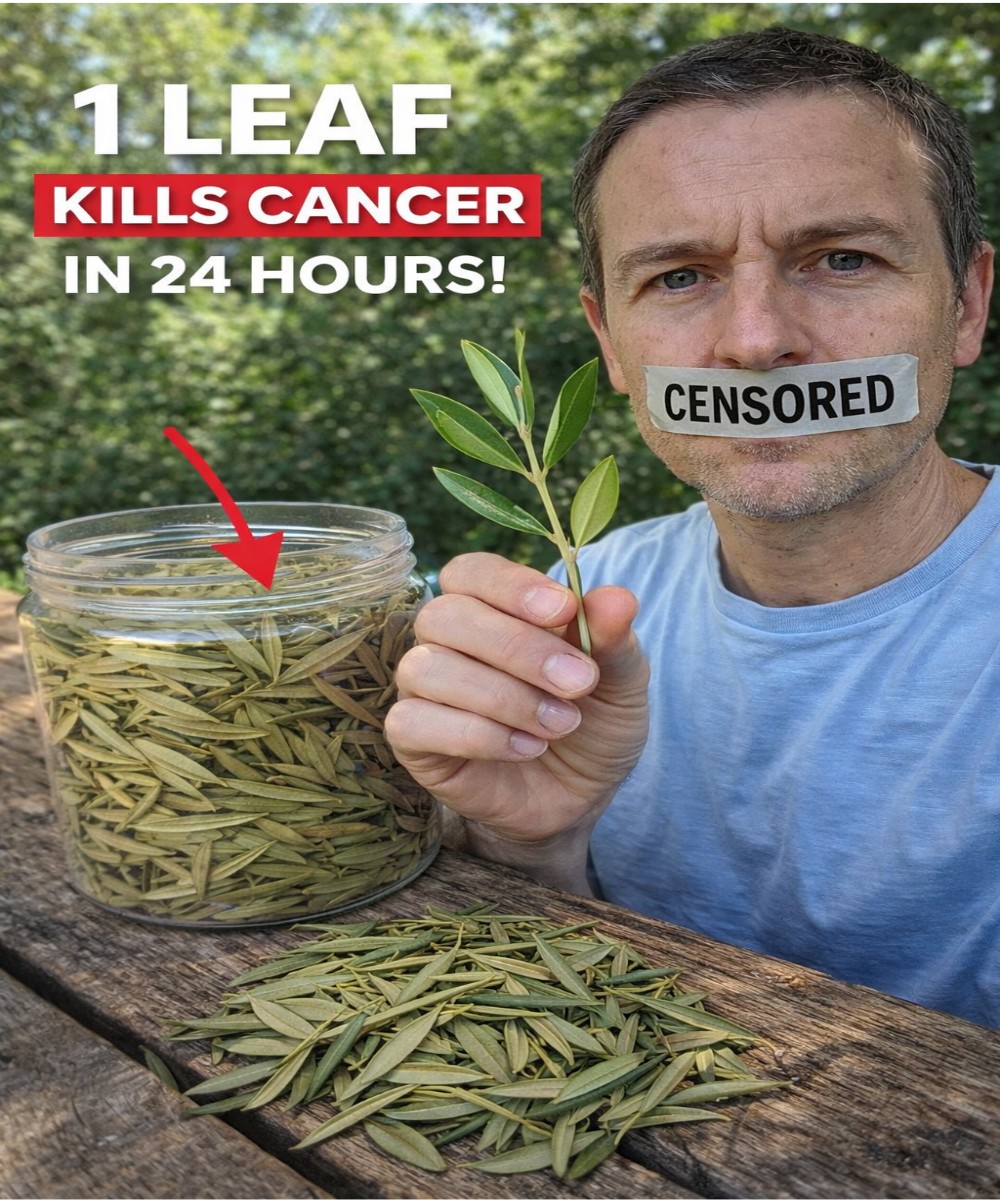
Nearly 2 million new cancer cases are diagnosed in the United States each year, and that number continues to rise steadily as many of these cases are linked to everyday lifestyle factors—things we eat, breathe, and do without a second thought—that quietly create an environment where abnormal cells can thrive. The frustrating part is that much of this is within our control, yet it often goes unnoticed until it’s too late. But here’s the good news: emerging research points to simple, natural habits and plants that may help make your body less hospitable to those abnormal cells, with one humble tropical leaf in particular catching attention in lab studies for its selective compounds—while 14 other evidence-based strategies round out a powerful approach. Keep reading because the science that mainstream conversations often overlook could change how you think about everyday wellness.
Why Cancer Rates Keep Climbing—and What Really Fuels It
Cancer now claims nearly 10 million lives worldwide annually. Major studies, including those from the World Health Organization, show that diet and lifestyle play a far bigger role than many realize.
One key insight comes from Nobel Prize winner Otto Warburg back in 1931: cancer cells prefer to metabolize glucose through fermentation—even when oxygen is available—consuming up to 15 times more sugar than normal cells. This “Warburg effect” explains why high blood sugar levels can create favorable conditions for abnormal growth.
Add chronic acidity, low oxygen, excess animal protein, and hidden toxins like aflatoxins in certain foods, and you have a perfect storm. The result is an internal environment that normal cells tolerate but abnormal ones can exploit.
You’re probably wondering: how can everyday choices shift this balance in your favor?
15 Natural Strategies to Help Create a Healthier Cellular Environment
These strategies are drawn from published research and expert insights. They focus on supporting overall wellness and making your body stronger—not replacing medical care. But here’s what makes them powerful: small, consistent changes can add up faster than you think.
Strategy 1: Reduce Excess Glucose Intake
Cancer cells rely heavily on sugar as fuel. Cutting refined carbs and sugary foods may help limit their primary energy source. Think swapping soda for sparkling water with lemon or choosing berries over candy. Research consistently links lower glycemic diets to better metabolic health.
Strategy 2: Increase Cellular Oxygen Through Movement and Breathing
Regular exercise and deep-breathing practices boost oxygen delivery throughout the body. Since healthy cells thrive in oxygen-rich conditions, this simple habit supports natural energy production at the cellular level. Even a 20-minute daily walk can make a noticeable difference.
Strategy 3: Promote an Alkaline-Friendly Diet
Processed foods and high animal protein intake can increase acidity over time. Choosing more vegetables, greens, and lemon water may help shift toward a balanced pH environment. The beauty is that these swaps taste great and leave you feeling lighter.
Strategy 4: Moderate Animal Protein Based on Population Studies
Large-scale observations like The China Study noted lower cancer rates in populations eating mostly plant-based proteins. Swapping some meat for beans, nuts, and seeds is a practical step many find sustainable and satisfying.
Strategy 5: Prioritize Whole Plant Foods Daily
Populations with high intake of vegetables, fruits, and whole grains consistently show lower cancer risk in epidemiological studies. But here’s the part most people miss: it’s not about perfection—it’s about making plants the star of most meals.
Quick Tip List for Plant-Powered Days
- Start breakfast with a handful of spinach in your smoothie
- Add colorful veggies to every lunch and dinner plate
- Snack on apples, carrots, or a small handful of nuts instead of chips
Strategy 6: Minimize Exposure to Common Toxins
Aflatoxins—mold toxins sometimes found in peanuts, corn, and stored grains—have been linked to health risks in research. Opting for fresh, properly stored foods and adding detox-supporting greens can help reduce daily exposure without major effort.
Strategy 7: Support Immune Function Through Quality Sleep and Stress Reduction
A strong immune system is your body’s first line of defense against abnormal cells. Getting 7–9 hours of sleep and managing stress through mindfulness or gentle walks enhances natural surveillance. The truth is, when you rest better, your body works smarter.
Strategy 8: Add Wheatgrass for Chlorophyll and Oxygenation
Wheatgrass is rich in chlorophyll, structurally similar to hemoglobin. Small studies suggest it may support detoxification and oxygenation. A single daily shot mixed in water or a smoothie is an easy way to start.
Strategy 9: Include Moringa for Nutrient Density
Known as the “miracle tree,” moringa leaves pack vitamins, minerals, and antioxidants. Research highlights its anti-inflammatory properties that may support overall cellular health. One teaspoon of powder in tea or soup delivers a serious nutrient boost.
Strategy 10: Stay Active for Better Circulation
Daily movement—walking, yoga, or light strength training—improves blood flow and oxygen delivery throughout the body. But wait, there’s more: better circulation also helps your body clear waste more efficiently.
Even More Ways to Support Your Body’s Natural Balance
Strategy 11: Get Sensible Sunlight and Stay Well-Hydrated
Moderate sun exposure supports vitamin D production, which dozens of studies link to better immune regulation. Proper hydration with mineral-rich water also helps maintain pH balance. Aim for 10–15 minutes of morning sunlight and sip throughout the day.
Strategy 12: Limit Processed and Refined Foods
These often spike blood sugar and contain additives that burden the body. Choosing whole foods instead removes a major fuel source for abnormal cells. Here’s the kicker: your taste buds adapt quickly, and whole foods start tasting even better.
Strategy 13: The Overlooked Leaf—Soursop (Graviola)
Here’s the leaf you’ve been waiting for. Lab and animal studies on soursop leaves have identified compounds called annonaceous acetogenins that appear selectively toxic to abnormal cells while sparing healthy ones. While human evidence is still preliminary, the results have sparked global interest in this tropical plant.
Strategy 14: Combine Nutrient-Rich Plants for Greater Effect
Using soursop, moringa, and wheatgrass together may offer synergistic benefits—greater antioxidant coverage, detoxification support, and nutrient density. Many people blend them into a daily tea or smoothie for convenience.
Strategy 15: Trust Your Body’s Innate Healing Capacity
When given the right conditions—low sugar, high oxygen, balanced pH, and strong immunity—your body is remarkably resilient. Consistency with these habits builds long-term wellness you can actually feel.
Cancer-Promoting vs. Cancer-Unfriendly Habits
| Common Habits That May Feed Risk | Healthier Alternatives That May Help |
|---|---|
| High sugar & refined carbs | Low-glycemic whole plants |
| Heavy animal protein | Legumes, nuts, seeds |
| Processed & fast foods | Fresh vegetables & greens |
| Sedentary lifestyle | Daily movement & deep breathing |
| Chronic stress & poor sleep | Restorative sleep & relaxation |
Simple Action Plan to Get Started This Week
You don’t need to overhaul everything overnight. Start small and build momentum.
| Week | Focus | Easy First Step |
|---|---|---|
| 1 | Cut refined sugar | Replace soda with herbal tea or lemon water |
| 2 | Add greens daily | Start morning with a wheatgrass shot or green smoothie |
| 3 | Try moringa | Add 1 tsp moringa powder to tea or soup |
| 4 | Experiment with soursop | Brew mild soursop leaf tea (10–15 minutes) |
| Ongoing | Combine & stay consistent | Mix all three leaves + daily walks |
Final Thoughts: Small Changes, Meaningful Impact
You’ve just explored 15 research-inspired ways to support your body’s natural defenses—from reducing glucose and boosting oxygen to embracing powerful plants like soursop, moringa, and wheatgrass. None of these replace medical treatment, but together they may help create an internal environment where healthy cells thrive and abnormal ones struggle.
Start with one change today. Many people notice more stable energy and better overall vitality within weeks. The best part? These habits are simple, affordable, and completely under your control.
Frequently Asked Questions
1. Are soursop leaves proven to treat cancer?
No. While lab studies show promising selective effects on cancer cells, human clinical trials are limited. Always consult your doctor before trying any new herb.
2. Can these natural strategies replace conventional cancer treatment?
Absolutely not. These are supportive lifestyle habits only. Medical treatment remains essential for anyone with a diagnosed condition.
3. Is it safe to drink soursop tea daily?
In moderation, most people tolerate it well, but long-term high doses may have risks. Start low and check with a healthcare professional, especially if you take medications.
Disclaimer: This article is for informational purposes only and is not medical advice. Natural approaches may support general wellness, but research is often preliminary. Always consult your qualified healthcare provider before making dietary or lifestyle changes, especially if you have a medical condition or take medications.