The Hidden Power of Grass Clippings: Turn Yard Waste into Free Fertilizer
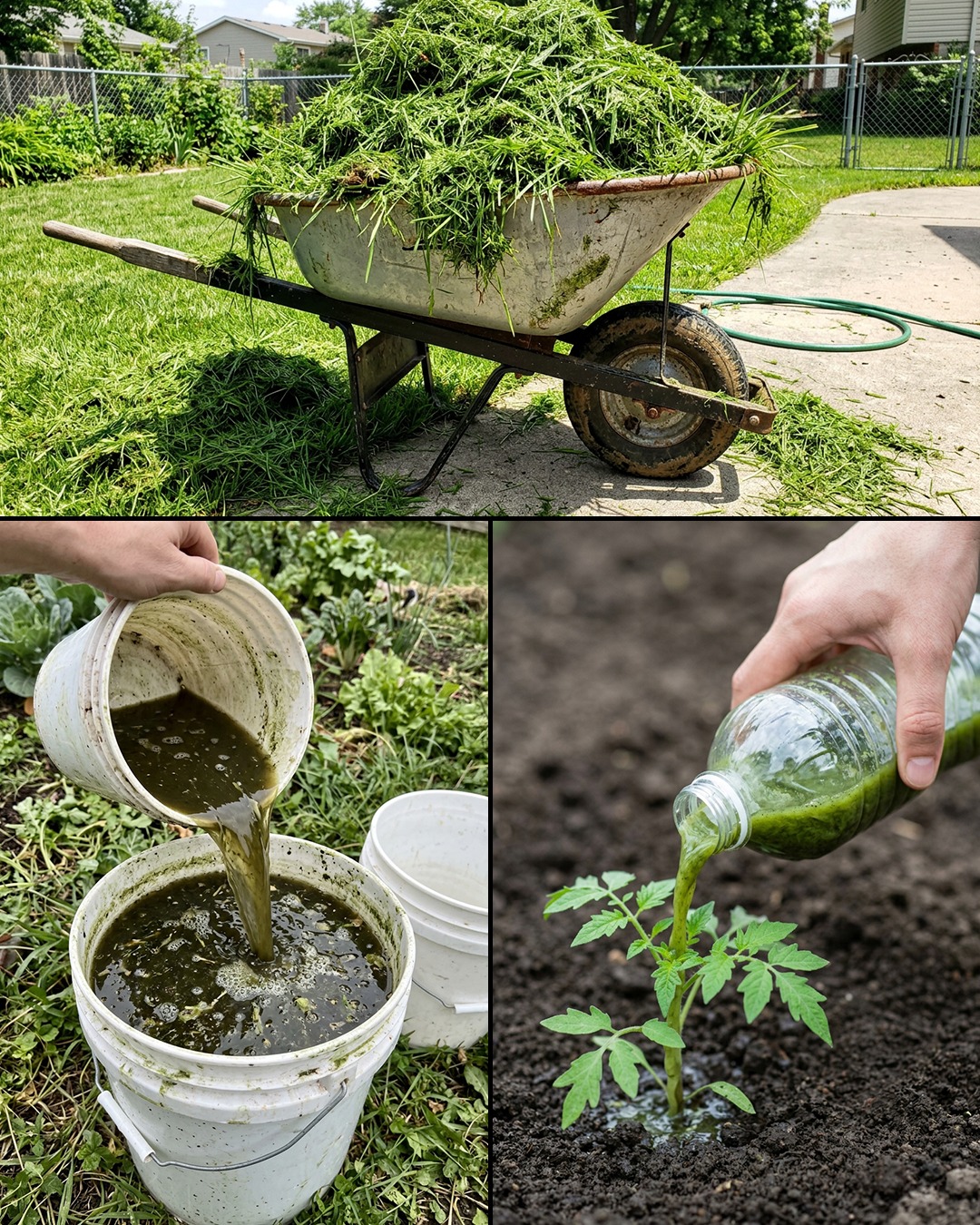
Every time you mow your lawn, you are producing one of the most valuable resources for your garden. Many people make the mistake of bagging up grass clippings, throwing them in the trash, or even burning them. Doing this means you are throwing away free nutrients. Grass clippings are packed with nitrogen and other vital elements that plants need to thrive.
By learning how to use this ordinary yard material at home, you can stop buying expensive synthetic fertilizers. You will build healthier soil, boost your vegetable harvest, and help your flower beds flourish. Here is how you can unlock the power of grass clippings in your own yard.
1. Create a Powerful Liquid Fertilizer
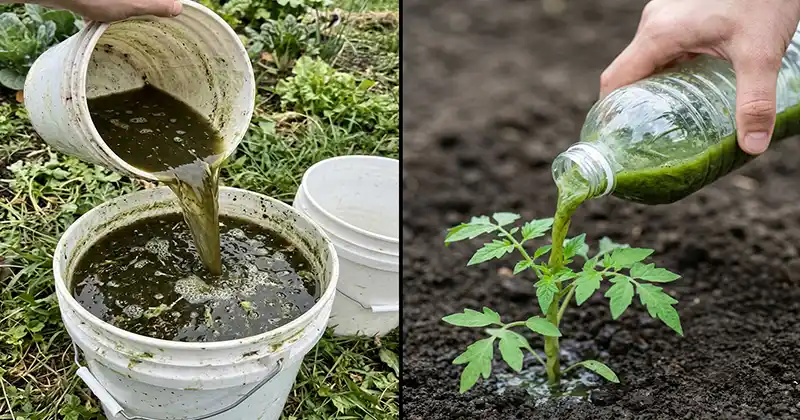
Turning fresh grass into a liquid feed gives your plants a massive boost of pure nitrogen. This homemade fertilizer is incredibly easy to make and costs absolutely nothing.
- Collect the clippings: Gather a good amount of green grass right after mowing.
- Pack a bucket: Fill a large bucket all the way to the top with the fresh grass.
- Add rainwater: Pour water over the grass until it is completely submerged. Rainwater is always better for plants than chlorinated tap water.
- Let it ferment: Leave the bucket out in the hot sun for about ten days.
- Stir regularly: Give the mixture a good stir every few days to help it break down.
- Watch for the signs: You will know it is ready when the liquid turns a dark color, stops foaming, and gives off a strong smell.
- Dilute before using: This liquid is very strong. Mix one part of the fertilizer with ten parts of normal water before feeding your garden plants.
- Safety warning: Never use grass to make vegetable fertilizer if the lawn was recently treated with chemical weed killers.
2. Use Grass as a Protective Garden Mulch
Mulching with grass is a highly effective way to protect your plants. It saves you from hours of backbreaking digging and weeding while keeping the soil in great condition.
- Fresh grass for surface crops: Place newly cut green grass directly around crops like onions. It quickly breaks down, feeds the plants with nitrogen, and holds in essential moisture.
- Dried grass for root crops: For root vegetables like potatoes, dried grass or hay is a much better choice. It provides an airy layer of protection that keeps the soil cool and stops the dirt from compacting.
- Avoid weed seeds: Make absolutely sure the grass you use for mulching does not contain any mature seeds. This ensures your mulch layer blocks weeds instead of accidentally planting them.
3. Build High-Quality Compost
If you have too much grass for liquid feed or mulching, a compost pile is the perfect solution. However, dumping a massive pile of wet grass all at once will create a slimy, terrible-smelling mess. Balance is the key.
- Know your colors: Grass is considered a “green” material because it is rich in nitrogen.
- The golden ratio: For every one part of green grass, you must add two parts of “brown” material to keep the pile healthy.
- Choose the right browns: Excellent brown materials include dry leaves, shredded cardboard, or small twigs.
- Create air pockets: Twigs are especially useful because they keep the pile fluffy. This creates small air pockets, allowing the entire compost pile to breathe and break down into rich soil.
4. Feed the Lawn Directly
Sometimes, the absolute best place for grass clippings is exactly where they fell. You do not always need to rake them up.
- Leave short clippings: If the ground is flat and you are only cutting a small amount of growth, let the clippings fall back onto the turf.
- Natural decomposition: Short clippings break down very rapidly.
- Free lawn food: As they decompose, they act as a natural, invisible fertilizer for that very same lawn.
5. Harvest the Mower Scrapings
When you clean your lawnmower after cutting thick grass, you will often find a thick layer of material stuck to the underside of the mower deck.
- Collect the paste: This dark, sticky material is a very fine mixture of crushed grass and topsoil.
- Treat it like manure: When scraped off, this paste acts almost exactly like rich animal manure.
- Instant plant energy: It is pure energy for your plants. Spread it immediately around the base of your flowers or shrubs for a quick dose of nutrients.
Nature does not create trash; it only cycles matter. By using these simple methods, you can recycle your yard waste into a powerful tool for your garden. The next time you cut the grass, remember that you are actually harvesting free, valuable plant food.